

| Medically Reviewed By:Medically reviewed by Barbra Scheirer, PMHNP-BC Psychiatric Mental Health Nurse Practitioner Mighty Mental Health Last medically reviewed: May 2026 |
ADHD medications include stimulants and non-stimulants. Stimulants work quickly for many people, while non-stimulants may take longer but can be effective alternatives.
When someone is diagnosed with Attention-Deficit/Hyperactivity Disorder (ADHD), one of the most common treatment discussions involves medication. Patients and families often ask about stimulant vs non stimulant ADHD medication and which option may be most appropriate for their situation.
Both types of medications are widely used to help manage ADHD symptoms such as inattention, impulsivity, difficulty focusing, disorganization, and hyperactivity. While they share the same goal of improving daily functioning and quality of life, they work differently in the brain, have different timelines for effectiveness, and may be recommended for different patients.
Understanding the differences between stimulant and non-stimulant medications can help patients make informed decisions alongside their healthcare provider. Medication selection is never one-size-fits-all. Factors such as age, medical history, co-occurring mental health conditions, side effects, lifestyle, and treatment goals all play important roles.
What Is ADHD Medication and How Does It Work?
ADHD medication is a treatment designed to help regulate brain functions involved in attention, self-control, focus, motivation, and executive functioning.
Research has shown that people with ADHD may have differences in how certain neurotransmitters, particularly dopamine and norepinephrine, function within the brain. These chemicals help regulate attention, reward processing, memory, and impulse control.
Why Medication Is Often Recommended
Medication can help:
- Improve concentration and focus
- Reduce impulsive behaviors
- Increase task completion
- Improve organization skills
- Enhance academic or work performance
- Support emotional regulation
Medication is often most effective when combined with therapy, behavioral strategies, healthy routines, and ongoing psychiatric care.

What Are Stimulant ADHD Medications?
Stimulant medications are the most commonly prescribed treatment for ADHD and have been studied extensively for decades.
These medications work by increasing the availability of dopamine and norepinephrine in specific areas of the brain responsible for attention and self-regulation. By improving communication between brain cells, stimulants can significantly reduce ADHD symptoms for many patients.
Why Stimulants Are Commonly Prescribed
Stimulants are often considered first-line treatment because they:
- Work quickly
- Have a high success rate
- Have extensive research supporting their effectiveness
- Allow providers to adjust dosages relatively easily
Many patients notice improvements in focus, productivity, and impulse control shortly after starting treatment.
Common Types of Stimulant Medications
Stimulant medications generally fall into two categories.
Methylphenidate-Based Medications
Examples include:
- Ritalin
- Concerta
- Metadate
- Daytrana
These medications use methylphenidate as the primary active ingredient.
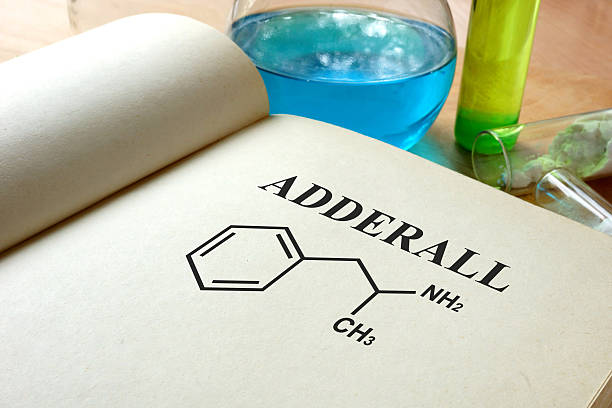
Amphetamine-Based Medications
Examples include:
These medications contain amphetamine compounds that increase neurotransmitter activity.
Each medication comes in different formulations, including immediate-release and extended-release versions. The right choice depends on a patient’s unique needs and daily schedule.
How Quickly Do Stimulants Work?
One major advantage of stimulant medications is their speed.
Many patients notice benefits within 30 to 90 minutes of taking a dose. Immediate-release versions typically begin working quickly and may last several hours. Extended-release formulations are designed to provide symptom control throughout most of the day.
Because stimulants act rapidly, healthcare providers can often evaluate effectiveness and side effects relatively quickly and make dosage adjustments as needed.
This quick response is one reason stimulant medications remain a popular choice when discussing stimulant vs non stimulant ADHD medication options.
What Are Non-Stimulant ADHD Medications?
Non-stimulant medications offer an alternative approach for treating ADHD.
Unlike stimulants, these medications do not primarily increase dopamine activity in the same way. Instead, they affect other neurological pathways that help improve attention, focus, and behavioral regulation over time.
Non-stimulants may be recommended when:
- Stimulants cause significant side effects
- A patient has certain medical conditions
- There is concern about misuse or dependency
- Anxiety symptoms coexist with ADHD
- Previous stimulant treatments were ineffective
For some individuals, non-stimulants provide meaningful symptom improvement with a different side effect profile.
Common Types of Non-Stimulant Medications
Several FDA-approved and commonly prescribed non-stimulant medications are available for ADHD treatment.
Atomoxetine
Atomoxetine (Strattera) works by increasing norepinephrine levels in the brain. It is one of the most frequently prescribed non-stimulant ADHD medications.
Guanfacine
Extended-release guanfacine (Intuniv) can help with attention, impulsivity, and emotional regulation.
Clonidine
Extended-release clonidine (Kapvay) may be used to address hyperactivity, impulsivity, and sleep-related concerns.
Healthcare providers may sometimes recommend other medications based on individual clinical needs and co-occurring conditions.

How Long Do Non-Stimulants Take to Work?
Unlike stimulants, non-stimulants generally require patience.
Many patients begin noticing benefits after several weeks, while full effectiveness may take four to eight weeks or longer.
Why the Delay Happens
Non-stimulants gradually influence brain chemistry rather than producing immediate changes in neurotransmitter activity.
Because of this slower onset, healthcare providers typically encourage patients to continue treatment consistently and attend follow-up appointments before evaluating overall effectiveness.
Although they require more time, non-stimulants can provide stable symptom management for many individuals.
Key Differences Between Stimulant and Non-Stimulant Medications
When comparing stimulant vs non stimulant ADHD medication, several important differences emerge.
Speed of Effect
Stimulants typically work within hours or even minutes.
Non-stimulants often require weeks before full benefits become noticeable.
Neurotransmitter Activity
Stimulants directly increase dopamine and norepinephrine activity.
Non-stimulants primarily influence norepinephrine pathways or other mechanisms.
Treatment Response
Stimulants generally have higher response rates in ADHD treatment.
Non-stimulants remain valuable alternatives when stimulants are not appropriate.
Side Effects
Potential stimulant side effects may include decreased appetite, insomnia, increased heart rate, or nervousness.
Non-stimulants may cause fatigue, dizziness, dry mouth, or stomach discomfort depending on the medication.

Misuse Potential
Stimulants are classified as controlled substances due to potential misuse risks.
Most non-stimulants are not controlled substances.
Who Is Prescribed Stimulant vs Non-Stimulant Medication?
The decision between stimulant and non-stimulant treatment depends on an individual’s medical profile and treatment goals.
Patients Who May Benefit From Stimulants
Stimulants may be appropriate for patients who:
- Need rapid symptom relief
- Have no contraindicating medical conditions
- Respond well to stimulant therapy
- Need strong daytime symptom control
Patients Who May Benefit From Non-Stimulants
Non-stimulants may be considered for patients who:
- Experience problematic stimulant side effects
- Have specific cardiovascular concerns
- Have a history of substance misuse
- Have co-occurring anxiety symptoms
- Prefer a non-controlled medication option
An experienced psychiatric provider can help determine which treatment aligns best with a patient’s needs.

Which ADHD Medication Works Best?
There is no single medication that works best for everyone.
Research consistently shows that stimulant medications help many individuals with ADHD and are often the first treatment considered. However, some patients respond better to non-stimulants, tolerate them more comfortably, or require a combination of approaches.
The Best Medication Is the One That Fits the Individual
Effective treatment depends on:
- Symptom severity
- Age
- Medical history
- Lifestyle
- Side effect tolerance
- Co-occurring mental health conditions
- Personal treatment goals
The most successful ADHD treatment plans are individualized and regularly reviewed with a qualified healthcare professional.
Reach Out Today to Learn How We Can Help
Understanding stimulant vs non stimulant ADHD medication is an important step toward finding effective symptom management. While stimulants often provide rapid results and remain a first-line treatment, non-stimulants can be valuable alternatives for individuals with specific medical needs, side effect concerns, or treatment preferences.
At Mighty Mental Health, we understand that ADHD treatment should never follow a one-size-fits-all approach. Our psychiatry and medication management team works closely with each patient to develop comprehensive care plans that may include medication management, therapy recommendations, lifestyle support, and ongoing monitoring.
Our Psychiatric Nurse Practitioner, Barbra Scheirer, evaluates each patient’s symptoms, treatment history, and goals to determine the most appropriate course of care. Depending on your individual needs, treatment may include prescribing medication, adjusting existing medications, or exploring therapeutic interventions that support long-term success.
Mighty Mental Health proudly serves patients throughout Las Vegas and Summerlin, Nevada. We accept Nevada Medicaid, CareSource, Silver Summit, Health Plan of Nevada, Molina, and Anthem. We also offer convenient Telehealth visits and in-office consultations to make care more accessible.
If you have questions about ADHD treatment options or would like professional guidance regarding stimulant or non-stimulant medications, contact Mighty Mental Health today at 702-479-1600 or reach out through our online contact form to schedule an appointment.

Frequently Asked Questions
What is the main difference between stimulant and non-stimulant ADHD medications?
The primary difference is how they work and how quickly they take effect. Stimulants increase dopamine and norepinephrine activity and often work within hours, while non-stimulants generally take several weeks to produce noticeable results.
Which works better for ADHD: stimulants or non-stimulants?
Stimulants are typically considered the most effective treatment for many individuals with ADHD. However, non-stimulants can be highly effective for patients who cannot tolerate stimulants or have specific medical considerations.
How long does it take for ADHD medication to work?
Stimulant medications often begin working within 30 to 90 minutes. Non-stimulant medications usually require several weeks of consistent use before full benefits are experienced.
Are stimulant ADHD medications addictive?
When prescribed and monitored appropriately by a qualified healthcare provider, stimulant medications can be used safely. However, because they are controlled substances, they carry a potential for misuse and should always be taken exactly as prescribed.
| References: ● American Academy of Pediatrics. Clinical Practice Guideline for the Diagnosis, Evaluation, and Treatment of Attention-Deficit/Hyperactivity Disorder in Children and Adolescents. Pediatrics. ● American Psychiatric Association. Diagnostic and Statistical Manual of Mental Disorders (DSM-5-TR). American Psychiatric Publishing. ● National Institute of Mental Health (NIMH). Attention-Deficit/Hyperactivity Disorder (ADHD). ● Centers for Disease Control and Prevention (CDC). Treatment of ADHD. ● U.S. Food and Drug Administration (FDA). ADHD Medications: Drug Safety Communications and Prescribing Information. ● Wolraich ML, Hagan JF, Allan C, et al. Clinical Practice Guideline for the Diagnosis, Evaluation, and Treatment of ADHD in Children and Adolescents. Pediatrics. |