

Medically reviewed by Barbra Scheirer,
Psychiatric Mental Health Nurse Practitioner at Mighty Mental Health.
Last medically reviewed: November 10, 2025
Supporting a loved one with bipolar disorder involves understanding their symptoms, encouraging professional care, maintaining healthy routines, and offering consistent support.
Supporting someone with bipolar disorder is not always easy, but it can be one of the most meaningful acts of love and care you’ll ever offer. Living in a busy city like Las Vegas, where life often moves at a fast pace, your loved one may face unique stressors that can trigger mood changes or emotional instability. Understanding how to provide consistent, compassionate support can make a significant difference in their recovery and long-term stability.
Bipolar disorder is more than just “mood swings.” It’s a mental health condition that affects energy levels, behavior, and thinking patterns. For those living with it, everyday life can sometimes feel unpredictable or overwhelming. Having supportive people around, especially those who make the effort to learn and understand, can be life-changing.
In Las Vegas and nearby communities such as Summerlin, resources for bipolar support for loved one in Las Vegas are available through trusted mental health providers like Mighty Mental Health, which offers both telehealth and in-office psychiatric care tailored to each individual’s needs.
Bipolar Disorder: What Your Loved One May Be Going Through
Bipolar disorder is characterized by alternating episodes of mania (or hypomania) and depression. These shifts can happen gradually or suddenly and may last for days, weeks, or even months. During manic phases, your loved one may seem unusually energetic, talkative, or euphoric. They might make impulsive decisions, have racing thoughts, or sleep very little. At first, this can seem like a burst of creativity or confidence, but without treatment, mania can lead to exhaustion or serious consequences.
On the other end of the spectrum are depressive episodes. These can bring overwhelming sadness, hopelessness, fatigue, and loss of interest in daily activities. Your loved one might isolate themselves, struggle to concentrate, or express feelings of worthlessness. This emotional rollercoaster is not their choice, it’s part of how bipolar disorder manifests.
It’s also important to note that there are different types of bipolar disorder. Bipolar I Disorder involves severe manic episodes that may require hospitalization, while Bipolar II Disorder includes less intense hypomanic episodes alongside major depression. Cyclothymic Disorder, a milder form, causes chronic mood fluctuations over years.
Understanding these variations can help you recognize what your loved one is facing and why professional help is vital.

Recognizing the Signs and Symptoms of Bipolar Disorder
Bipolar disorder can look different from person to person, and symptoms often depend on the type and stage of the condition. Still, certain signs are common and worth paying attention to if you suspect your loved one is struggling.
During manic or hypomanic phases, you may notice:
- An unusually elevated or irritable mood
- Decreased need for sleep, yet high energy levels
- Fast or pressured speech and jumping between topics
- Impulsive decisions, such as overspending or risky behavior
- Inflated sense of confidence or unrealistic plans
During depressive phases, you may notice:
- Persistent sadness or emptiness
- Low motivation or energy
- Changes in sleep or appetite
- Feelings of guilt, hopelessness, or worthlessness
- Difficulty concentrating or making decisions
Sometimes, these symptoms overlap or occur in “mixed episodes,” where signs of mania and depression happen simultaneously, such as feeling highly anxious but unable to sleep or focus.
Recognizing these symptoms doesn’t mean you have to diagnose your loved one, but it can help you encourage them to seek help sooner rather than later. In Las Vegas, there are many professionals and bipolar support groups who understand the complexity of this condition and can help develop a long-term treatment plan.

Why Support Matters
Emotional support plays a crucial role in helping individuals manage bipolar disorder effectively. Treatment often involves a combination of therapy, medication, and lifestyle changes, but consistent support from loved ones can make a world of difference.
Having someone who listens without judgment helps reduce shame and isolation. When people feel understood, they are more likely to follow through with their treatment plans and open up about what they’re feeling. Your presence can also provide a sense of safety during mood changes, helping them feel grounded even when emotions are unpredictable.
It’s also worth noting that bipolar disorder can sometimes strain relationships. Mood swings can cause misunderstandings or frustration, especially if you don’t know what to expect. But learning more about the condition, attending therapy sessions together, or joining bipolar support groups Las Vegas can strengthen your relationship and foster a deeper sense of empathy on both sides.

Ways to Support a Loved One Living with Bipolar Disorder
There’s no one-size-fits-all approach to offering support, but there are several effective strategies that can help both you and your loved one navigate bipolar disorder together:
1. Educate Yourself
Knowledge is power. Take time to learn about bipolar disorder, its symptoms, and treatment options. Understanding that mood changes are part of the illness, not a reflection of who your loved one is, can help you respond with patience instead of frustration.
2. Communicate Openly and Calmly
Encourage honest communication, especially during stable periods. Ask how you can best support them when symptoms arise. Listening without judgment or trying to “fix” their feelings can be one of the most powerful forms of support.
3. Encourage Professional Help
It’s important to remind your loved one that seeking help isn’t a sign of weakness. Offer to help them research therapy options or attend appointments if they’re nervous. In Las Vegas, there are several compassionate providers, including Mighty Mental Health, that specialize in bipolar treatment and medication management.
4. Set Healthy Boundaries
Supporting someone doesn’t mean sacrificing your own mental health. Setting clear, respectful boundaries ensures both parties feel safe. For example, it’s okay to say, “I’m here for you, but I need a moment to rest before we continue this conversation.”
5. Encourage Healthy Routines
Regular sleep, balanced meals, and daily exercise can significantly stabilize mood swings. Encourage routines that promote structure and consistency, which help manage stress and emotional fluctuations.
6. Be Patient During Mood Changes
Remember that mood shifts are not deliberate. When your loved one seems irritable or withdrawn, try not to take it personally. Instead, offer quiet support and reassurance.
7. Take Care of Yourself Too
Supporting someone with bipolar disorder can be emotionally draining. Consider joining a caregiver support group or seeking counseling for yourself. You can’t pour from an empty cup, your well-being matters, too.
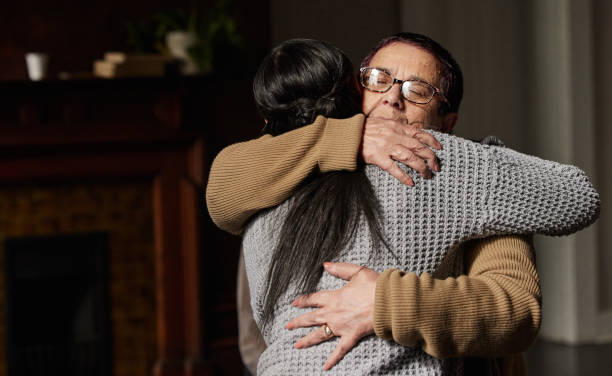
Supporting Your Loved One With Bipolar Disorder in Las Vegas
For those in Las Vegas seeking comprehensive care for bipolar disorder, Mighty Mental Health provides a safe and supportive environment where healing can begin. Our practice specializes in psychiatry and medication management, helping individuals find stability through evidence-based care.
Our Psychiatric Nurse Practitioner, Barbra Scheirer, takes a personalized approach to each patient’s needs, whether that includes prescribing medication, recommending therapy, or creating a holistic treatment plan that promotes long-term wellness. We understand that every person’s experience with bipolar disorder is unique, and we’re here to help you and your loved one navigate it with compassion.
Mighty Mental Health proudly accepts Nevada Medicaid, Caresource, Silver Summit, Health Plan of Nevada, Molina, and Anthem, making quality mental health services accessible to more families across the community.
Located in Las Vegas and Summerlin, NV, we offer both Telehealth visits for convenience and in-office consultations for those who prefer in-person care. If you’re seeking bipolar support for loved one in Las Vegas, contact us today at 702-479-1600 or through our contact form to schedule an appointment. Together, we can help your loved one regain balance, peace, and hope.

Frequently Asked Questions
Is it okay to set boundaries with someone who has bipolar disorder?
Absolutely. Boundaries are essential for maintaining healthy relationships. They protect both you and your loved one from burnout or misunderstandings. Setting limits doesn’t mean you’re abandoning them, it means you’re establishing a framework that supports mutual respect and stability.
How can I encourage my loved one to get professional help?
Start with empathy. Avoid pressuring or criticizing. Instead, share your concern using gentle language: “I’ve noticed things seem harder lately, maybe a mental health professional could help.” Offer to help find a therapist or accompany them to their first appointment for support.
What should I avoid saying to someone with bipolar disorder?
Avoid minimizing their feelings or suggesting they can “snap out of it.” Phrases like “Just calm down” or “It’s not that bad” can feel invalidating. Instead, express understanding: “I’m here for you. I know this is difficult, but we’ll get through it together.
References
- National Institute of Mental Health (NIMH) — Bipolar disorder symptoms and treatment information
- National Institute of Mental Health (NIMH) — Mental health conditions and treatment resources
- American Psychiatric Association — Bipolar disorder and psychiatric treatment resources
- U.S. Food and Drug Administration (FDA) — Prescription medication and medication safety information
- Mighty Mental Health — Bipolar disorder treatment and medication management resources