
Medically reviewed by: Barbra Scheirer, PMHNP-BC
Psychiatric Mental Health Nurse Practitioner
Mighty Mental Health
Last medically reviewed: June 2026
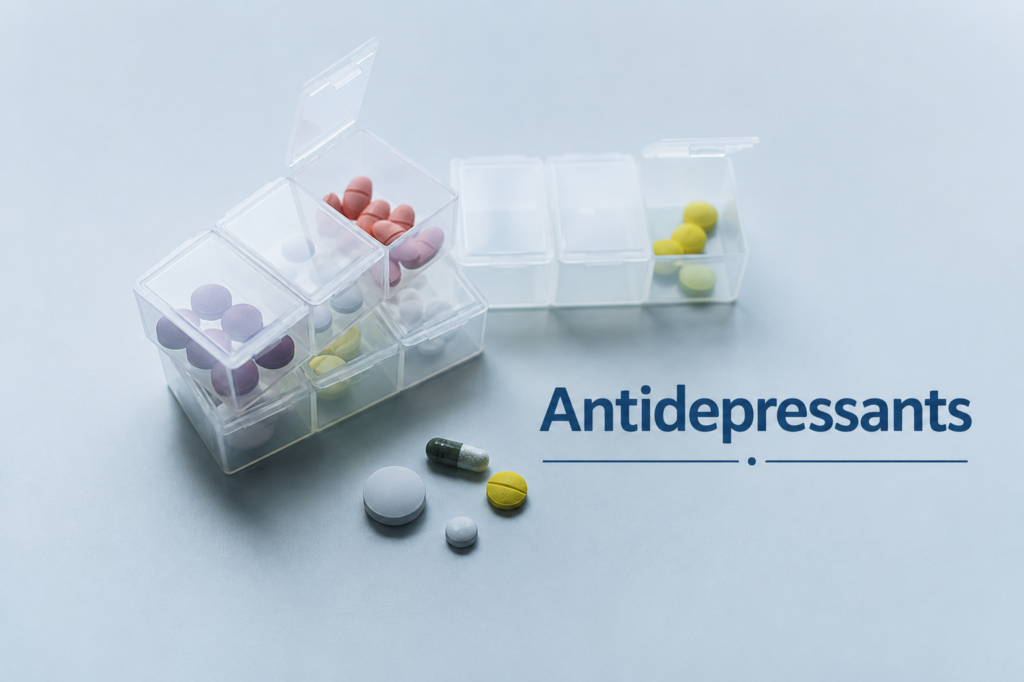
Antidepressants work by balancing brain chemicals involved in mood and emotion, helping relieve depression, anxiety, and related mental health conditions over time.
If you’ve recently been prescribed an antidepressant or are considering treatment for depression or anxiety, you may be wondering, how do antidepressants work? It’s one of the most common questions patients ask during their first mental health appointment, and understanding the answer can help ease uncertainty about starting medication.
Antidepressants are among the most widely prescribed medications for mental health conditions. While they don’t instantly change how you feel or “fix” emotional struggles overnight, they play an important role in helping many people regain emotional balance, reduce distressing symptoms, and improve their overall quality of life. For some individuals, antidepressants make it easier to participate in therapy, rebuild healthy routines, and return to work, school, or family activities that once felt overwhelming.
One of the biggest misconceptions is that antidepressants simply make people feel happier. In reality, these medications work by affecting communication between nerve cells in the brain. Over time, they help regulate neurotransmitters, chemical messengers that influence mood, motivation, sleep, concentration, appetite, and emotional regulation.
Because every person’s brain chemistry, medical history, and symptoms are different, there isn’t a single antidepressant that works for everyone. Finding the right medication may require careful evaluation, follow-up appointments, and occasional adjustments under the guidance of a qualified healthcare provider.
Whether you’re exploring treatment for yourself or supporting a loved one, understanding how antidepressants work can help you make informed decisions and set realistic expectations about the recovery process.
What Are Antidepressants?
Antidepressants are prescription medications primarily used to treat depression, but their benefits extend well beyond depressive disorders. Today, healthcare providers prescribe antidepressants for several mental health conditions, including anxiety disorders, obsessive-compulsive disorder (OCD), panic disorder, post-traumatic stress disorder (PTSD), and certain chronic pain conditions.
Unlike medications that provide immediate symptom relief, antidepressants gradually improve brain function over several weeks. Their goal is not to change your personality or suppress emotions but rather to help restore healthier patterns of brain communication that may have been disrupted by mental illness.
How They Support Mental Health
The brain relies on billions of nerve cells that constantly communicate using chemical messengers called neurotransmitters. Three neurotransmitters are especially important in mood regulation:
- Serotonin
- Norepinephrine
- Dopamine
When these chemicals become imbalanced or their signaling is disrupted, symptoms such as persistent sadness, anxiety, fatigue, hopelessness, irritability, poor concentration, or loss of interest in enjoyable activities may develop.
Antidepressants help regulate these neurotransmitters, allowing brain cells to communicate more effectively. Over time, these changes contribute to improved emotional stability and symptom relief.
It’s important to remember that medication is often only one part of a comprehensive treatment plan. Many individuals achieve the best outcomes when antidepressants are combined with psychotherapy, healthy lifestyle habits, regular exercise, adequate sleep, and strong social support.

How Do Antidepressants Work?
Understanding how antidepressants work requires looking at what happens inside the brain rather than focusing only on symptoms.
They Increase Neurotransmitter Availability
Most antidepressants work by increasing the amount of specific neurotransmitters available between nerve cells. Normally, after a neurotransmitter delivers its message, it is reabsorbed or broken down. Many antidepressants slow this process, allowing the chemical messenger to remain active longer.
This extended activity improves communication within brain circuits responsible for mood regulation, stress response, emotional processing, and motivation.
Brain Changes Take Time
Although antidepressants begin affecting neurotransmitters shortly after the first dose, noticeable symptom improvement often takes several weeks.
Researchers believe this delay occurs because the brain gradually adapts to the medication. During this period, nerve cells strengthen existing connections, create new communication pathways, and improve overall network function. These gradual biological changes help explain why patients are encouraged to continue taking medication even if they don’t feel immediate improvement.
Medication Doesn’t Create Artificial Happiness
One common myth is that antidepressants create constant happiness or emotional numbness.
In reality, their purpose is to reduce symptoms that interfere with normal daily life. Many patients describe feeling more like themselves again rather than experiencing an artificial emotional high. They often report improved motivation, greater emotional resilience, clearer thinking, better sleep, and renewed enjoyment of activities that depression or anxiety had diminished.
What Conditions Are Antidepressants Used to Treat?
Although their name suggests they only treat depression, antidepressants have many evidence-based uses across psychiatry and medicine.
Major Depressive Disorder
This remains the most common reason antidepressants are prescribed. They can reduce persistent sadness, hopelessness, fatigue, changes in appetite, sleep disturbances, and difficulty concentrating while supporting long-term recovery when combined with therapy.
Anxiety Disorders
Many antidepressants are considered first-line treatment for generalized anxiety disorder, panic disorder, and social anxiety disorder. Rather than masking anxiety, they help regulate the brain circuits involved in excessive worry and fear responses.
Obsessive-Compulsive Disorder (OCD)
Higher doses of certain antidepressants may help reduce intrusive thoughts and repetitive compulsive behaviors. Medication is frequently combined with cognitive behavioral therapy, particularly exposure and response prevention (ERP), for optimal outcomes.
Post-Traumatic Stress Disorder (PTSD)
Some antidepressants are approved to help reduce PTSD symptoms, including hypervigilance, intrusive memories, sleep disturbances, anxiety, and emotional distress. Treatment plans often combine medication with trauma-focused psychotherapy to address both the biological and psychological effects of trauma.
Beyond these conditions, healthcare providers may also prescribe antidepressants for chronic pain syndromes, premenstrual dysphoric disorder (PMDD), certain eating disorders, and menopausal symptoms in carefully selected patients. Because antidepressants have several therapeutic applications, choosing the right medication depends on a thorough psychiatric evaluation, medical history, current symptoms, and individual treatment goals rather than the diagnosis alone.

Are Antidepressants Safe?
For most people, antidepressants are considered safe when prescribed and monitored by a qualified healthcare provider. Before starting treatment, your clinician will review your medical history, current medications, symptoms, and any underlying health conditions to determine which medication is most appropriate.
Like all prescription medications, antidepressants have potential risks as well as benefits. Most side effects are mild and improve as the body adjusts during the first few weeks. However, some individuals may need a dosage adjustment or a different medication if side effects persist or the treatment is not effective.
Why Regular Follow-Up Matters
Starting an antidepressant is not a one-time decision. Regular follow-up appointments allow your provider to evaluate symptom improvement, monitor for side effects, and make changes if necessary. It is also important not to stop taking an antidepressant suddenly unless instructed by your healthcare provider, as doing so may lead to discontinuation symptoms such as dizziness, nausea, irritability, or flu-like feelings.
Patients younger than 25 should also be monitored closely during the first weeks of treatment because some antidepressants carry a boxed warning about an increased risk of suicidal thoughts in children, adolescents, and young adults. Careful monitoring helps ensure treatment remains safe and effective.
Different Types of Antidepressants
Understanding how antidepressants work also means recognizing that different medications affect different brain chemicals. Your provider will recommend a medication based on your symptoms, health history, and previous treatment response.
Selective Serotonin Reuptake Inhibitors (SSRIs)
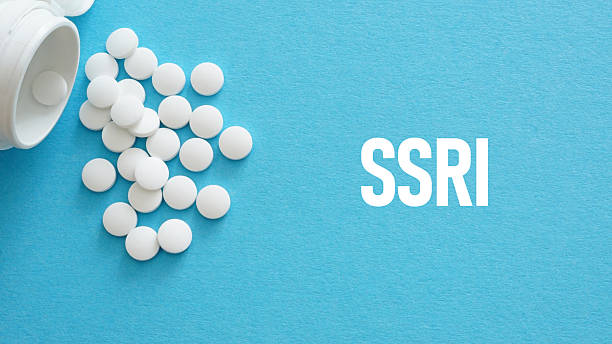
SSRIs are usually the first medications prescribed because they are effective for both depression and anxiety and are generally well tolerated. They increase serotonin levels by slowing its reabsorption in the brain.
Examples include sertraline, fluoxetine, escitalopram, and citalopram.
Serotonin-Norepinephrine Reuptake Inhibitors (SNRIs)
SNRIs increase both serotonin and norepinephrine. They may be recommended for individuals with depression accompanied by chronic pain or significant fatigue.
Common examples include venlafaxine, duloxetine, and desvenlafaxine.
Atypical Antidepressants
These medications work through different mechanisms and may be chosen when SSRIs or SNRIs are not the best fit. Bupropion, for example, affects dopamine and norepinephrine and is less likely to cause sexual side effects.
Tricyclic Antidepressants (TCAs)
TCAs are older medications that remain effective for some patients but generally cause more side effects than newer antidepressants. They may still be used when other treatments have not provided adequate symptom relief.
Monoamine Oxidase Inhibitors (MAOIs)
MAOIs are prescribed less frequently because they require dietary restrictions and can interact with many medications. However, they remain valuable treatment options in carefully selected situations.
Common Side Effects of Antidepressants
Not everyone experiences side effects, and those who do often find they become milder as treatment continues. The specific side effects depend on the medication prescribed.
Frequently Reported Side Effects
Some of the most common side effects include:
- Nausea
- Headache
- Dry mouth
- Drowsiness or insomnia
- Increased sweating
- Dizziness
- Changes in appetite
- Weight changes
- Sexual side effects, including decreased libido or delayed orgasm
Most of these effects improve within several weeks. If they become bothersome or interfere with daily life, your provider may recommend adjusting the dosage or trying another medication.
When to Contact Your Provider
Seek medical advice if you experience severe side effects, worsening depression, thoughts of self-harm, significant mood changes, allergic reactions, or symptoms of serotonin syndrome, such as high fever, muscle rigidity, confusion, rapid heart rate, or agitation. Prompt evaluation helps ensure your treatment remains both safe and effective.
Finding the Right Antidepressant for You
If you’re asking how antidepressants work, you’re already taking an important step toward understanding your treatment options. While antidepressants can be highly effective, the right medication varies from person to person. Factors such as your diagnosis, symptoms, medical history, other medications, and lifestyle all influence which antidepressant may be the best fit.
At Mighty Mental Health, we believe mental healthcare should be individualized, compassionate, and evidence based. Our Psychiatric Nurse Practitioner, Barbra Scheirer, carefully evaluates each patient’s needs and develops personalized treatment plans that may include antidepressant medication, therapy recommendations, medication management, lifestyle strategies, and ongoing follow-up to support long-term emotional wellness.
As a trusted psychiatry and medication management practice serving Las Vegas and Summerlin, Nevada, Mighty Mental Health offers both Telehealth Visits and In-Office Consultations for your convenience. We proudly accept Nevada Medicaid, CareSource, Silver Summit, Health Plan of Nevada, Molina, and Anthem, helping make quality mental healthcare more accessible to our community.
If you’re experiencing symptoms of depression, anxiety, or another mental health condition and would like to discuss whether antidepressant treatment is appropriate for you, contact Mighty Mental Health today at 702-479-1600 or complete our online contact form to schedule an appointment. Together, we’ll create a treatment plan designed to help you feel your best.
Frequently Asked Questions
How long does it take for antidepressants to start working?
Most people begin noticing improvement within two to six weeks, although full benefits may take eight weeks or longer depending on the medication and the individual. Continuing treatment as prescribed and attending follow-up appointments are important even if improvement is gradual.
Are antidepressants addictive?
No. Antidepressants are not considered addictive because they do not produce cravings or compulsive drug-seeking behavior. However, stopping them abruptly may cause discontinuation symptoms, so they should only be tapered under medical supervision.
Can antidepressants help anxiety even if I’m not depressed?
Yes. Many antidepressants are approved to treat anxiety disorders even in people who do not have depression. They help regulate the brain pathways involved in excessive worry, fear, and panic.
What should I do if my antidepressant isn’t working?
Do not stop taking your medication without speaking with your healthcare provider. Sometimes the dose needs adjustment, more time is needed, or another antidepressant may be a better option. Your provider may also recommend combining medication with psychotherapy for improved results.
References
- American Psychiatric Association. Practice Guideline for the Treatment of Patients With Major Depressive Disorder. American Psychiatric Association. https://www.psychiatry.org/
- National Institute of Mental Health (NIMH). Mental Health Medications. https://www.nimh.nih.gov/health/topics/mental-health-medications
- National Institute of Mental Health (NIMH). Depression. https://www.nimh.nih.gov/health/topics/depression
- National Institute for Health and Care Excellence (NICE). Depression in Adults: Treatment and Management (NG222). https://www.nice.org.uk/guidance/ng222
- National Institute for Health and Care Excellence (NICE). Generalised Anxiety Disorder and Panic Disorder in Adults (CG113). https://www.nice.org.uk/guidance/cg113
- U.S. Food and Drug Administration (FDA). Antidepressant Use in Children, Adolescents, and Adults. https://www.fda.gov/