

Medically reviewed by Barbra Scheirer, Psychiatric Mental Health Nurse Practitioner at Mighty Mental Health
Last medically reviewed: October 26, 2026
Suboxone combines buprenorphine and naloxone to ease opioid withdrawal and cravings. Many people feel relief within 30 to 60 minutes of a properly timed first dose.
If you or someone you love is considering medication for opioid use disorder, the first question is usually a practical one: how does Suboxone work, and what will treatment actually feel like? The honest answer is that it works quietly. Most people do not feel high. They feel the withdrawal and cravings loosen their grip, which gives them room to focus on work, family, and recovery.
This guide explains the science in plain language, then walks through the first visit, the first weeks, side effects, and how Suboxone compares with newer injectable options.
How Does Suboxone Work?
Suboxone works by attaching to the same brain receptors that opioids use, but with a much gentler effect. It relieves withdrawal symptoms and reduces cravings without producing the intense high of full opioids, and it blocks other opioids from having their usual effect.
What Is Suboxone Made Of?
Suboxone is a brand-name medication that contains two active ingredients. It is sold as a film that dissolves under the tongue or inside the cheek, and generic buprenorphine and naloxone products, including tablets, are widely available.
Buprenorphine: The Treatment Ingredient
Buprenorphine is a partial opioid agonist. It binds tightly to the brain’s opioid receptors and activates them only partially. That partial activation is enough to calm withdrawal and cravings, but its effect levels off as the dose rises. This “ceiling effect” is a major reason buprenorphine carries a lower risk of dangerous breathing suppression than full agonists such as heroin, fentanyl, or methadone.

Naloxone: The Safeguard
Naloxone is an opioid blocker. Taken under the tongue as directed, very little reaches the bloodstream, so it has minimal effect. If someone tries to inject Suboxone, the naloxone becomes active and can trigger withdrawal, which discourages misuse.
How Do Buprenorphine and Naloxone Work Together?
Think of the two ingredients as a treatment and a safeguard. Buprenorphine does the therapeutic work, while naloxone protects against misuse. Because buprenorphine holds onto receptors for a long time, with an effective half-life of roughly a day or more, one daily dose usually keeps symptoms steady.
Why Timing Matters
Buprenorphine binds more strongly than most opioids. If you take it while other opioids are still active, it can push them off the receptors abruptly and cause precipitated withdrawal, a sudden and uncomfortable crash. That is why clinicians usually ask you to wait until you are in mild to moderate withdrawal, often 12 to 24 hours after short-acting opioids and longer after long-acting ones such as methadone.
What Does Suboxone Treat?
Suboxone is FDA-approved to treat opioid use disorder, which includes dependence on prescription pain medications, heroin, and illicit fentanyl. It is a form of medication for opioid use disorder (MOUD), and research consistently links MOUD with lower overdose risk and better retention in treatment than counseling alone.
It does not treat pain in the way a prescription pain reliever does, and it is not a cure. It stabilizes the brain and body so that therapy, support, and lifestyle changes can take hold.

Who Is a Good Candidate for Suboxone Treatment?
A good candidate is an adult with opioid use disorder who is ready to begin treatment and can follow a structured plan. A clinician will weigh several factors:
-
- A diagnosis of opioid use disorder based on a clinical evaluation
-
- Current and past substance use, including alcohol and sedatives
-
- Other medications, since combining Suboxone with benzodiazepines or alcohol raises overdose risk
-
- Liver health, pregnancy, and other medical conditions
-
- Mental health, including anxiety, depression, or trauma that may need care too
Since 2023, federal law no longer requires a special waiver to prescribe buprenorphine, so more licensed clinicians, including psychiatric nurse practitioners, can offer it.
What to Expect at Your First Visit
Your first appointment is mostly a conversation, and it is not a lecture. Expect questions about your opioid use, previous treatment, medical history, mental health, and goals. Your provider may order a urine drug screen, check the state prescription monitoring program, review your medications, and explain how treatment works.
You will also plan your start. Many people begin at home once withdrawal has started, while others begin in the office with guidance. Either way, you should leave knowing your first dose, what to do if symptoms worsen, and when your next visit is.
What to Expect in the First Days and Weeks of Treatment
How Long Does It Take for Suboxone to Work?
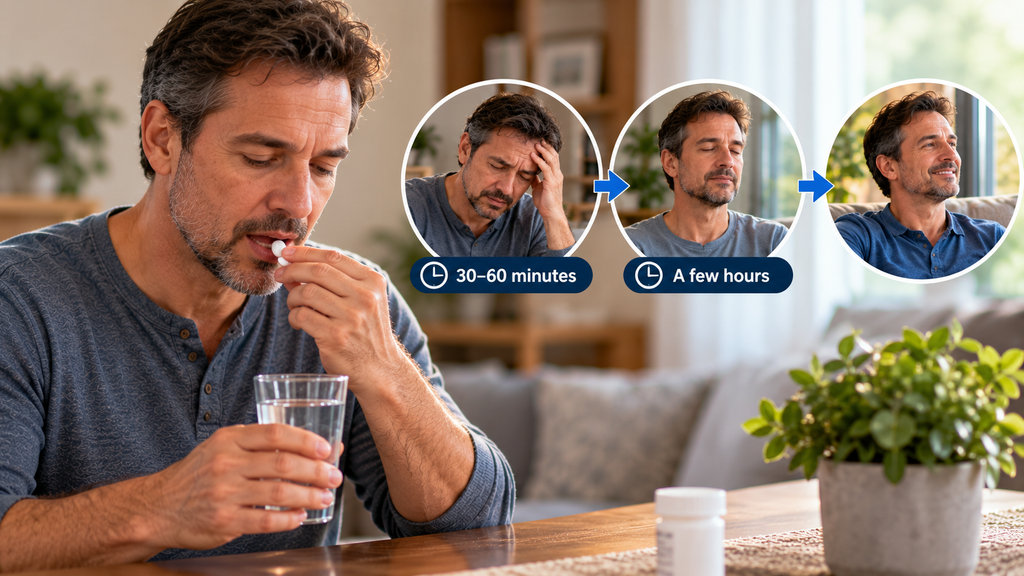
People often ask how long does it take for Suboxone to work. Relief from withdrawal usually begins within 30 to 60 minutes of a dissolved dose, and effects build over the next few hours. Finding the right daily dose can take several days, since your provider adjusts it based on symptoms and cravings.
The First Week
Treatment typically starts with a low dose, followed by small increases until symptoms are controlled. Follow-up visits are frequent early on, and many people feel noticeably steadier by the end of the first week.
Weeks Two Through Four
Cravings usually ease, sleep improves, and early side effects often fade as the dose stabilizes. This is a good time to add counseling or peer support. Keep your medication locked up and away from children, and never stop abruptly without talking to your provider.
What Are the Common Side Effects of Suboxone?
Most side effects are mild and tend to improve over time. Common ones include:
-
- Nausea or vomiting
-
- Headache
-
- Constipation
-
- Sweating
-
- Trouble sleeping
-
- Mouth numbness or redness where the film dissolves
The FDA has also warned that buprenorphine dissolved in the mouth has been linked to dental problems, so good oral hygiene and regular dental checkups matter. Seek urgent help for slowed breathing, severe drowsiness, or an allergic reaction. If you suspect an overdose, call 911.
Is Suboxone Different From Sublocade and Brixadi?
Yes. All three contain buprenorphine, but they differ in how they are taken and how often.
| Feature | Suboxone | Sublocade | Brixadi |
| Form | Film under the tongue (generic tablets available) | Injection under the skin | Injection under the skin |
| Schedule | Daily | Monthly | Weekly or monthly |
| Given by | You, at home | Healthcare provider | Healthcare provider |
| Contains naloxone | Yes | No | No |
Injections suit people who prefer not to take a daily dose, and some people switch from film to injections later. Your provider can help you choose.
Find Opioid Treatment in Las Vegas
Understanding how Suboxone works is the first step toward deciding whether it fits your recovery. The next step is talking to a provider who can answer your questions without judgment.
Mighty Mental Health is a psychiatry and medication management office serving Las Vegas and Summerlin, NV, with telehealth visits and in-office consultations. Our comprehensive Suboxone treatment plans for opioid use disorder may include prescribing medication or recommending therapy as part of a well-rounded approach to care, through our Psychiatric Nurse Practitioner, Barbra Scheirer. We accept Nevada Medicaid, CareSource, Silver Summit, Health Plan of Nevada, Molina, and Anthem.
Contact us today at 702-479-1600 or through our contact form to schedule your visit.

Frequently Asked Questions
Is Suboxone a Narcotic?
Legally, yes. Buprenorphine is an opioid and a Schedule III controlled substance. However, it is a partial agonist with a lower overdose risk than full opioids, and it is prescribed to treat opioid dependence, not to produce a high.
How Long Does Suboxone Treatment Last?
There is no fixed timeline. Many people stay on treatment for months or years, and research links longer treatment with better outcomes. Any decision to taper should be made with your provider, not on your own.
What Is the Difference Between Suboxone and Methadone?
Methadone is a full opioid agonist, usually dispensed through certified opioid treatment programs. Suboxone is a partial agonist that can be prescribed in a regular office or through telehealth, and its ceiling effect lowers overdose risk. Both are effective.
Does Insurance or Medicaid Cover Suboxone Treatment?
Nevada Medicaid and most commercial plans generally cover buprenorphine-naloxone, though prior authorization and copays vary by plan. Our team can help you verify your benefits before your visit.
References
1. Substance Abuse and Mental Health Services Administration. TIP 63: Medications for Opioid Use Disorder. Publication PEP21-02-01-002. July 2021. https://library.samhsa.gov/product/tip-63-medications-opioid-use-disorder/pep21-02-01-002
2. National Institute on Drug Abuse. Medications for Opioid Use Disorder. https://nida.nih.gov/research-topics/medications-opioid-use-disorder
3. U.S. Food and Drug Administration. FDA warns about dental problems with buprenorphine medicines dissolved in the mouth to treat opioid use disorder and pain. Drug Safety Communication. January 12, 2022. https://www.fda.gov/drugs/drug-safety-and-availability/fda-warns-about-dental-problems-buprenorphine-medicines-dissolved-mouth-treat-opioid-use-disorder
4. Mattick RP, Breen C, Kimber J, Davoli M. Buprenorphine maintenance versus placebo or methadone maintenance for opioid dependence. Cochrane Database of Systematic Reviews. 2014;(2):CD002207. https://doi.org/10.1002/14651858.CD002207.pub4
5. Walsh SL, Preston KL, Stitzer ML, Cone EJ, Bigelow GE. Clinical pharmacology of buprenorphine: ceiling effects at high doses. Clinical Pharmacology and Therapeutics. 1994;55(5):569-580. https://doi.org/10.1038/clpt.1994.71
6. U.S. Drug Enforcement Administration, Diversion Control Division. Controlled Substance Schedules. https://www.deadiversion.usdoj.gov/schedules/