

Medically reviewed by Barbra Scheirer,
Psychiatric Mental Health Nurse Practitioner at Mighty Mental Health
Last medically reviewed: October 26, 2026
Stress affects older adults by straining the heart, sleep, immunity, memory, and mood, and ongoing stress often needs support from a doctor or mental health provider.
Picture a retired teacher who stops her morning walks. Her husband’s health is declining, money feels tight, and she sleeps badly. Her daughter assumes it is just aging. Often, it is stress.
Stress and the elderly is a topic families often overlook, because tiredness, worry, and forgetfulness are easy to blame on age. This guide from Mighty Mental Health, a psychiatry and medication management office in Las Vegas and Summerlin, explains how stress affects older adults, what to watch for, and when to get help.
How Does Stress Affect Older Adults?
Stress is the body’s response to demands, and short bursts are normal at any age. The trouble starts when stress becomes chronic. In older adults, the body may take longer to settle after a stressful event, and long-lasting stress can wear on the heart, immune system, sleep, and mood at the same time.
Acute Stress vs. Chronic Stress
A single event, such as a hospital stay or a move, can cause acute stress that fades as life settles. Chronic stress is different. It builds over months or years, as with caregiving or ongoing money trouble, and it is the kind most likely to affect health.
Why Older Adults Are More Vulnerable
Older adults often face several pressures at once: health conditions, loss, money worries, and less independence. Fewer reserves, whether physical, financial, or social, make it harder to bounce back. That is why stress in later life needs its own attention.

What Are the Physical Effects of Stress in the Elderly?
Heart, Blood Pressure, and Chronic Conditions
Stress hormones raise heart rate and blood pressure, which matters when an older adult already has heart disease or hypertension. Stress can also make blood sugar harder to control in diabetes and can intensify chronic pain or arthritis flare-ups.
Sleep, Digestion, and Immunity
Poor sleep is often one of the first signs, and anxiety can cause insomnia that leaves people foggy and worn down the next day. Over time, a chronic lack of sleep can also raise the risk of depression. Stress may also trigger stomach upset, appetite changes, headaches, and muscle tension, and a weakened immune response can mean more colds and slower healing.
Fatigue and Low Energy
Ongoing tiredness is another common effect, and it deserves a closer look. Sometimes it is simply stress and poor sleep, but depression can also cause extreme fatigue, so persistent exhaustion is worth discussing with a provider.
Falls and Everyday Safety
Stress-related fatigue, poor sleep, and distraction can raise the risk of falls and missed medications. An older adult juggling worry may forget a dose or skip meals, which can quickly create a second health problem.
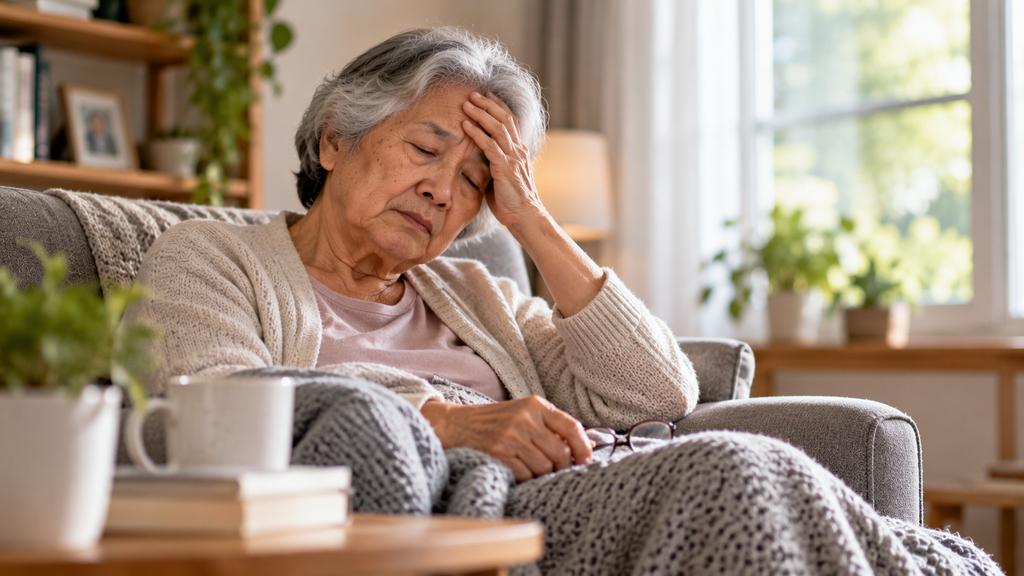
What Are the Emotional and Mental Effects of Stress in Older Adults?
Anxiety, Irritability, and Low Mood
Constant stress often shows up as persistent worry, a short temper, or sadness that does not lift. Some seniors become fearful of being alone, of falling, or of running out of money. When low mood lasts, it may signal depression, which is often overlooked in later life and is not a normal part of aging.
When Stress Becomes Anxiety or Depression
Prolonged stress can tip into an anxiety disorder or depression, especially when it goes unaddressed for months. Understanding what causes anxiety, including genetics, medical illness, and life stress, helps families see that it is not a weakness or a choice. Families should also know the risks of untreated depression, which include worsening physical health, isolation, and thoughts of self-harm.
Memory and Concentration
Stress competes for attention. An anxious mind struggles to take in new information, so names, appointments, and where the keys went can slip. Stress-related forgetfulness often improves as stress eases, but memory changes that persist or worsen need a medical evaluation to rule out other causes.
Social Withdrawal and Loneliness
Many older adults respond to stress by pulling back from friends, church, or hobbies. Withdrawal feels protective but often deepens isolation, which in turn feeds more stress. Helping a parent name and manage overwhelming emotions is often a good first step.

What Causes Stress in Older Adults?
Health and Independence
A new diagnosis, chronic pain, or fear of losing independence is a major source of stress. Giving up driving or needing help with bathing can feel like losing a piece of identity, not just a convenience.
Loss, Grief, and Loneliness
The death of a spouse, siblings, or close friends is common in later life, and grief can arrive repeatedly. Adult children moving away or a shrinking social circle can leave seniors feeling alone.
Retirement and Loss of Routine
Retirement can remove more than a paycheck. Without work to structure the day, colleagues to see, or a sense of purpose, some older adults feel adrift, and sleep and mood can slip.
Money, Housing, and Caregiving
Fixed incomes, rising medical and housing costs, and downsizing or moving can all weigh heavily. Many older adults also care for a spouse with illness or dementia, and caregiver stress is intense and easy to hide.
What Are the Signs of Stress in Seniors?
Older adults often downplay how they feel, so the signs can be easy to miss. Families usually notice changes in behavior before the person says anything.
Changes You Can See
- Sleeping much more or much less than usual
- Eating less, or skipping meals
- Irritability, restlessness, or tearfulness
- Pulling away from friends and activities
- Neglecting hygiene, home upkeep, or medications
- Increased alcohol use
Signs at Home
Look around the house. Unopened mail, spoiled food, unfilled prescriptions, or a neglected yard can signal that stress is overwhelming someone who used to manage well.
Complaints You Might Hear
Stress often comes out as physical complaints: frequent headaches, stomach pain, aches, or unexplained fatigue. Repeated worries, such as “What if something happens to me?”, are another clue. Sudden episodes of racing heart, shortness of breath, and intense fear may point to panic disorder.

How Is Stress in Older Adults Treated?
Treatment starts with finding what is driving the stress, since the cause may be medical, emotional, social, or all three.
Evaluation and Treating the Root Cause
A provider reviews symptoms, health history, and current medications, since some medicines and conditions such as thyroid problems can mimic or worsen stress. Getting an accurate mental health diagnosis matters, because stress, anxiety, depression, and early memory disorders can look alike. Treating pain, poor sleep, or other medical problems often eases stress on its own.
Therapy and Coping Skills
Talk therapy gives older adults a safe place to process grief, change, and fear. Cognitive behavioral therapy teaches practical ways to challenge worry, and video sessions help when travel is difficult. Structured stress management treatment can add relaxation skills, problem-solving, and pacing strategies for overwhelming days. Psychiatric providers can arrange therapist referrals when therapy fits the plan.
Medication Management When Appropriate
When stress has progressed to an anxiety disorder, depression, or severe insomnia, medication may help. Older adults process medicines differently, so providers often start low and go slow, and use caution with sedatives such as Klonopin that raise the risk of falls and confusion. Many providers also explain how antidepressants work, including why they can take several weeks to help, so expectations are realistic. Ongoing medication management lets the plan be adjusted safely.
Daily Habits That Help
Walks, steady sleep and meal times, time outdoors, and regular contact with friends, family, or a faith community can all help lower stress. Las Vegas families can also explore local mental health resources, from senior centers to support groups, for added connection.
How Families Can Help at Home
Families can help by staying calm, listening without rushing to fix things, and keeping routines steady. Offer rides to appointments, help organize pill boxes, and check in regularly by phone or video. Encourage, but do not pressure, and avoid dismissing worries as just old age.
When Should an Older Adult See a Psychiatric Provider in Las Vegas?
Signs It May Be Time
Consider an evaluation if symptoms last more than two weeks, interfere with sleep, eating, or daily tasks, or come with panic, hopelessness, or heavy drinking. Constant worry may point to generalized anxiety disorder, and memory changes that persist should always be checked.
In a Crisis
If an older adult talks about wanting to die or harming themselves, act right away. Call or text 988 (Suicide & Crisis Lifeline). If there is immediate danger, call 911 or go to the nearest emergency room.
What to Expect at a First Visit
A first visit usually includes questions about symptoms, sleep, health conditions, medications, and recent life changes. Bring a medication list and, if possible, a family member who can share what they have noticed. Ask about coverage beforehand, since telehealth insurance coverage can vary by plan, and you can review our accepted insurance plans.
Telehealth for Seniors
Video visits can remove barriers like transportation, mobility limits, and waiting rooms, and a family member can join with permission. In-office visits remain available for those who prefer face-to-face care.
Worried About a Parent or Loved One?
Stress and the elderly should not be something families simply wait out. Whether the cause is illness, grief, money, or caregiving, older adults deserve the same attention to their mental health as to their blood pressure.
Mighty Mental Health is a psychiatry and medication management office in Las Vegas and Summerlin, NV, offering both telehealth visits and in-office consultations. We accept Nevada Medicaid, CareSource, Silver Summit, Health Plan of Nevada, Molina, and Anthem. Through our Psychiatric Nurse Practitioner, Barbra Scheirer, we build comprehensive treatment plans for stress in older adults that may include prescribing medication or recommending therapy as part of a well-rounded approach to care.
Contact us today at 702-479-1600 or through our contact form to schedule a visit for you or your loved one.

Frequently Asked Questions
Can stress cause health problems in older adults?
Yes. Chronic stress is linked to high blood pressure, heart disease, weakened immunity, poor sleep, and worsening of conditions like diabetes. Treating stress early can protect both physical and mental health.
How do I know if my parent’s stress is serious?
Look at duration and impact. Stress is serious when it lasts more than two weeks, disrupts sleep, eating, or daily routines, or comes with hopelessness or talk of self-harm. When in doubt, ask their doctor.
What is the difference between stress and anxiety in seniors?
Stress and anxiety overlap, but stress is a reaction to a specific demand, such as a move or a new diagnosis, and usually eases once the situation improves. Anxiety is persistent worry that continues without a clear trigger and may be an anxiety disorder.
Can stress cause memory problems in older adults?
Yes, temporarily. Stress and poor sleep can make it hard to focus and recall details. If forgetfulness is getting worse, interfering with daily life, or noticed by others, ask a doctor for an evaluation, since depression, medications, and other conditions can also affect memory.
References
- National Institute of Mental Health. I’m So Stressed Out! Fact Sheet.
- National Institute of Mental Health. Anxiety Disorders.
- American Psychological Association. Stress Effects on the Body.
- 988 Suicide & Crisis Lifeline. 988lifeline.org.