
Medically Reviewed By
Barbra Scheirer, PMHNP-BC
Psychiatric Mental Health Nurse Practitioner
Mighty Mental Health
Sublocade can cause precipitated withdrawal if started too early or before opioid withdrawal is stabilized. Proper timing and medical supervision greatly reduce this risk.
Many people beginning treatment for opioid use disorder have one important question: can Sublocade cause precipitated withdrawal? It is a valid concern because precipitated withdrawal can be sudden, intense, and frightening. Fortunately, the risk is well understood by addiction medicine specialists, and there are established protocols to help prevent it.
Sublocade is an extended-release form of buprenorphine that is injected once a month. It helps reduce opioid cravings and withdrawal symptoms while supporting long-term recovery. However, because it contains buprenorphine, the same medication found in Suboxone, it must be started at the appropriate stage of treatment. Receiving the injection too soon after using opioids can trigger precipitated withdrawal Sublocade complications instead of providing relief.
Understanding why this happens, recognizing the warning signs, and working with an experienced healthcare provider are essential steps for a safe transition. This guide explains the science behind precipitated withdrawal, identifies who may be at greater risk, and outlines practical ways to safely begin Sublocade treatment.
What Is Precipitated Withdrawal?
Precipitated withdrawal is a rapid onset of withdrawal symptoms that occurs when buprenorphine displaces stronger opioids already attached to opioid receptors in the brain.
Unlike traditional withdrawal, which develops gradually as opioids leave the body, precipitated withdrawal happens because buprenorphine has a very high affinity for opioid receptors but only partially activates them. If someone still has significant amounts of heroin, fentanyl, oxycodone, morphine, or similar opioids occupying those receptors, buprenorphine pushes them off quickly. The sudden decrease in receptor activation produces an abrupt withdrawal response.
Why Buprenorphine Behaves Differently
Buprenorphine is called a partial opioid agonist. It activates opioid receptors enough to reduce cravings and withdrawal symptoms without producing the same level of euphoria or respiratory depression as full opioid agonists.
Its strong receptor affinity makes it an effective treatment medication, but it also explains why careful timing matters before starting treatment.
Can Sublocade Cause Precipitated Withdrawal?
Yes. The answer to can Sublocade cause precipitated withdrawal is yes, but only under certain circumstances.
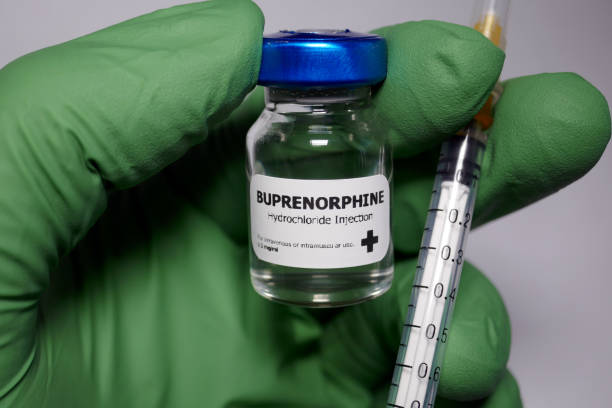
Sublocade itself is not inherently dangerous. Instead, the timing of the first injection determines the risk. Medical guidelines recommend that patients first become stable on transmucosal buprenorphine, such as Suboxone, before receiving their first Sublocade injection. This allows healthcare providers to confirm that the patient’s body tolerates buprenorphine without triggering withdrawal.
If Sublocade is administered while full opioid agonists are still actively occupying opioid receptors, buprenorphine may rapidly replace those opioids and cause precipitated withdrawal.
The good news is that when patients follow recommended induction protocols under medical supervision, precipitated withdrawal Sublocade events become much less common.
Why Providers Usually Start with Suboxone
Starting with daily buprenorphine tablets or films gives clinicians an opportunity to monitor symptoms, adjust dosing, and confirm stabilization before administering a long-acting monthly injection.
This extra step improves safety and increases treatment success.
Why It Happens and Who Is Most at Risk?
Several factors increase the likelihood of precipitated withdrawal.
Recent Opioid Use
People who have recently used heroin, fentanyl, oxycodone, hydrocodone, or morphine are at greater risk because those drugs may still occupy opioid receptors.
Fentanyl Exposure
Fentanyl deserves special attention. Because it accumulates in body tissues and leaves the body differently than many other opioids, some individuals require longer waiting periods before beginning buprenorphine treatment.
Starting Treatment Too Early
The most common reason precipitated withdrawal occurs is beginning buprenorphine before moderate withdrawal has naturally developed.
Individual Differences
Metabolism, opioid tolerance, duration of opioid use, liver function, and overall health may all influence when it is safest to begin treatment.
An experienced clinician evaluates these factors rather than relying on a fixed timeline alone.
What Are the Signs and Symptoms of Precipitated Withdrawal?
Symptoms usually develop quickly, often within one to two hours after buprenorphine administration.
Common symptoms include:
Physical Symptoms
- Severe body aches
- Muscle cramps
- Sweating
- Chills
- Goosebumps
- Nausea
- Vomiting
- Diarrhea
- Runny nose
- Dilated pupils
- Rapid heartbeat
Emotional Symptoms
Many people also experience:
- Intense anxiety
- Restlessness
- Irritability
- Panic
- Difficulty sleeping
- Strong opioid cravings
Although precipitated withdrawal is extremely uncomfortable, it is generally not life-threatening when managed appropriately. Medical professionals can provide supportive care, symptom management, and continued monitoring throughout the process.

How to Prevent Precipitated Withdrawal Before Starting Sublocade
Preventing precipitated withdrawal begins long before the first injection.
Wait Until Appropriate Withdrawal Begins
Healthcare providers often use standardized tools such as the Clinical Opiate Withdrawal Scale (COWS) to determine whether someone has reached moderate withdrawal before initiating buprenorphine.
Objective assessment is safer than estimating based on time alone.
Stabilize on Suboxone First
Current treatment recommendations typically involve stabilizing patients on transmucosal buprenorphine before transitioning to Sublocade.
This confirms that buprenorphine is well tolerated and reduces uncertainty before administering a medication that remains active for an entire month.
Be Honest About Recent Drug Use
Patients should always tell their provider exactly when they last used opioids, even if they fear judgment.
Accurate information allows providers to make safer treatment decisions and reduce unnecessary complications.
Follow Individualized Medical Advice
Every recovery journey is different. Some patients may require additional observation, different induction approaches, or modified treatment schedules depending on the opioids used and their overall health.

When to Contact a Healthcare Provider
Patients should contact their healthcare provider immediately if severe withdrawal symptoms develop after starting buprenorphine or Sublocade.
Medical attention is especially important if symptoms include persistent vomiting, inability to drink fluids, confusion, chest pain, severe dehydration, uncontrolled anxiety, or worsening symptoms that do not improve.
Even when symptoms are less severe, patients should never stop treatment without speaking to their healthcare provider. In many cases, symptoms can be managed safely while maintaining progress toward recovery.
Prompt communication also allows providers to adjust future treatment plans and improve comfort during stabilization.
Get Expert Guidance Before Starting Sublocade
If you are wondering can Sublocade cause precipitated withdrawal, the most important takeaway is that proper medical supervision significantly lowers the risk. Careful assessment, appropriate timing, and individualized treatment planning help patients transition safely while supporting long-term recovery.
At Mighty Mental Health, our experienced psychiatric and medication management team provides compassionate, evidence-based treatment for opioid use disorder. Under the care of our Psychiatric Nurse Practitioner, Barbra Scheirer, we develop comprehensive treatment plans that may include medication management, therapy referrals, ongoing monitoring, and personalized recovery support based on each patient’s needs.
We proudly serve patients throughout Las Vegas and Summerlin, Nevada, with both convenient Telehealth appointments and in-office consultations. We also accept Nevada Medicaid, CareSource, Silver Summit, Health Plan of Nevada, Molina, and Anthem, helping make quality mental health and addiction treatment more accessible.
If you have questions about Sublocade, Suboxone, or concerns regarding precipitated withdrawal Sublocade, contact Mighty Mental Health today at 702-479-1600 or complete our online contact form to schedule an appointment. Our team is here to help you begin treatment safely and confidently.

Frequently Asked Questions
How long should I take Suboxone before getting Sublocade?
Most patients are stabilized on daily transmucosal buprenorphine before receiving their first Sublocade injection. Your provider will determine the appropriate duration based on your response to treatment, withdrawal control, and overall clinical stability rather than using the same timeline for everyone.
Is Sublocade safer than taking Suboxone every day?
Both medications are effective and safe when prescribed appropriately. Sublocade offers the convenience of monthly dosing and may improve adherence, while Suboxone allows easier dose adjustments during early treatment. Your provider can help determine which option best fits your recovery goals.
What should I do if I think I’m experiencing precipitated withdrawal?
Contact your healthcare provider immediately. Do not attempt to manage severe symptoms alone or stop treatment without medical guidance. Early evaluation allows your provider to recommend supportive care and determine the safest next steps.
Can I receive Sublocade if I’m still using opioids?
Generally, no. Patients are typically transitioned onto buprenorphine first and stabilized before receiving Sublocade. Starting the injection while full opioid agonists are still active significantly increases the risk of precipitated withdrawal.
References
- Substance Abuse and Mental Health Services Administration. TIP 63: Medications for Opioid Use Disorder. Updated 2021.
- American Society of Addiction Medicine. The ASAM National Practice Guideline for the Treatment of Opioid Use Disorder. 2020 Focused Update.
- U.S. Food and Drug Administration. Sublocade (buprenorphine extended-release) Prescribing Information.
- Indivior. Sublocade Healthcare Professional Prescribing Information.
- National Institute on Drug Abuse. Medications to Treat Opioid Use Disorder.
- Centers for Disease Control and Prevention. Opioid Use Disorder: Treatment and Recovery Resources.
- National Library of Medicine. Clinical literature on buprenorphine induction, opioid receptor pharmacology, and precipitated withdrawal published in peer-reviewed medical journals.