
Medically Reviewed By: Barbra Scheirer, Psychiatric Mental Health Nurse Practitioner
Organization: Mighty Mental Health
Title: Psychiatric Mental Health Nurse Practitioner (PMHNP-BC)
Last Medically Reviewed: May 2026
Reading Time: 10–12 Minutes
Stress is a short-term response to pressure, while anxiety is ongoing worry that may persist without a clear trigger. Both affect the mind and body differently.
Understanding anxiety vs stress is essential because many people experience both without realizing they are distinct conditions with different causes, patterns, and treatment approaches.
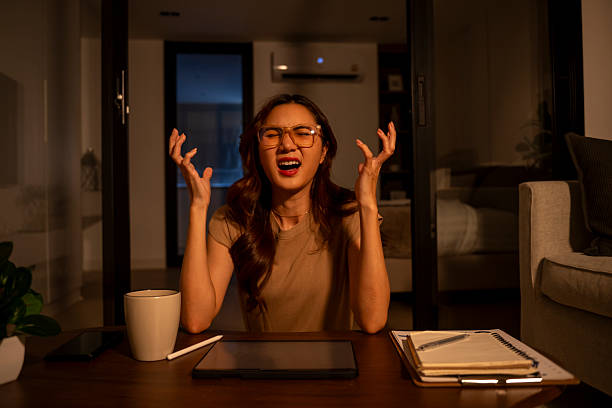
Stress is usually a response to something happening in your environment, such as work deadlines, financial pressure, relationship conflict, or major life changes. It is the body’s way of responding to demand.
Anxiety, on the other hand, is more internal. It can continue even when there is no immediate stressor present. People often describe it as “constant worry,” “anticipating the worst,” or feeling “on edge for no reason.”
The confusion between stress vs anxiety is common because both share similar physical symptoms, including rapid heartbeat, restlessness, fatigue, and difficulty concentrating. However, the underlying mechanisms and long-term effects are different, which is why proper understanding is important for effective treatment.
What Is Stress?
Stress is a natural physiological and psychological response to external pressure or demand. It activates the body’s sympathetic nervous system, commonly known as the “fight-or-flight” response.
When a stressful event occurs, the body releases hormones such as cortisol and adrenaline. These chemicals prepare the body to respond quickly by increasing alertness, tightening muscles, and raising heart rate.
Common Causes of Stress
Stress is usually linked to identifiable triggers such as:
- Work deadlines or job pressure
- Academic workload
- Financial difficulties
- Family responsibilities
- Major life transitions (moving, marriage, loss)
Helpful vs Harmful Stress
Not all stress is harmful. Short-term stress, also known as acute stress, can improve performance and focus. For example, students often perform better under moderate exam pressure.
However, chronic stress occurs when the body remains in a prolonged state of activation. Over time, this can lead to burnout, fatigue, irritability, and physical health problems such as high blood pressure or weakened immunity.
In clinical settings, untreated chronic stress is often a contributing factor to anxiety and depressive disorders.
What Is Anxiety?
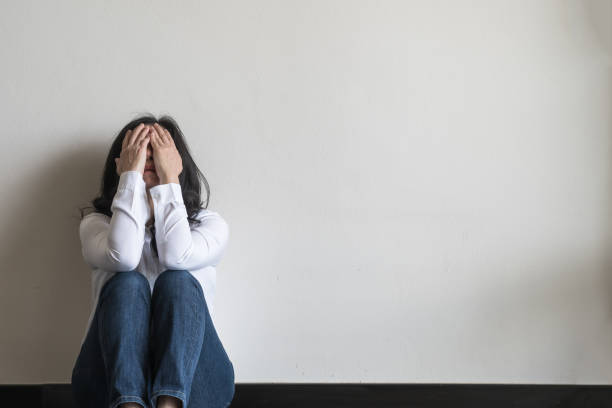
Anxiety is a mental health condition characterized by persistent and excessive worry that may not always be tied to a clear or immediate external trigger.
Unlike stress, which is situational, anxiety often continues even after a stressor is resolved. It can feel like the brain is constantly scanning for danger, even in safe environments.
Common Symptoms of Anxiety
Anxiety affects both the mind and body. Symptoms may include:
- Persistent worry or fear
- Racing thoughts
- Difficulty concentrating
- Muscle tension
- Rapid heartbeat
- Sleep disturbances
- Gastrointestinal discomfort
- Irritability or restlessness
Types of Anxiety Disorders
Clinically, anxiety can present in different forms such as:
- Generalized Anxiety Disorder (GAD)
- Panic Disorder
- Social Anxiety Disorder
- Specific Phobias
Each type varies in severity and triggers, but all involve patterns of excessive fear or worry that interfere with daily functioning.
When Anxiety Becomes a Disorder
Anxiety becomes clinically significant when it:
- Persists for weeks or months
- Interferes with work, school, or relationships
- Causes significant distress or avoidance behaviors
At that point, professional evaluation is often recommended.
Key Differences Between Stress and Anxiety
While stress and anxiety overlap in symptoms, their differences are important for diagnosis and treatment.
1. Trigger Source
- Stress is usually caused by an external event
- Anxiety may occur without a clear trigger
2. Duration
- Stress is typically short-term
- Anxiety tends to be long-lasting or recurring
3. Control and Resolution
- Stress often decreases when the situation is resolved
- Anxiety may persist even after the situation improves
4. Emotional Experience
- Stress feels like pressure or overwhelm
- Anxiety feels like persistent fear or anticipation of danger
5. Physical Response
Both can cause physical symptoms, but anxiety often creates ongoing bodily tension even in calm situations.
Clinically, providers evaluate these differences carefully because treatment strategies depend heavily on whether symptoms are stress-related or anxiety-driven.
How Stress and Anxiety Affect the Body
Both conditions activate the nervous system, but the duration and intensity of activation differ significantly.
Short-Term Effects
During acute stress, the body may experience:
- Increased heart rate
- Shallow breathing
- Heightened alertness
- Muscle tightness
These responses are temporary and typically resolve when the stressor ends.
Long-Term Effects of Chronic Stress and Anxiety
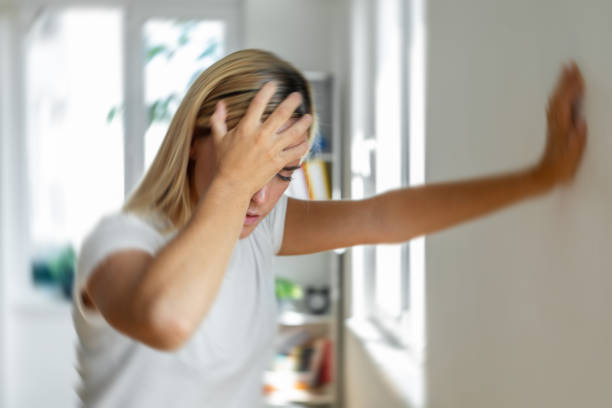
When stress or anxiety becomes chronic, the body remains in a heightened state of alertness. Over time, this can contribute to:
- Chronic fatigue and low energy
- Sleep disorders such as insomnia
- Headaches and migraines
- Digestive issues like IBS symptoms
- Weakened immune response
- Increased risk of cardiovascular problems
Long-term activation of the stress response system can also impact mood regulation, making individuals more vulnerable to depression and emotional exhaustion.
Who’s Most Vulnerable to Stress and Anxiety?
Anyone can experience stress or anxiety, but certain groups are more at risk due to environmental, psychological, or biological factors.
High-Risk Groups Include:
- Individuals in high-pressure jobs or caregiving roles
- Students facing academic pressure
- People experiencing financial instability
- Individuals with trauma history
- Those with family history of anxiety disorders
- Individuals with poor sleep habits or chronic fatigue
Biological and Lifestyle Factors
Additional contributors include:
- Hormonal changes (such as postpartum or thyroid imbalance)
- Substance use (including caffeine, alcohol, or stimulants)
- Lack of physical activity
- Chronic medical conditions
Understanding vulnerability factors helps clinicians identify early warning signs and provide preventive care.
Treatment Options for Stress and Anxiety
Treatment depends on severity, duration, and impact on daily life.
Lifestyle-Based Approaches
For mild stress or early anxiety symptoms, lifestyle interventions can be highly effective:
- Regular exercise to regulate stress hormones
- Sleep hygiene improvements
- Structured daily routines
- Mindfulness and relaxation techniques
- Reduced caffeine and alcohol intake

Therapy Options
Evidence-based therapies are a cornerstone of treatment, especially for anxiety disorders.
Cognitive Behavioral Therapy (CBT) helps individuals:
- Identify negative thought patterns
- Challenge irrational fears
- Develop healthier coping strategies
Other therapies may include:
- Exposure therapy (for phobias and panic disorders)
- Talk therapy for emotional processing
- Stress management counseling
Medication Options
In moderate to severe cases, medication may be recommended. These are prescribed by licensed clinicians and carefully monitored.
Medications may help:
- Reduce physical symptoms of anxiety
- Stabilize mood
- Improve daily functioning
Integrated Treatment Approach
The most effective outcomes often come from combining:
- Therapy
- Lifestyle changes
- Medical support when needed
Treatment is highly individualized and adjusted over time based on response.
Daily Coping Strategies
Small daily habits can significantly improve both stress and anxiety management.
Effective strategies include:
- Deep breathing exercises to calm the nervous system
- Grounding techniques to reduce overthinking
- Physical activity such as walking or yoga
- Consistent sleep schedule
- Limiting overstimulation (news, caffeine, social media)
- Social support from trusted individuals
Consistency is key. These strategies are most effective when practiced regularly rather than only during high-stress moments.
When to Seek Professional Help
It is important to seek help when symptoms begin interfering with daily life.
Warning signs include:
- Constant worry that feels uncontrollable
- Difficulty sleeping for extended periods
- Panic-like physical symptoms
- Avoidance of daily responsibilities
- Emotional exhaustion
Early intervention improves outcomes and prevents worsening symptoms. A mental health professional can help determine whether symptoms are related to stress, anxiety, or a combination of both.
Explore Treatment Options Today
Understanding stress vs anxiety is the first step toward better mental health. When symptoms persist or begin affecting daily functioning, professional support can make a meaningful difference.
At Mighty Mental Health, we provide comprehensive psychiatric care, ADHD and anxiety evaluations, and medication management for children, adolescents, and adults.
We are a psychiatry and mental health practice based in Las Vegas and Summerlin, Nevada, offering both telehealth visits and in-office consultations for flexible access to care.
We accept Nevada Medicaid, CareSource, Silver Summit, Health Plan of Nevada, Molina, and Anthem.
Care is led by Psychiatric Mental Health Nurse Practitioner Barbra Scheirer, who develops individualized treatment plans that may include therapy recommendations, diagnostic evaluation, and medication management when appropriate.
To schedule an appointment, contact us at 702-479-1600 or reach out through our contact form for compassionate, evidence-based care. Book a call now!
Frequently Asked Questions
Can stress turn into anxiety?
Yes. Chronic or unmanaged stress can evolve into anxiety if the nervous system remains in a prolonged state of activation.
How do I know if I have anxiety or just stress?
Stress is tied to an external trigger and improves when resolved, while anxiety persists even without a clear cause.
Is anxiety worse than stress?
Anxiety is generally more persistent and can have a greater impact on daily functioning compared to short-term stress.
Can stress and anxiety be treated?
Yes. Both conditions are treatable through therapy, lifestyle changes, and, when appropriate, medication.
References
- American Psychological Association (APA). Stress and Anxiety Research
- National Institute of Mental Health (NIMH). Anxiety Disorders Overview
- Centers for Disease Control and Prevention (CDC). Mental Health Data and Stress Reports
- World Health Organization (WHO). Mental Health Guidelines
- Mayo Clinic. Stress and Anxiety Symptoms and Treatment
- Clinical review and oversight by Barbra Scheirer, PMHNP, Mighty Mental Health