

Medically Reviewed By: Barbra Scheirer, PMHNP-BC
Title: Psychiatric Mental Health Nurse Practitioner
Organization: Mighty Mental Health
Last Medically Reviewed: May 2026
Reading Time: 8 Minutes
Depression treatment options include therapy, medication, healthy lifestyle changes, and advanced treatments that help reduce symptoms and support recovery.
Depression is one of the most common mental health conditions worldwide, affecting people of all ages, backgrounds, and lifestyles. While everyone experiences sadness or difficult emotions from time to time, depression goes beyond temporary feelings and can significantly impact a person’s thoughts, emotions, physical health, relationships, and ability to function in everyday life.
Many individuals wonder, what are some treatment options for depression and whether recovery is truly possible. The encouraging news is that depression is highly treatable. With the right combination of professional care, therapeutic support, medication when appropriate, and healthy lifestyle habits, many people experience significant improvement in their symptoms and quality of life.
Understanding the available treatment options for depression can help individuals make informed decisions about their mental health and seek the support they need. Because every person experiences depression differently, treatment plans are often personalized to address unique symptoms, circumstances, and goals.
Knowing Depression and Why Treatment Matters
Depression is a mood disorder characterized by persistent feelings of sadness, hopelessness, emptiness, or loss of interest in activities that once brought enjoyment. Symptoms may range from mild to severe and can affect emotional, cognitive, and physical well-being.
Common symptoms of depression include:
- Persistent sadness or low mood
- Loss of interest in hobbies and activities
- Changes in appetite or weight
- Difficulty sleeping or excessive sleeping
- Fatigue and low energy
- Trouble concentrating
- Feelings of worthlessness or guilt
- Irritability or frustration
- Thoughts of self-harm or suicide
Why Early Treatment Is Important
Seeking treatment early can prevent symptoms from worsening and reduce the risk of complications. Untreated depression may affect work performance, academic success, relationships, physical health, and overall quality of life.
Research consistently shows that individuals who receive appropriate treatment often experience better outcomes than those who attempt to manage depression alone. Early intervention can also help reduce the likelihood of recurring depressive episodes.

Psychotherapy for Depression
Psychotherapy, often called talk therapy, is one of the most effective treatment options for depression. Therapy provides a safe and supportive environment where individuals can explore thoughts, emotions, behaviors, and life experiences that may contribute to depressive symptoms.
Cognitive Behavioral Therapy (CBT)
Cognitive Behavioral Therapy is among the most widely researched approaches for depression treatment. CBT focuses on identifying negative thought patterns and replacing them with healthier, more realistic ways of thinking.
For example, someone who frequently thinks, “I always fail,” may learn to recognize evidence that challenges this belief and develop a more balanced perspective.
Interpersonal Therapy (IPT)
Interpersonal Therapy focuses on improving relationships and communication skills. Since relationship difficulties, grief, life transitions, and social isolation can contribute to depression, IPT helps individuals address these challenges in constructive ways.
Psychodynamic Therapy
Psychodynamic therapy explores how past experiences, unconscious patterns, and unresolved emotional conflicts may influence current mental health. This approach can provide deeper insight into recurring emotional struggles and relationship patterns.
Group and Family Therapy
Group therapy allows individuals to connect with others facing similar challenges, while family therapy helps improve communication and support within the family system. Both approaches can complement individual therapy and enhance recovery.
Medication Options for Depression
Medication is another commonly used treatment approach, particularly for moderate to severe depression. Antidepressants work by affecting neurotransmitters in the brain that influence mood and emotional regulation.
Selective Serotonin Reuptake Inhibitors (SSRIs)
SSRIs are often considered first-line medications due to their effectiveness and generally favorable side effect profile. Examples include medications that increase serotonin availability in the brain, helping improve mood over time.
Serotonin-Norepinephrine Reuptake Inhibitors (SNRIs)
SNRIs affect both serotonin and norepinephrine levels and may be beneficial for individuals who do not respond adequately to SSRIs.
A Personalized Medication Approach
Finding the right medication may take time. Healthcare providers consider factors such as symptom severity, medical history, potential side effects, and other medications before making recommendations.
Regular follow-up appointments are essential to monitor progress, adjust dosages when needed, and ensure the treatment remains effective.

Lifestyle Changes That Can Support Depression Treatment
While professional treatment remains important, lifestyle habits can significantly enhance recovery and support overall mental wellness.
Regular Physical Activity
Exercise has been shown to reduce symptoms of depression by promoting the release of endorphins and other brain chemicals associated with improved mood. Even moderate activities such as walking, swimming, or cycling can provide meaningful benefits.
Healthy Sleep Habits
Sleep and mental health are closely connected. Establishing a consistent sleep schedule, limiting screen time before bed, and creating a relaxing nighttime routine may improve both sleep quality and mood.
Balanced Nutrition
A nutritious diet supports brain function and overall health. Eating a variety of fruits, vegetables, whole grains, lean proteins, and healthy fats may help maintain energy levels and support emotional well-being.
Stress Management Techniques
Chronic stress can worsen depressive symptoms. Helpful stress-management practices may include:
- Mindfulness meditation
- Deep breathing exercises
- Journaling
- Yoga
- Spending time outdoors
- Engaging in enjoyable hobbies
Building Social Connections
Maintaining supportive relationships can help reduce feelings of isolation and loneliness. Even small social interactions can contribute positively to emotional health and resilience.
Advanced Treatments for Severe or Treatment-Resistant Depression
Some individuals continue to experience significant symptoms despite participating in therapy, taking medication, or making lifestyle changes. In these situations, advanced treatment approaches may be considered.
Transcranial Magnetic Stimulation (TMS)
TMS is a non-invasive procedure that uses magnetic pulses to stimulate specific areas of the brain involved in mood regulation. It is often recommended for individuals who have not responded adequately to traditional treatments.
Ketamine-Based Treatments
Ketamine-based therapies have gained attention for their potential to provide rapid symptom relief in certain individuals with treatment-resistant depression. These treatments are carefully administered and monitored by qualified healthcare professionals.
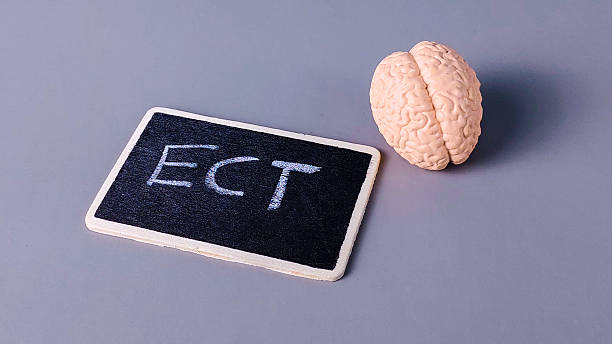
Electroconvulsive Therapy (ECT)
ECT remains one of the most effective treatments for severe depression, particularly when symptoms are debilitating or life-threatening. Modern ECT is performed under medical supervision with anesthesia and significantly differs from outdated portrayals often seen in media.
Combination Treatment Approaches
In many cases, the most successful outcomes result from combining multiple treatment methods. For example, therapy, medication, and lifestyle improvements may work together to address different aspects of depression.
How to Choose the Right Depression Treatment
Because depression affects each person differently, there is no universal treatment plan that works for everyone. The best approach often depends on several factors, including:
Severity of Symptoms
Mild depression may respond well to therapy and lifestyle modifications, while moderate or severe depression may require medication and more comprehensive treatment.
Personal Preferences
Some individuals prefer starting with therapy, while others may feel comfortable incorporating medication into their treatment plan. Discussing options openly with a healthcare provider can help determine the most appropriate path forward.
Medical and Mental Health History
Past treatment experiences, co-occurring conditions, and family history may influence treatment recommendations and expected outcomes.
Ongoing Monitoring and Adjustments
Treatment should be viewed as a process rather than a one-time decision. Regular communication with healthcare providers helps ensure the plan continues to meet changing needs over time.
Seek Professional Help for Depression
Understanding what are some treatment options for depression is an important first step toward recovery. Depression is a treatable condition, and many people experience meaningful improvement through therapy, medication management, healthy lifestyle changes, or advanced interventions when needed. The most effective treatment plans are personalized and designed to address each individual’s unique symptoms, challenges, and goals.
At Mighty Mental Health, we understand that seeking help can feel overwhelming, but you do not have to navigate depression alone. As a psychiatry and medication management office serving Las Vegas and Summerlin, Nevada, we provide comprehensive mental health care through both Telehealth visits and in-office consultations. Our Psychiatric Nurse Practitioner, Barbra Scheirer, works closely with patients to develop individualized treatment plans that may include medication management, therapy recommendations, and ongoing support.
We proudly accept Nevada Medicaid, CareSource, Silver Summit, Health Plan of Nevada, Molina, and Anthem. If you are exploring treatment options for depression and are ready to take the next step toward improved mental health, contact Mighty Mental Health today at 702-479-1600 or complete our online contact form to schedule an appointment.
Frequently Asked Questions
What are the most effective treatment options for depression?
The most effective treatment options for depression often include psychotherapy, antidepressant medication, lifestyle changes, or a combination of these approaches. The best treatment depends on the individual’s symptoms, medical history, and personal needs.
What type of therapy is best for depression?
Cognitive Behavioral Therapy (CBT) is widely considered one of the most effective therapies for depression. However, Interpersonal Therapy, Psychodynamic Therapy, and other evidence-based approaches may also be beneficial depending on the individual’s circumstances.
Can depression be treated without medication?
Yes, some individuals with mild to moderate depression may improve through therapy, exercise, stress management, social support, and other lifestyle interventions. However, medication may be recommended when symptoms are more severe or persistent.
Are antidepressants safe for long-term use?
For many individuals, antidepressants can be used safely for extended periods under medical supervision. Healthcare providers regularly monitor effectiveness, side effects, and ongoing needs to ensure treatment remains appropriate and beneficial.
References
- National Institute of Mental Health (NIMH). Depression: Overview, Symptoms, and Treatments.
- American Psychiatric Association (APA). Practice Guideline for the Treatment of Patients With Major Depressive Disorder.
- Centers for Disease Control and Prevention (CDC). Mental Health Conditions and Depression Resources.
- National Alliance on Mental Illness (NAMI). Depression Treatment and Support Information.
- Substance Abuse and Mental Health Services Administration (SAMHSA). Depression and Mental Health Treatment Resources.
- World Health Organization (WHO). Depression Fact Sheet.
- Mayo Clinic. Depression Diagnosis and Treatment.
- Cleveland Clinic. Depression: Symptoms, Causes, and Treatment Options.