
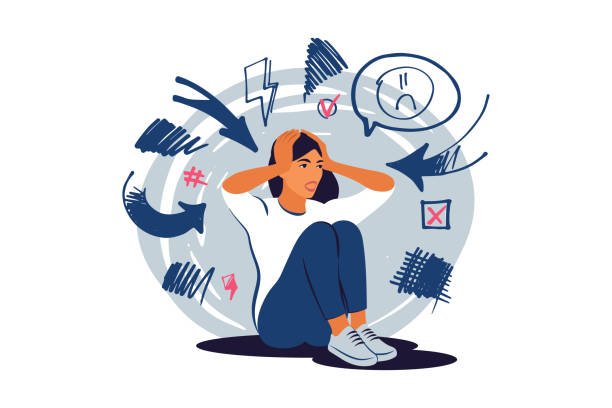
Anxiety disorders can develop from genetics, chronic stress, trauma, brain chemistry, personality traits, and medical conditions. Symptoms may affect emotions, sleep, focus, and daily life.
Many people ask what causes anxiety disorders because anxiety can feel confusing, unpredictable, and deeply personal. Some individuals experience constant worry for years, while others suddenly develop panic attacks after a stressful life event. Anxiety disorders are not simply about being nervous or overthinking. They are real mental health conditions that can affect relationships, work performance, sleep, physical health, and overall quality of life.
Research shows that anxiety disorders usually develop from a combination of biological, psychological, and environmental factors. Genetics may increase vulnerability, but experiences such as childhood trauma, chronic stress, grief, health problems, or substance use can also play a role. Understanding these contributing factors may help people recognize symptoms earlier and seek treatment before anxiety becomes overwhelming.
What Is an Anxiety Disorder?
An anxiety disorder is a mental health condition involving excessive fear, nervousness, or worry that becomes difficult to control. Occasional stress is a normal part of life, but anxiety disorders go beyond temporary concerns and may interfere with daily activities.
How Anxiety Affects the Brain and Body
When someone experiences anxiety, the body activates its stress response system. Heart rate may increase, muscles can tense, and thoughts may become focused on possible danger or uncertainty. In people with anxiety disorders, this response can become overactive even when no immediate threat exists.
Why Anxiety Disorders Should Not Be Ignored
Untreated anxiety may contribute to sleep problems, relationship difficulties, poor concentration, digestive issues, headaches, and emotional exhaustion. Some people avoid social situations, school, or work because symptoms become difficult to manage.

Different Types of Anxiety Disorders
Anxiety disorders can appear in several forms. Each type has unique symptoms and triggers, although they often overlap.
Generalized Anxiety Disorder
Generalized anxiety disorder involves ongoing and excessive worry about everyday situations. People may constantly fear problems involving finances, work, health, family, or future events. Many individuals searching what causes generalized anxiety disorder want to understand why worry becomes persistent even when life appears stable.
Panic Disorder
Panic disorder involves sudden episodes of intense fear called panic attacks. Symptoms may include chest pain, dizziness, shortness of breath, sweating, and a racing heartbeat.
Social Anxiety Disorder
Social anxiety disorder causes intense fear of embarrassment, criticism, or judgment in social situations. Public speaking, meeting new people, or even casual conversations may feel overwhelming.
Specific Phobias
Phobias involve extreme fear of certain objects, situations, or experiences such as heights, flying, or medical procedures.

How Common Are Anxiety Disorders?
Anxiety disorders are among the most common mental health conditions worldwide. Millions of adults and children experience anxiety symptoms each year. Despite how common these conditions are, many people delay treatment because they assume anxiety is just part of their personality or daily stress.
Anxiety Can Affect Anyone
Anxiety disorders affect people of different ages, backgrounds, and lifestyles. Some individuals develop symptoms during childhood or adolescence, while others notice anxiety later in adulthood after major life changes or traumatic experiences.
Why Cases Continue to Rise
Mental health professionals have observed increasing anxiety levels linked to financial pressure, social isolation, technology overload, academic stress, workplace burnout, and uncertainty about the future. Constant exposure to stressful information may also contribute to heightened anxiety symptoms.
What Are the Symptoms of Anxiety Disorders?
Symptoms of anxiety disorders vary from person to person. Some people mainly experience emotional symptoms, while others notice physical changes first.
Emotional Symptoms
Common emotional symptoms include excessive worry, irritability, fear, restlessness, difficulty relaxing, racing thoughts, and feelings of dread.
Physical Symptoms
Anxiety may also cause fatigue, headaches, muscle tension, nausea, sweating, rapid heartbeat, dizziness, stomach discomfort, and sleep disturbances.
Behavioral Changes
People with anxiety disorders sometimes avoid places, situations, or conversations that trigger fear. Over time, avoidance can limit independence and reduce confidence.

What Causes Anxiety Disorders?
There is no single explanation for what causes anxiety disorders. In most cases, several factors work together.
Genetics and Family History
Research suggests anxiety disorders can run in families. A person with close relatives who struggle with anxiety may have a higher risk of developing similar symptoms. Genetics may influence how the brain responds to stress and fear.
Brain Chemistry and Hormones
Brain chemicals such as serotonin, dopamine, and gamma-aminobutyric acid help regulate mood and emotional responses. Imbalances involving these neurotransmitters may contribute to anxiety symptoms.
Hormonal fluctuations can also influence anxiety levels. Some people experience worsening symptoms during pregnancy, menopause, thyroid disorders, or other medical conditions affecting hormone regulation.
Trauma and Stressful Experiences
Childhood neglect, abuse, bullying, accidents, grief, or witnessing violence may increase the likelihood of anxiety disorders later in life. Many people researching what causes generalized anxiety disorder discover that unresolved stress or trauma often contributes to persistent worry patterns.
Long-term stress from work pressure, financial instability, caregiving responsibilities, or unhealthy relationships may also keep the nervous system in a constant state of alertness.
Personality and Learned Behaviors
People with highly sensitive personalities or perfectionist tendencies may be more vulnerable to anxiety. Children sometimes learn anxious thinking patterns by observing fearful or overly stressed adults.
Medical Conditions and Substance Use
Certain health conditions including chronic pain, heart disease, respiratory disorders, and thyroid problems may increase anxiety symptoms. Alcohol misuse, stimulant use, caffeine, and some medications can also worsen anxiety.
How Are Anxiety Disorders Diagnosed?
Mental health providers diagnose anxiety disorders by reviewing symptoms, medical history, emotional patterns, and daily functioning. There is no single blood test that confirms anxiety disorders.
Mental Health Evaluations
Providers may ask about sleep, stress levels, physical symptoms, family history, and emotional triggers. Honest communication is important because anxiety symptoms sometimes overlap with other medical or mental health conditions.
Rule Out Other Conditions
Healthcare professionals may recommend medical testing to rule out thyroid problems, heart conditions, hormonal imbalances, or medication side effects contributing to anxiety symptoms.

How Are Anxiety Disorders Treated?
Anxiety disorders are treatable, and many people improve with proper support.
Therapy and Counseling
Cognitive behavioral therapy is one of the most common treatments for anxiety disorders. Therapy helps people recognize unhealthy thought patterns, manage triggers, and build healthier coping strategies.
Medication Management
Some individuals benefit from medication to help regulate anxiety symptoms. Providers may prescribe antidepressants, anti-anxiety medications, or other treatments depending on a person’s needs and medical history.
Lifestyle Changes and Daily Habits
Regular exercise, balanced sleep, mindfulness practices, reduced caffeine intake, healthy boundaries, and stress management techniques may support long-term recovery.
See Healthcare Provider Today
Understanding what causes anxiety disorders may help people realize they are not alone and that effective treatment is available. Anxiety symptoms can feel exhausting, but support from experienced mental health professionals can make daily life more manageable.
Mighty Mental Health is a psychiatry and medication management office serving Las Vegas and Summerlin, Nevada. The practice offers both Telehealth visits and in-office consultations for individuals seeking compassionate mental health care.
The team accepts Nevada Medicaid, CareSource, Silver Summit, Health Plan of Nevada, Molina, and Anthem. Comprehensive treatment plans may include medication management, therapy recommendations, and personalized psychiatric support tailored to each patient’s situation.
Psychiatric Nurse Practitioner Barbra Scheirer works with patients experiencing anxiety disorders, depression, ADHD, and stress-related concerns. If you or someone you love is struggling with anxiety symptoms, contact Mighty Mental Health today at 702-479-1600 or reach out through the practice contact form.

Frequently Asked Questions
Can genetics cause anxiety disorders?
Yes, genetics may increase the likelihood of developing anxiety disorders. People with a family history of anxiety may inherit traits linked to stress sensitivity and emotional regulation.
Can childhood trauma lead to anxiety disorders?
Yes, traumatic childhood experiences such as abuse, neglect, bullying, or unstable environments may increase the risk of anxiety disorders later in life.
Does stress cause anxiety disorders?
Chronic stress can contribute to anxiety disorders, especially when stress continues for long periods without healthy coping strategies or emotional support.