Mighty Mental Health

Insomnia

Category: Insomnia

Why Insomnia Is on the Rise in Las Vegas

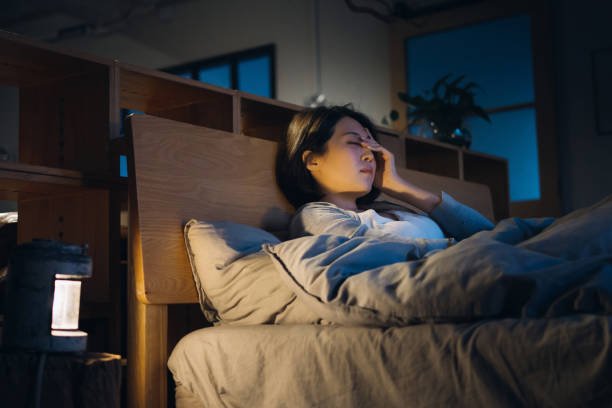
Las Vegas may be known as the city that never sleeps, but for many residents, that saying isn’t just a catchy slogan—it’s their reality. Increasingly, people across the city are struggling with insomnia—difficulty falling asleep, staying asleep, or waking up too early and not feeling rested. Whether it’s the bright lights, the demanding shift work, or stress from the fast-paced lifestyle, insomnia in Las Vegas is emerging as a major public health concern.

This isn’t just a case of a few restless nights. Chronic insomnia can affect energy, concentration, mood, and long-term health. As sleepless nights turn into mental fatigue and physical exhaustion, many locals are left searching for answers—and relief.

What Is Insomnia and Why It’s a Growing Problem

Insomnia isn’t just about tossing and turning; it’s a sleep disorder that disrupts your ability to function during the day. Some people struggle to fall asleep, while others wake up multiple times or too early and can’t get back to sleep. Insomnia can be acute, lasting a few days or weeks due to stress or changes in environment, or chronic, persisting for a month or longer and requiring medical attention.

The modern world has introduced several factors that make insomnia more prevalent—technology use, work-life imbalance, and high stress levels. In cities like Las Vegas, where stimulation is constant and schedules often nontraditional, these pressures are amplified. According to national sleep studies, over one-third of Americans aren’t getting enough sleep, and urban centers like Las Vegas are seeing even higher rates.

Insomnia doesn’t just affect your night. Over time, it chips away at memory, immune function, emotional regulation, and overall quality of life. If left untreated, it can even increase the risk of conditions like high blood pressure, diabetes, depression, and heart disease.

What Is Insomnia and Why It’s a Growing Problem

Why Las Vegas Residents Are Losing Sleep

Life in Las Vegas is far from ordinary. The city operates on a 24-hour clock, with casinos, hotels, and entertainment venues buzzing around the clock. This all-hours lifestyle, while exciting, can disrupt the body’s natural rhythm—our internal clock, known as the circadian rhythm, thrives on consistency, darkness, and routine. In Vegas, those elements are often hard to come by.

Additionally, Las Vegas residents often work in industries that rely on overnight or rotating shifts—hospitality, security, healthcare, and gaming. These unpredictable hours throw off sleep-wake cycles and make it difficult to maintain healthy sleep hygiene.

Environmental factors also play a role. Blazing desert temperatures, especially in the summer months, can make it hard to sleep, even with air conditioning. And in densely populated areas, noise from traffic, nightlife, and neighbors can be another culprit.

On top of this, economic stress, housing instability, and rising costs of living add mental burdens that keep residents up at night. In a city built for stimulation and entertainment, it’s no surprise that rest often takes a back seat.

Why Las Vegas Residents Are Losing Sleep

Common Causes of Insomnia in the City That Never Sleeps

There are many reasons why insomnia is especially prevalent in Las Vegas. Here are a few of the most common:

Shift Work: 

Hospitality and tourism demand 24/7 staffing, often leading to overnight or rotating shifts that confuse the body’s internal clock.

Excessive Light and Noise: 

Constant artificial light and environmental noise can interrupt sleep cycles and prevent deep rest.

Climate: 

Hot, dry weather can cause discomfort and dehydration—both of which interfere with restful sleep.

Anxiety and Overstimulation: 

The city’s high energy can lead to sensory overload, especially in those who are sensitive to noise or crowds.

Technology Use: 

Like in most major cities, heavy screen time—especially before bed—interferes with melatonin production and delays sleep onset.

Common Causes of Insomnia in the City That Never Sleeps

Practical Tips to Improve Your Sleep Tonight

You don’t have to move out of Las Vegas to get better sleep. While environmental changes help, there are simple habits that can drastically improve your rest:

1. Create a Sleep-Friendly Environment

Use blackout curtains, turn on a fan or white noise machine, and keep your room cool and clutter-free.

2. Limit Screen Time at Night

Avoid phones, TVs, and laptops at least 30–60 minutes before bedtime. Try reading or journaling instead.

3. Stick to a Routine

Go to bed and wake up at the same time—even on weekends. This consistency trains your brain when to wind down.

4. Cut Caffeine and Alcohol

Caffeine lingers in your system for hours, and alcohol disrupts REM sleep. Avoid both within 4–6 hours of bedtime.

5. Use Relaxation Tools

Deep breathing, mindfulness apps, or progressive muscle relaxation can ease your body into sleep mode.

6. Stay Active—But Not Too Late

Regular exercise improves sleep, but try to wrap up workouts at least a few hours before bedtime.

Practical Tips to Improve Your Sleep Tonight

The Role of CBT-I and Professional Help

If basic changes don’t help, don’t give up—there’s more you can do. Cognitive Behavioral Therapy for Insomnia (CBT-I) is a proven, structured approach that addresses the thought patterns and habits keeping you awake. It’s not about medication; it’s about reshaping your relationship with sleep.

CBT-I helps identify negative beliefs about sleep, break unhealthy routines, and introduce techniques like stimulus control and sleep restriction to reset your sleep cycle. It’s considered the gold standard in treating chronic insomnia, even more effective than sleep medications over the long term.

For many Las Vegas residents, combining CBT-I with professional mental health support—especially for underlying issues like anxiety or depression—can result in significant improvements in sleep quality and overall well-being.

The Role of CBT-I and Professional Help

Local Resources for Sleep Support in Las Vegas

If you’ve been struggling with insomnia in Las Vegas, know that help is nearby. At Mighty Mental Health, we understand how frustrating and draining it can be to live without proper rest. That’s why we offer comprehensive care treatment plans tailored to your needs.

Whether it’s therapy, CBT-I, medication management, or lifestyle coaching, our team—led by experienced Psychiatric Nurse Practitioner, Barbra Scheirer—works with you to design a sleep recovery plan that’s realistic and sustainable.

We are a psychiatry and medication management office in Las Vegas, NV, offering both Telehealth visits and in-office consultations in Summerlin. No long waits, no unnecessary barriers—just compassionate, evidence-based care that puts your well-being first.

You don’t have to face insomnia alone. Contact us today at 702-479-1600, or get started by submitting a request through our contact form. Your path to better sleep starts now.

Mighty Mental Health

Frequently Asked Questions:

When should I seek professional help for insomnia?

If sleep issues persist for more than three weeks, start interfering with your daytime activities, or are causing emotional distress, it’s time to consult a professional. The sooner you get help, the easier it is to reverse sleep problems before they become chronic.

What is CBT-I and how does it help with insomnia?

Cognitive Behavioral Therapy for Insomnia (CBT-I) is a structured program that targets the thoughts and behaviors preventing sleep. Unlike medication, it addresses the root of insomnia and gives you lifelong tools to improve sleep naturally. It’s often offered by licensed mental health providers or sleep specialists.

Are there local, non-medical treatments available in Las Vegas?

Yes! In addition to services offered by Mighty Mental Health, you can explore mindfulness centers, yoga studios, sleep coaching, acupuncture, and holistic wellness practices that complement your care. These options can be powerful additions to your overall wellness strategy.

In summary, insomnia in Las Vegas is more than just a nuisance—it’s a growing concern with real consequences. Fortunately, solutions exist, and help is available right in your community. With the right strategies and support, restful nights and productive days are entirely within reach.

Category: Insomnia

Treatment of Insomnia in the Elderly: An Overview

Insomnia is a prevalent sleep disorder among older adults, affecting their ability to fall asleep or maintain restful sleep throughout the night. The impact of chronic sleep deprivation in seniors is significant, leading to increased risks of cognitive decline, mood disorders, weakened immune function, and cardiovascular issues. Sleep disturbances can also contribute to falls and accidents, further reducing the quality of life in elderly individuals.

Understanding the treatment of insomnia in elderly individuals is crucial to improving their overall well-being. A variety of treatment approaches, including lifestyle modifications, behavioral therapies, and medications, can help manage insomnia effectively. By addressing the root causes and implementing appropriate interventions, seniors can achieve better sleep quality, leading to improved physical and mental health.

Causes and Risk Factors of Insomnia in Seniors

Several factors contribute to insomnia in older adults. Identifying these underlying causes is the first step toward effective treatment. Some of the most common causes and risk factors include:

Age-Related Changes: 

As people age, they experience shifts in their sleep patterns. Older adults often spend less time in deep sleep stages, making them more susceptible to frequent awakenings and fragmented sleep.

Medical Conditions: 

Chronic illnesses such as arthritis, heart disease, diabetes, and respiratory disorders can cause discomfort and pain, interfering with sleep. Gastroesophageal reflux disease (GERD) and restless leg syndrome (RLS) are also common conditions that contribute to insomnia.

Medication Side Effects: 

Many older adults take multiple medications, some of which may have side effects that disrupt sleep. For example, certain blood pressure medications, antidepressants, and corticosteroids can contribute to sleep disturbances.

Causes and Risk Factors of Insomnia in Seniors

Mental Health Issues: 

Anxiety and depression are common in older adults and can significantly impact sleep quality. Stress related to life changes such as retirement, loss of loved ones, or declining health can also trigger insomnia.

Lifestyle Factors: 

Poor sleep hygiene, including irregular sleep schedules, excessive daytime napping, lack of physical activity, and consumption of stimulants such as caffeine or alcohol before bedtime, can contribute to insomnia.

Cognitive Decline:

Neurodegenerative diseases like Alzheimer’s and Parkinson’s disease can disrupt circadian rhythms, making it harder for seniors to maintain a healthy sleep cycle.

Treatment of Insomnia in Elderly

Treating insomnia in the elderly requires a holistic approach that considers medical, psychological, and lifestyle factors. Below are the primary treatment options:

Nonpharmacologic Therapy

Many seniors benefit from behavioral and environmental interventions before resorting to medication. These evidence-based techniques can improve sleep quality naturally and sustainably.

  • Stimulus Control Therapy: This method aims to reinforce the connection between the bed and sleep. Seniors should establish a consistent bedtime routine, use the bed only for sleeping (not for watching TV or reading), and avoid staying in bed when unable to sleep.
  • Relaxation Methods: Relaxation techniques, such as deep breathing exercises, progressive muscle relaxation, guided imagery, and mindfulness meditation, can help calm the mind and body. When combined with wearing compression socks, these methods may also help ease leg discomfort, making it easier to relax and promote better sleep.
  • Sleep Restriction Therapy: This approach limits the amount of time spent in bed to match actual sleep duration. By gradually increasing sleep time, individuals can improve sleep efficiency and reduce nighttime wakefulness.
  • Remaining Passively Awake (Paradoxical Intention): For individuals who struggle with performance anxiety related to sleep, staying awake intentionally can help reduce the pressure to fall asleep, ultimately making sleep come more naturally.
  • Light Therapy: Exposure to bright light, particularly in the morning, helps regulate circadian rhythms. Seniors who experience disrupted sleep cycles due to limited daylight exposure can benefit from light therapy sessions.
Treatment of Insomnia in Elderly

Over-the-Counter (OTC) Therapy

Some seniors turn to OTC treatments to manage insomnia. While these options can be helpful, they should be used with caution and under medical supervision.

  • Melatonin Supplements: Melatonin is a hormone that regulates sleep-wake cycles. Taking melatonin supplements can be effective for seniors who struggle with circadian rhythm disturbances, although its effectiveness varies among individuals.
  • Antihistamines: Some OTC sleep aids contain antihistamines like diphenhydramine, which can induce drowsiness. However, these medications can cause grogginess, dizziness, and confusion in seniors, making them unsuitable for long-term use.

Prescription Medication

In cases where behavioral therapies and OTC remedies are insufficient, prescription medications may be considered. These should always be prescribed by a healthcare provider and used cautiously due to potential side effects and dependency risks.

  • Benzodiazepines: Medications such as lorazepam and temazepam can help with sleep initiation and maintenance. However, they come with risks of dependence, cognitive impairment, and an increased likelihood of falls.
  • Non-Benzodiazepine Hypnotics: Medications like zolpidem (Ambien) and eszopiclone (Lunesta) are prescribed to aid sleep with fewer side effects compared to benzodiazepines. These drugs should be used for short periods to minimize dependency.
  • Antidepressants: Low-dose antidepressants such as trazodone and mirtazapine may be prescribed to treat insomnia in seniors who also have depression or anxiety.

Changing Sleep Patterns and Environment

Creating an optimal sleep environment and adopting healthy habits can significantly improve sleep quality in seniors:

  • Maintaining a Consistent Sleep Schedule: Going to bed and waking up at the same time daily helps regulate the body’s internal clock.
  • Creating a Comfortable Sleep Environment: A cool, quiet, and dark room with a supportive mattress and pillow can enhance sleep quality.
  • Limiting Stimulants: Avoiding caffeine, nicotine, and alcohol before bedtime can prevent sleep disruptions.
  • Encouraging Daytime Activity: Regular physical activity, even light exercises like walking or stretching, can promote better sleep.
Changing Sleep Patterns and Environment

When to Seek Professional Help for Insomnia?

If insomnia persists despite lifestyle modifications and OTC remedies, professional intervention may be necessary. Seniors should seek medical help if they experience:

  • Difficulty sleeping for more than three nights a week over an extended period.
  • Daytime fatigue, irritability, or concentration issues.
  • Underlying medical conditions worsening due to lack of sleep.
  • Symptoms of anxiety, depression, or cognitive decline.

Get Help from the Experts

For those struggling with chronic insomnia, professional guidance can make a significant difference. At Mighty Mental Health, we provide comprehensive care treatment plans tailored to treating insomnia in the elderly. Our expert team specializes in a well-rounded approach to care, which may include prescribing medications, recommending therapy, and offering behavioral strategies to improve sleep quality.

Located in Las Vegas, NV, Mighty Mental Health is a leading provider of psychiatry and medication management services. We offer Telehealth visits and in-office consultations for a wide range of mental health conditions, including ADHD testing and treatment, as well as support for issues such as addiction, adult ADHD, bulimia nervosa, depression, and more.

Contact us today at 702-479-1600 or fill out our contact form to schedule an appointment.

Mighty Mental Health

Frequently Asked Questions

Are prescription sleep medications safe for elderly individuals?

Prescription sleep medications can be safe when used appropriately under a doctor’s supervision. However, they carry risks such as drowsiness, cognitive impairment, and dependency. Behavioral therapies are often recommended as the first line of treatment.

Can melatonin help treat insomnia in seniors?

Melatonin supplements can be effective for seniors experiencing circadian rhythm disturbances. However, they should be taken in consultation with a healthcare provider to determine the appropriate dosage and avoid interactions with other medications.

How much sleep do seniors need?

Most older adults require 7 to 9 hours of sleep per night for optimal health. However, individual sleep needs may vary. If insomnia persists, professional evaluation may be necessary.

By addressing insomnia through a combination of therapies and professional support, seniors can achieve better sleep and an improved quality of life.

Scroll to Top