
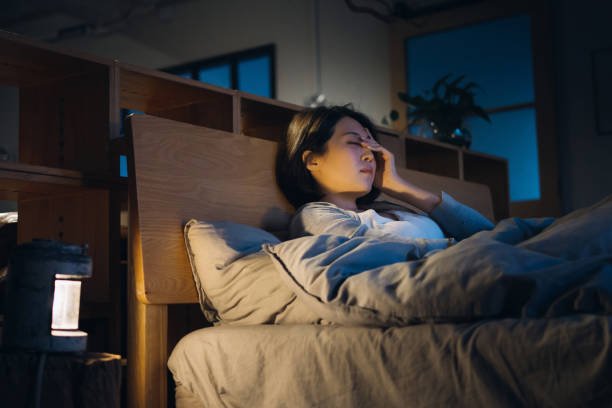
Anxiety can cause insomnia by keeping your mind and body in a state of hyperarousal, making it difficult to fall asleep, stay asleep, and feel rested the next day.
Anxiety and insomnia often show up together, and for many people, it’s hard to tell which one started first. You might go to bed feeling exhausted, only to find your mind racing with worries, replaying conversations, or anticipating problems that haven’t even happened. Over time, this pattern can turn occasional sleepless nights into a persistent cycle.
Clinically, anxiety is more than just stress. It involves ongoing feelings of nervousness, fear, or unease that can affect your physical health, concentration, and daily functioning. Insomnia, on the other hand, is defined as difficulty falling asleep, staying asleep, or waking up too early and not being able to return to sleep. When these two conditions overlap, they can reinforce each other in ways that are difficult to break without proper support.
In real life, this might look like someone who feels constantly “on edge” during the day and then struggles to switch off at night. Even when the body is tired, the mind refuses to slow down. This mismatch between physical exhaustion and mental alertness is one of the most frustrating aspects of anxiety and insomnia.
Understanding how anxiety and insomnia interact is the first step toward finding real relief. When you recognize that your sleep struggles may be connected to your mental state, it becomes easier to explore solutions that actually address the root of the problem.
The Link Between Anxiety and Insomnia
The connection between anxiety and insomnia is deeply rooted in how the brain responds to perceived threats. When you’re anxious, your body activates what’s known as the “fight-or-flight” response. This is helpful in dangerous situations, but when it becomes chronic, it keeps your body alert even when you’re trying to rest.
People experiencing insomnia and anxiety often describe a loop: anxiety makes it hard to sleep, and the lack of sleep increases anxiety the next day. This creates a reinforcing cycle where both conditions worsen over time.
Why This Cycle Happens
One key reason is hyperarousal. Your nervous system stays “on,” even at night. Instead of winding down, your brain remains active, scanning for potential problems.
Another factor is cognitive rumination. Many individuals with anxiety lie awake thinking about worst-case scenarios, deadlines, or personal concerns. This mental activity delays sleep onset and reduces sleep quality.
There’s also a behavioral component. After several nights of poor sleep, you may begin to dread bedtime. You might check the clock frequently or worry about how tired you’ll be the next day. This anticipation alone can make falling asleep even harder, reinforcing the insomnia and anxiety cycle.
Over time, your brain may even begin to associate bedtime with stress rather than relaxation, making insomnia more persistent.
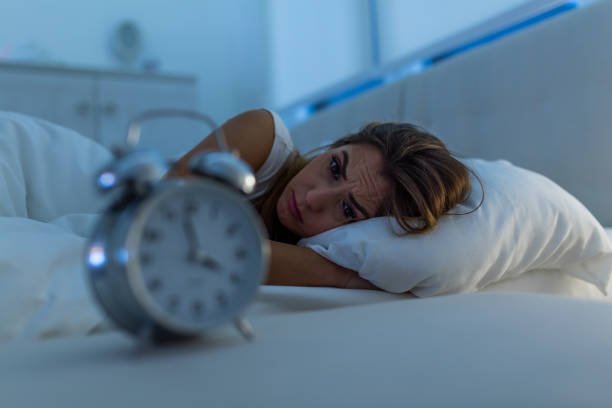
How Anxiety Affects Your Sleep
Anxiety doesn’t just make it harder to fall asleep, it can affect every stage of sleep.
Difficulty Falling Asleep
You may feel physically tired but mentally alert. Thoughts can feel intrusive, repetitive, and hard to control. Even small concerns can seem overwhelming at night. For example, something minor like an unfinished task can spiral into a larger worry about productivity or future consequences.
Frequent Night Awakenings
Anxiety can cause you to wake up multiple times during the night. These awakenings are often accompanied by a surge of worry or physical tension, making it difficult to fall back asleep. Some people even wake up with a sense of panic without immediately knowing why.
Poor Sleep Quality
Even if you manage to sleep for several hours, the sleep may not feel restorative. Anxiety can reduce the amount of deep sleep and REM sleep, both of which are essential for emotional regulation and cognitive function. As a result, you may wake up feeling just as tired as when you went to bed.
Early Morning Waking
Some people with insomnia and anxiety wake up very early and cannot return to sleep. This is often linked to anticipatory stress about the day ahead. Thoughts about responsibilities, deadlines, or social interactions can immediately flood the mind, making rest impossible.
Anxiety-Induced Insomnia Symptoms
Recognizing the symptoms of anxiety-induced insomnia can help you determine whether your sleep issues are connected to underlying anxiety.
Common Symptoms Include:
- Trouble falling asleep despite feeling tired
- Racing thoughts at bedtime
- Muscle tension or restlessness
- Waking up during the night with worry
- Feeling unrefreshed after sleep
- Increased irritability or difficulty concentrating during the day
These symptoms can vary in intensity. Some nights may feel manageable, while others can be overwhelming, especially during periods of heightened stress.
Emotional and Physical Signs
You might also notice physical symptoms like a rapid heartbeat, shallow breathing, or sweating at night. Emotionally, there may be a sense of dread or unease that intensifies as bedtime approaches.
For some, bedtime becomes the most stressful part of the day. Instead of looking forward to rest, it feels like a challenge to overcome. This emotional response is a strong indicator that anxiety is playing a role in sleep disruption.
These symptoms are not just frustrating, they can interfere with work, relationships, and overall well-being if left unaddressed.
How to Know if You Have Insomnia
Not every restless night qualifies as insomnia. Occasional sleep disruptions are normal, especially during stressful periods. However, insomnia becomes a concern when it is persistent and affects your daily life.
Key Indicators of Insomnia
- Difficulty sleeping at least three nights per week
- Symptoms lasting for three months or longer
- Daytime fatigue or low energy
- Trouble focusing or remembering things
- Mood disturbances such as irritability or anxiety
You might also notice changes in your daily habits. For instance, relying heavily on caffeine to stay alert or feeling less motivated to engage in activities you usually enjoy.
Short-Term vs. Chronic Insomnia
Short-term insomnia often occurs during life changes, such as starting a new job or dealing with a stressful event. Chronic insomnia, however, tends to persist even after the initial trigger is gone.
When insomnia and anxiety occur together, it’s important to address both conditions rather than focusing on sleep alone. Treating one without the other may provide only temporary relief.
Is Insomnia Genetic or Triggered by Anxiety?
Insomnia can have multiple causes, and the answer isn’t always one or the other. Both genetics and environmental factors play a role.
Genetic Factors
Some individuals may have a genetic predisposition to sleep difficulties. This can include a naturally lighter sleep pattern or a heightened sensitivity to stress. If sleep issues run in your family, you may be more vulnerable to developing insomnia under pressure.
Environmental and Psychological Triggers
For many people, insomnia is triggered by anxiety, life stressors, or changes in routine. Work pressure, financial concerns, relationship issues, or health worries can all contribute.
Even positive life changes, like starting a new opportunity, can create enough mental stimulation to disrupt sleep.
The Combined Effect
In many cases, genetics may make someone more vulnerable, while anxiety acts as the trigger. This combination can make insomnia more persistent and harder to manage without targeted treatment.
Understanding your personal triggers is key. Identifying whether your insomnia is primarily driven by anxiety can help guide the most effective treatment approach.
Explore Treatment Options for Insomnia
Treating insomnia and anxiety together often leads to better outcomes than addressing either condition alone. A well-rounded approach can include both behavioral strategies and medical support.
Lifestyle and Behavioral Strategies
- Establishing a consistent sleep schedule
- Limiting screen time before bed
- Practicing relaxation techniques such as deep breathing or meditation
- Avoiding caffeine and heavy meals late in the day
In addition, creating a calming bedtime routine, like reading, taking a warm shower, or listening to soft music, can signal to your body that it’s time to wind down.
Therapy Options
Cognitive Behavioral Therapy for Insomnia (CBT-I) is one of the most effective treatments. It helps reframe negative thoughts about sleep and build healthier habits.
For anxiety, therapy can address underlying worries and teach coping mechanisms that reduce nighttime rumination. Techniques such as journaling before bed or guided relaxation can also help quiet the mind.
Medication Management
In some cases, medication may be recommended to manage symptoms of anxiety or improve sleep. This should always be guided by a qualified healthcare provider to ensure safety and effectiveness. Medication can be especially helpful for individuals whose symptoms are severe or persistent.
Comprehensive Care with Mighty Mental Health
If anxiety and insomnia are affecting your daily life, seeking professional support can make a meaningful difference. Mighty Mental Health is a psychiatry and medication management office serving Las Vegas and Summerlin, NV, offering both Telehealth visits and in-office consultations.
Their care approach is comprehensive and personalized, addressing both anxiety and insomnia through a combination of therapy recommendations and, when appropriate, medication management. Treatment plans are tailored to each individual, ensuring that both the root cause and symptoms are addressed.
Mighty Mental Health works with several major insurance providers, including Nevada Medicaid, CareSource, Silver Summit, Health Plan of Nevada, Molina, and Anthem. Care is provided by experienced professionals, including Psychiatric Nurse Practitioner Barbra Scheirer, who focuses on creating balanced, effective treatment strategies.
If you’re struggling with insomnia and anxiety, you don’t have to manage it alone. Early support can prevent symptoms from worsening and help you regain control over your sleep. Contact Mighty Mental Health today at 702-479-1600 or reach out through their contact form to begin a path toward better sleep and improved mental well-being.

Frequently Asked Questions
Why does anxiety get worse at night?
At night, there are fewer distractions, which can make worries feel more intense. The brain shifts focus inward, and unresolved thoughts or concerns can become more noticeable. Additionally, fatigue can lower emotional resilience, making anxiety feel stronger.
Another reason is that nighttime often represents a pause from daily activity. Without external tasks to focus on, your mind may revisit unresolved issues, making them feel more urgent than they actually are.
How do I know if my insomnia is caused by anxiety?
If your sleep difficulties are accompanied by racing thoughts, excessive worry, or physical symptoms like tension and restlessness, anxiety may be a contributing factor. Keeping a sleep journal can help identify patterns between your thoughts and sleep quality.
You might also notice that your sleep improves during less stressful periods, which is another sign that anxiety plays a role.
Can lack of sleep increase anxiety?
Yes, lack of sleep can significantly increase anxiety. Sleep is essential for emotional regulation, and when it’s disrupted, the brain becomes more reactive to stress. This can make everyday challenges feel more overwhelming and intensify existing anxiety symptoms.
Over time, this creates a cycle where poor sleep fuels anxiety, and anxiety continues to disrupt sleep, making it important to address both issues together.