

Medically reviewed by Barbra Scheirer,
Psychiatric Mental Health Nurse Practitioner at Mighty Mental Health
Last medically reviewed: September 21, 2026
Anxiety is diagnosed through a clinical evaluation that reviews symptoms, history, and daily impact using DSM-5 criteria, not through a single lab test or blood panel.
Many people searching for answers about their own worry, restlessness, or racing thoughts want to know exactly how anxiety is diagnosed before they book an appointment. The process isn’t as mysterious as it might seem, but it also isn’t as simple as filling out one quiz. Understanding how anxiety disorder is diagnosed can make the idea of seeking help feel a lot less intimidating.
Anxiety evaluations are built around conversation, observation, and established clinical criteria. A qualified provider gathers information about symptoms, how long they’ve lasted, and how much they interfere with daily life. From there, they compare what they’re hearing against recognized diagnostic standards to determine whether an anxiety disorder, or something else entirely, is the underlying issue.
Can Anxiety Be Diagnosed by a Single Test?
Why There’s No One-Size-Fits-All Test
There isn’t a blood test, scan, or single questionnaire that can confirm an anxiety disorder on its own. Anxiety is diagnosed based on a pattern of symptoms and their impact over time, not a single data point.
The Role of Screening Tools
Screening tools like the GAD-7 are commonly used, but they’re a starting point rather than a final answer. A high score suggests anxiety symptoms are present and worth discussing further; it doesn’t replace a full clinical evaluation with a provider who can rule out other explanations.
Signs It May Be Time to Get Evaluated
Some people may experience anxiety symptoms occasionally without needing formal evaluation, while for others, symptoms build gradually until they start affecting work, relationships, or sleep. It may be worth scheduling an evaluation if you notice:
- Persistent worry that’s hard to control, most days, for several weeks or longer
- Physical symptoms like a racing heart, muscle tension, or trouble sleeping without a clear medical cause
- Avoiding situations, places, or responsibilities because of anxious feelings
- Difficulty concentrating at work or school due to intrusive worry
- Anxiety that feels disproportionate to the actual situation
Symptoms can vary from person to person, so this list isn’t exhaustive. If something feels persistently off, that alone is a reasonable enough reason to talk to a professional.

What Happens During an Anxiety Evaluation
The Initial Conversation
Most evaluations begin with an open conversation. Providers typically ask about current symptoms, when they started, and what tends to make them better or worse. This part of the visit is less clinical checklist and more genuine dialogue, since context often matters as much as the symptoms themselves.
Reviewing Medical and Mental Health History
A thorough evaluation also looks at physical health, past mental health treatment, medications, and family history. Some anxiety symptoms overlap with thyroid issues, heart conditions, or medication side effects, so ruling those out matters. A provider may ask about caffeine intake, sleep patterns, or recent life changes, since these factors can influence how anxiety symptoms present.
Standardized Questionnaires
Providers often use tools like the GAD-7 or similar screeners to quantify symptom severity in a consistent way. These results are combined with the clinical interview rather than used alone, since a questionnaire can’t capture nuance the way a conversation can.
Discussing Daily Functioning
A key part of the evaluation is understanding how symptoms affect daily life, work performance, relationships, and routines. This context helps distinguish everyday stress from a diagnosable anxiety disorder. A provider might ask how symptoms have changed over recent months, or whether certain situations consistently trigger a stronger reaction.
How Providers Use DSM-5 Criteria
What the DSM-5 Is
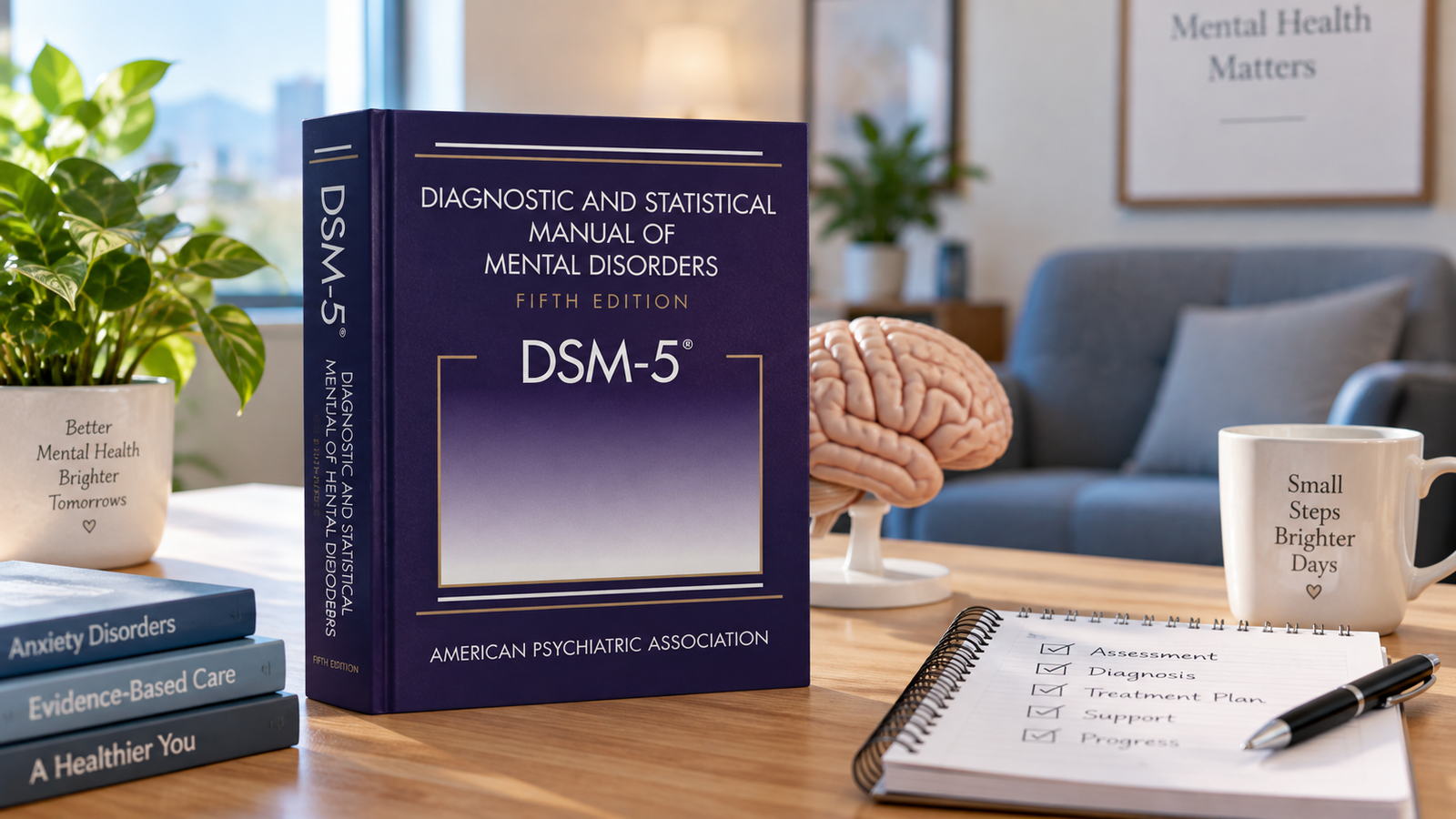
The Diagnostic and Statistical Manual of Mental Disorders, Fifth Edition (DSM-5), is the standard reference clinicians use to diagnose mental health conditions in the United States. It outlines specific criteria for each anxiety disorder, including how long symptoms need to last and how significantly they need to interfere with functioning.
Applying Criteria to the Individual
Rather than checking boxes mechanically, providers use the DSM-5 as a framework while considering the full picture of a person’s life. Two people with similar symptoms might receive different diagnoses depending on duration, triggers, and co-occurring conditions.
Types of Anxiety Disorders a Provider May Diagnose
Generalized Anxiety Disorder
Characterized by persistent, excessive worry across multiple areas of life, such as work, health, or finances, that’s difficult to control and often accompanied by restlessness or fatigue.
Panic Disorder
Involves recurrent, unexpected panic attacks along with ongoing worry about future attacks or their consequences, sometimes leading to avoidance of certain places or situations.
Social Anxiety Disorder
Centers on intense fear of social or performance situations due to concern about judgment or embarrassment, which can affect work, school, or personal relationships over time.
Specific Phobias
Involves marked fear tied to a particular object or situation, such as heights or flying, strong enough to trigger avoidance or significant distress.
Other Related Conditions
Providers may also evaluate for conditions like separation anxiety disorder, agoraphobia, or anxiety related to a medical condition, depending on the presentation and history involved.
Anxiety Evaluation via Telehealth vs. In Person
What Telehealth Evaluations Look Like
Telehealth evaluations follow the same clinical process as in-person visits, using video consultations to review symptoms, history, and questionnaires. Research on telepsychiatry has generally shown it to be a reliable option for diagnosing and managing anxiety disorders.
When In-Person Care May Be Preferred
Some people simply feel more comfortable in an office setting, and certain complex cases may benefit from in-person assessment. Either format can lead to an accurate diagnosis when conducted by a qualified provider.

Who Can Diagnose Anxiety?
Anxiety disorders can be diagnosed by psychiatrists, psychiatric nurse practitioners, psychologists, and licensed therapists, depending on state regulations and scope of practice. Primary care physicians can also identify anxiety symptoms and make an initial diagnosis, though they may refer patients to a mental health specialist for more comprehensive evaluation and treatment planning.
What Happens After a Diagnosis
Once a diagnosis is made, providers typically discuss treatment options based on symptom severity and personal preference. Professional support may help through therapy, medication management, or a combination of both. Follow-up appointments are common to track progress and adjust the plan as needed, since mental health care looks different for everyone.
Schedule an Evaluation Today!
Understanding how anxiety is diagnosed is often the first step toward feeling more in control of your mental health. Whether your symptoms are new or something you’ve managed quietly for years, a proper evaluation can clarify what’s happening and what kind of support might help.
At Mighty Mental Health, our Psychiatric Nurse Practitioner, Barbra Scheirer, provides comprehensive evaluations for anxiety and related conditions, with care plans that may include medication management, therapy referrals, or both, depending on individual needs. We accept Nevada Medicaid, CareSource, Silver Summit, Health Plan of Nevada, Molina, and Anthem, making psychiatric care more accessible for patients across the Las Vegas and Summerlin area.
As a psychiatry and medication management practice, we offer both telehealth visits and in-office consultations, so you can choose whichever format fits your comfort level and schedule. Contact us today at 702-479-1600 or through our contact form to schedule your evaluation.

Frequently Asked Questions
How long does an anxiety evaluation take?
Most initial evaluations take between 45 minutes to an hour, though this can vary depending on the complexity of symptoms and history involved.
Can my primary care doctor diagnose anxiety?
Yes. Primary care doctors can identify anxiety symptoms and make an initial diagnosis, though they often refer patients to a psychiatric provider for a more thorough evaluation and ongoing treatment.
What is the GAD-7, and does a high score mean I have anxiety?
The GAD-7 is a short screening questionnaire used to measure the severity of anxiety symptoms. A high score suggests anxiety symptoms are present and worth discussing further, but it isn’t a diagnosis on its own.
Can anxiety be diagnosed through telehealth?
Yes. Telehealth evaluations follow the same clinical process as in-person visits and can lead to an accurate diagnosis when conducted by a licensed provider.
References
- American Psychiatric Association. (2013). Diagnostic and Statistical Manual of Mental Disorders (5th ed.).
- Spitzer, R. L., Kroenke, K., Williams, J. B., & Löwe, B. (2006). A brief measure for assessing generalized anxiety disorder: The GAD-7. Archives of Internal Medicine, 166(10), 1092-1097.
- National Institute of Mental Health. Anxiety Disorders. Retrieved from nimh.nih.gov.
- American Psychiatric Association. What Are Anxiety Disorders? Retrieved from psychiatry.org.
- Substance Abuse and Mental Health Services Administration (SAMHSA). Telehealth for the Treatment of Serious Mental Illness and Substance Use Disorders.