
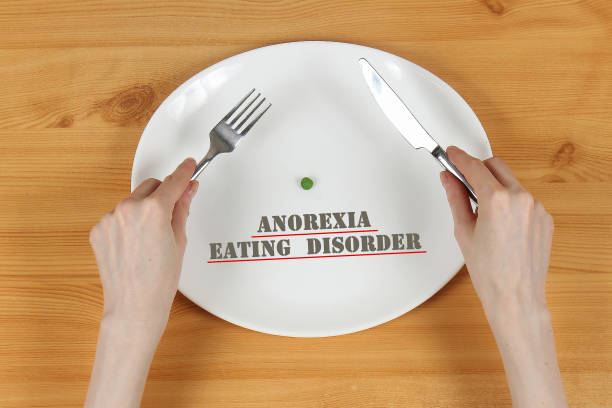
Nutrition plays a vital role in anorexia recovery in Henderson, supporting physical health, emotional balance, and access to professional care for long-term wellness.
Recovering from anorexia nervosa isn’t just about eating more food, it’s about learning to nourish your body, rebuild your strength, and heal emotionally. Anorexia is more than just skipping meals; it’s a serious eating disorder that impacts both physical health and mental well-being.
If you’re in Henderson, you’re not alone. The city offers a range of resources to support recovery, from therapy and nutrition counseling to medical oversight. Nutrition, in particular, plays a foundational role in this journey. Getting the right nutrients at the right pace helps restore energy, improve mood, and make therapy more effective.
Recovery takes time, patience, and support, but with the right approach, it’s absolutely possible. In this article, we’ll explore why nutrition matters, which nutrients are most important, practical meal strategies, and where to get professional help in Henderson.
Why Nutrition Matters in Anorexia Recovery
Nutrition is often one of the first steps in anorexia recovery because it helps the body repair itself. When someone restricts food over time, their organs, muscles, and even the brain can suffer. Nutritional rehabilitation is not just about eating more, it’s about eating smarter, more balanced meals that rebuild the body safely.
Getting the right nutrients can restore energy levels, support cognitive function, and improve overall physical health. For instance, proper protein intake helps repair muscles that have wasted away, while essential fats support hormone regulation and brain function. When nutrition is addressed alongside therapy, recovery tends to be more effective because the body is strong enough to handle the emotional and psychological work of healing.
In Henderson, nutrition support can be tailored to individual needs. A registered dietitian or nutritionist works alongside therapists and medical providers to create meal plans that meet both physical and emotional recovery goals. This integrated approach ensures progress is steady, sustainable, and safe.

Key Nutrients for Anorexia Recovery
When recovering from anorexia, it’s important to focus on nutrients that rebuild the body from the inside out. Here’s a breakdown of what your body needs most:
- Proteins: Vital for repairing tissues and building muscle. Lean meats, eggs, fish, legumes, and tofu are excellent sources. Protein also helps stabilize blood sugar, reducing fatigue and mood swings.
- Carbohydrates: Carbs are the body’s main energy source. Whole grains, fruits, and vegetables provide long-lasting energy and essential fiber for digestion.
- Healthy Fats: Omega-3 and omega-6 fats are critical for brain health and hormone balance. Sources include avocados, nuts, seeds, and fatty fish like salmon.
- Vitamins and Minerals: Calcium and vitamin D support bone strength, magnesium aids in muscle function, iron is essential for oxygen transport, and B vitamins boost energy metabolism.
- Electrolytes: Sodium, potassium, and magnesium help maintain proper nerve and muscle function, which is especially important if malnutrition has caused imbalances.
A dietitian can customize these nutrients into daily meals, making recovery gradual and safe. They can also help reintroduce foods that may have been feared or avoided, making mealtimes less stressful.

Meal Planning and Eating Strategies
Eating after anorexia can feel overwhelming, so having a plan is key. Meal planning helps create structure, reduces anxiety, and ensures your body gets what it needs. Here are strategies that many find helpful:
- Small, Frequent Meals: Eating 5–6 smaller meals per day keeps energy levels steady and prevents feelings of being overwhelmed.
- Balanced Plates: Each meal should include a mix of protein, complex carbohydrates, and healthy fats to fuel the body and mind.
- Mindful Eating: Pay attention to the taste, texture, and aroma of food. Mindful eating helps reconnect with positive food experiences.
- Meal Prep and Journaling: Planning meals ahead of time and keeping a food journal can track progress and uncover triggers.
- Gradual Food Reintroduction: Slowly incorporating foods that were previously avoided helps reduce anxiety and promotes variety in the diet.
The key is flexibility. Some days might go perfectly, and other days may feel challenging, that’s normal. The goal is progress, not perfection. With professional support, meal plans can be adjusted based on how you’re feeling physically and emotionally.

Signs You Might Need Professional Support
Recovery from anorexia is difficult to navigate alone. Sometimes, it’s hard to recognize when extra help is needed. Here are some signs that it may be time to reach out to a professional:
- Rapid or unexplained weight loss
- Persistent anxiety or fear around eating
- Physical symptoms like dizziness, hair thinning, or gastrointestinal issues
- Preoccupation with calorie counting or food restriction
- Mood swings, depression, or social withdrawal
- Difficulty managing daily activities or relationships
Early intervention often leads to better outcomes. In Henderson, qualified professionals can provide guidance, support, and monitoring to keep recovery on track.
Getting Help in Henderson, Nevada
If you’re in Henderson and seeking support, there are many resources available. Therapy, nutrition counseling, and medical oversight can all be part of a coordinated care plan. Local providers focus on comprehensive recovery, meaning they address both the physical and psychological aspects of anorexia.
For those looking for structured care, clinics and treatment centers offer outpatient, intensive outpatient, and sometimes inpatient programs. These programs combine medical monitoring, nutrition support, and psychotherapy to ensure that recovery is safe and effective.
Eating Disorder Treatment Centers in Henderson, NV
Henderson has several facilities dedicated to eating disorder recovery. These centers provide a structured environment where patients can receive individualized care. Services often include psychiatric evaluation, nutrition counseling, therapy sessions, and support groups.
We accept Nevada Medicaid, CareSource, Silver Summit, Health Plan of Nevada, Molina, and Anthem. Our services are available both via Telehealth and in-office consultations in Las Vegas and Summerlin, NV. Recovery is easier with professional guidance, and our team is here to help you every step of the way. Contact us today at 702-479-1600 or through our contact form to start your journey toward healing.

Frequently Asked Questions
What types of nutritional support are available in Henderson?
In Henderson, nutritional support includes personalized meal plans, one-on-one consultations with dietitians, and education on healthy eating habits. Professionals collaborate with therapists and medical providers to create plans that restore health gradually and safely.
How can therapy and nutrition work together in recovery?
Therapy addresses the psychological and emotional aspects of anorexia, while nutrition ensures the body has the fuel it needs to heal. Together, they form a holistic recovery plan that strengthens both mind and body.
Are there local resources for anorexia in Henderson?
Yes. Henderson offers specialized eating disorder clinics, private therapy practices, and psychiatric services. Mighty Mental Health provides coordinated care that includes psychiatric evaluation, therapy recommendations, nutritional guidance, and flexible Telehealth or in-office appointments.