Medical Review
Medically reviewed by Barbra Scheirer, Psychiatric Mental Health Nurse Practitioner at Mighty Mental Health
Last medically reviewed: August 18, 2026
Anxiety may fade when a stressful situation ends, but persistent, worsening, or disruptive anxiety may need professional treatment to improve and prevent it from taking over daily life.
Anxiety is a normal response to uncertainty, pressure, or perceived danger. A job interview, financial problem, or difficult family situation can make your heart race and your thoughts speed up. Often, those feelings settle as the situation changes.
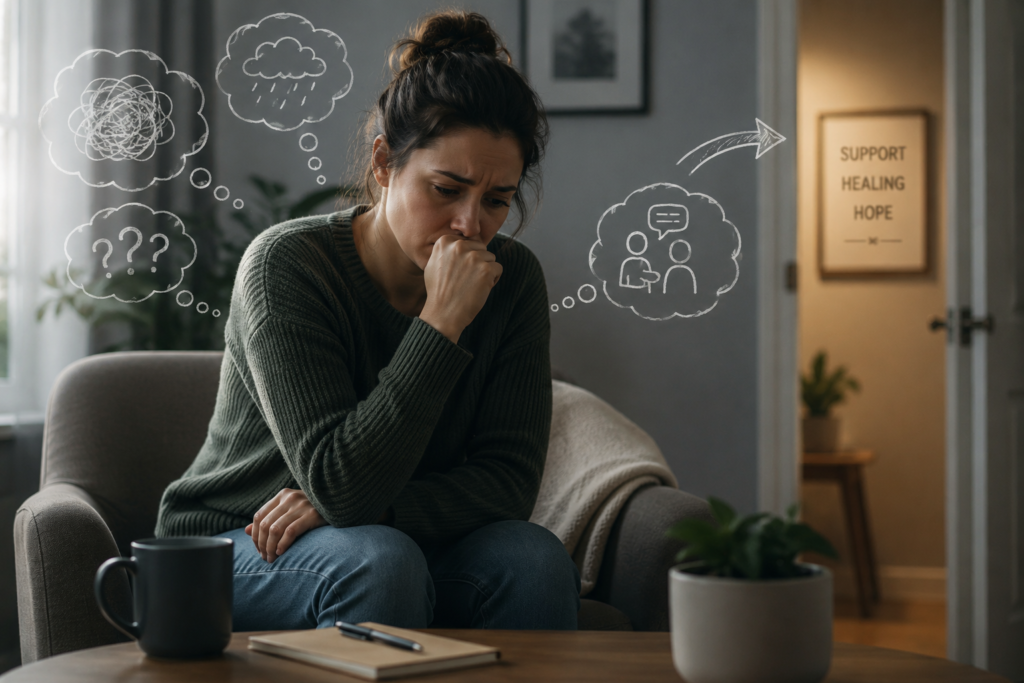
But what if the worry does not settle? People often ask, “will anxiety go away on its own?” The answer depends on what is causing the anxiety, how severe it is, how long it has lasted, and how much it affects everyday life. Occasional anxiety can pass without treatment. An anxiety disorder, however, can persist and interfere with sleep, relationships, work, school, or the ability to enjoy life. NIMH notes that anxiety disorders involve more than occasional worry and may worsen over time.
Can Anxiety Go Away On Its Own?
Sometimes, yes. Anxiety related to a temporary stressor may improve when the stressful situation resolves or when a person has time to recover. For example, feeling anxious before a major presentation may disappear after the presentation is over.
The more important question is whether anxiety is temporary and manageable or persistent and disruptive. If worry continues without an immediate threat, becomes difficult to control, or causes avoidance, sleep problems, or problems functioning, it may be more than a passing reaction.
How to Tell Temporary Anxiety From a Possible Anxiety Disorder
Pay attention to patterns rather than one difficult day. Occasional nervousness is common. Persistent anxiety that repeatedly returns, feels disproportionate to the situation, or begins controlling your decisions deserves closer attention.
Someone who stops driving because of panic, avoids social situations because of fear of judgment, or spends hours each day worrying about multiple areas of life may benefit from an evaluation. A professional can also consider whether medications, medical conditions, substance use, or another concern could be contributing.
Why Untreated Anxiety Can Get Worse Over Time
It is understandable to hope anxiety will simply disappear. Sometimes it does. But waiting indefinitely can become a problem when anxiety is persistent.
Anxiety can create a cycle of worry and avoidance. A person feels afraid, avoids the situation, experiences short-term relief, and then becomes even more convinced that the situation is dangerous. Over time, the list of avoided situations can grow. NIMH describes anxiety disorders as conditions in which anxiety does not go away and can get worse over time.
Anxiety Can Affect More Than Your Mood
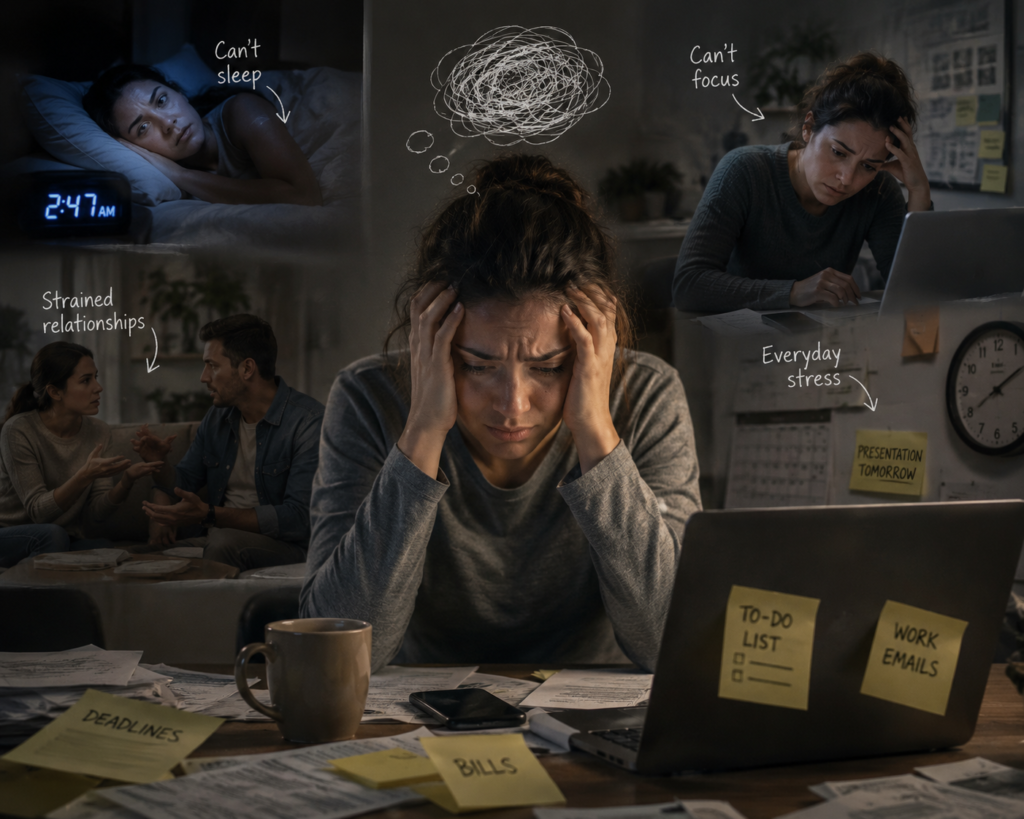
Persistent anxiety may affect concentration, sleep, energy, relationships, work, and physical comfort. Constantly monitoring symptoms can also make ordinary sensations, such as a fast heartbeat or stomach discomfort, feel threatening.
Untreated anxiety will not inevitably become severe, but persistent symptoms are worth taking seriously. Early support may make it easier to interrupt unhelpful patterns.
Self-Help Strategies That May Ease Mild Anxiety
For mild, short-term anxiety, practical habits can make a meaningful difference. They are not a substitute for professional treatment when symptoms are severe or persistent, but they can be useful as part of an overall approach.
Improve Sleep and Daily Routines
Poor sleep can make anxious thoughts harder to manage. Try keeping a consistent sleep and wake schedule, creating a calmer bedtime routine, and limiting activities that keep your mind highly stimulated late at night.
Pay Attention to Caffeine
Coffee, energy drinks, and other caffeinated products can intensify physical sensations that resemble anxiety, including restlessness and a racing heart. If you notice a connection, gradually reducing caffeine may help. NIMH and the NHS both recommend paying attention to caffeine when managing anxiety symptoms.
Move Your Body Regularly
Walking, swimming, running, yoga, or another activity you enjoy can help reduce stress and support sleep. You do not need an extreme workout routine; consistency is more realistic than exercising intensely for a few days and stopping.
Practice Calming Techniques
Slow breathing, mindfulness, meditation, and grounding exercises can help you redirect attention from anxious thoughts to what is happening in the present moment. Talking with someone you trust can also reduce isolation.
Avoid Making Avoidance Your Main Coping Strategy
Avoiding every situation that triggers anxiety can provide immediate relief, but it can reinforce fear over time. When appropriate and manageable, gradually approaching difficult situations can be more helpful than continually escaping them. If exposure feels overwhelming, a therapist can guide the process safely.
When It’s Time to Seek Professional Treatment
You do not have to wait until anxiety becomes unbearable before asking for help. Consider speaking with a health care or mental health professional if anxiety is persistent, difficult to control, interfering with work or relationships, disrupting sleep, causing repeated panic symptoms, or leading you to avoid important activities.
A Professional Evaluation Can Clarify What Is Happening
Anxiety symptoms can overlap with other mental health concerns and some physical conditions. A provider can review your symptoms, history, medications, substance use, and overall health rather than assuming every symptom is simply anxiety. NIMH recommends evaluation as part of determining appropriate care.
Seeking treatment also does not automatically mean you need medication. Some people benefit from therapy, some from medication, and others from a combination. The plan depends on the person and symptom severity.

Treatment Options for Anxiety
Treatment is not one-size-fits-all. The goal is to reduce symptoms and help you function more comfortably over time.
Psychotherapy
Cognitive behavioral therapy, or CBT, is a well-studied treatment for several anxiety disorders. It can help people identify unhelpful thought patterns, change behaviors that maintain anxiety, and develop practical coping skills. Exposure-based approaches may also help people gradually face feared situations rather than avoiding them. NIMH identifies CBT as a commonly used, research-supported approach for generalized anxiety disorder and other anxiety conditions.
Medication Management
Medication may be appropriate when anxiety is moderate to severe, persistent, significantly impairing, or not adequately controlled with therapy and lifestyle changes. Depending on the diagnosis, providers may consider SSRIs, SNRIs, buspirone, or other options. Some work gradually, while others are used only in specific situations or for shorter periods.
Medication decisions should be individualized, including benefits, side effects, interactions, and monitoring. Never start, stop, or change psychiatric medication without medical guidance.
Combined Care and Follow-Up
For some people, combining medication management with psychotherapy provides a more comprehensive approach. Follow-up matters because symptoms, side effects, stressors, and treatment needs can change. A good treatment plan should be adjusted when the initial approach is not working well.
Not Sure Where to Start? Book a Telehealth Appointment with Mighty Mental Health
If you are still wondering, “will anxiety ever go away on its own?” you do not have to figure it out alone. Sometimes anxiety improves with time and self-care; other times, persistent symptoms need professional attention. The key is recognizing when anxiety is interfering with the life you want to live.
Mighty Mental Health is a psychiatry and medication management office serving Las Vegas and Summerlin, NV, with Telehealth visits and in-office consultations. Psychiatric Nurse Practitioner Barbra Scheirer provides individualized evaluations and care, with treatment plans that may include medication management, therapy recommendations, or a combination based on each patient’s needs. Mighty Mental Health accepts Nevada Medicaid, CareSource, Silver Summit, Health Plan of Nevada, Molina, and Anthem.
To discuss your anxiety and possible treatment options, contact Mighty Mental Health at 702-479-1600 or use the practice’s contact form to request an appointment.
Frequently Asked Questions
Can Anxiety Go Away Without Medication?
Yes. Some mild, situational anxiety improves without medication, particularly when the underlying stressor changes and healthy coping strategies are effective. However, persistent anxiety disorders may benefit from psychotherapy, medication, or both. A professional can help determine appropriate care.
How Long Does Normal Anxiety Usually Last?
There is no single timeline for normal anxiety. It often decreases as the stressful situation passes or becomes manageable. If anxiety continues for weeks, keeps returning, or begins interfering with sleep, work, relationships, or daily activities, consider discussing it with a professional.
Is It Normal to Have Anxiety Every Day?
Feeling some anxiety on a daily basis can happen during prolonged stress, but daily anxiety should not automatically be dismissed as normal. If worry is difficult to control, feels excessive, or affects your functioning, an evaluation may help determine whether an anxiety disorder or another concern is involved.
What Happens if Anxiety Is Left Untreated?
Persistent anxiety may continue, interfere with sleep and concentration, increase avoidance, and affect relationships and daily functioning. It does not always become worse, but ongoing symptoms can become harder to manage when unaddressed. Early professional support can help identify the cause and appropriate treatment.
References
- National Institute of Mental Health (NIMH). Anxiety Disorders. NIMH explains that occasional anxiety is a normal part of life, while anxiety disorders involve symptoms that may persist, interfere with daily activities, and worsen over time.
- National Institute of Mental Health (NIMH). Generalized Anxiety Disorder: What You Need to Know. This resource covers symptoms, diagnosis, psychotherapy, medication, healthy habits, and when to seek professional help for generalized anxiety disorder.
- National Institute of Mental Health (NIMH). Mental Health Medications. This resource provides information about medications that may be used to manage anxiety, including SSRIs, SNRIs, benzodiazepines, buspirone, and other medications.
- National Institute of Mental Health (NIMH). Psychotherapies. NIMH provides information about evidence-based psychotherapy approaches, including cognitive behavioral therapy, exposure therapy, mindfulness, and other therapeutic techniques used for anxiety and related conditions.
- Mighty Mental Health. Meet Barbra Scheirer: Psychiatric Nurse Practitioner. This professional profile provides information about Barbra Scheirer’s nursing and psychiatric mental health background and her work providing psychiatric care in Las Vegas.