
Medically reviewed by Barbra Scheirer, Psychiatric Mental Health Nurse Practitioner at Mighty Mental Health. Last medically reviewed: August 31, 2026.
Self-injury in Summerlin teens is often a coping response to overwhelming emotions, not attention-seeking. Recognizing warning signs early and responding calmly helps parents get their teen the right support.
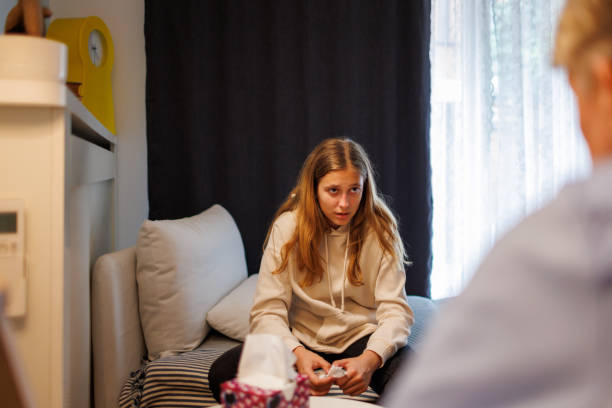
Finding out your teen is hurting themselves is one of the most frightening moments a parent can face. It’s normal to feel shocked, guilty, or unsure what to do next. Self-injury in Summerlin teens has become a growing concern among local parents, school counselors, and pediatric providers, partly because academic pressure, social media comparison, and busy family schedules can quietly build up until a teen doesn’t know how else to cope. This article walks through what self-injury actually is, the warning signs to watch for, how to talk to your teen without pushing them away, and when it’s time to bring in professional support.
What Is Self-Injury and Why Do Teens Do It?
Self-injury, sometimes called non-suicidal self-injury (NSSI), refers to a teen deliberately hurting their own body without intending to end their life. It’s most common in adolescence, a stage when emotions run high and coping skills are still developing.
It’s About Coping, Not Attention
Most teens who self-injure aren’t doing it for attention. For many, it functions as a release valve, a way to feel something when they’re emotionally numb, or a way to quiet overwhelming feelings like anxiety, shame, or anger. It can also serve as a form of self-punishment tied to low self-worth. Understanding this shift in framing matters: a teen who self-injures is usually struggling to regulate emotions, not seeking drama or manipulation.
Why Adolescence Is a Vulnerable Window
The teenage brain is still developing the prefrontal cortex, the region responsible for impulse control and long-term thinking. Combined with hormonal changes, social pressures, and identity formation, this makes adolescence a period where teens are more likely to reach for a quick, physical way to manage emotional pain rather than talking it through.
Warning Signs Parents in Summerlin Should Know
Because self-injury often happens in private and is hidden intentionally, signs can be subtle. Parents may notice:
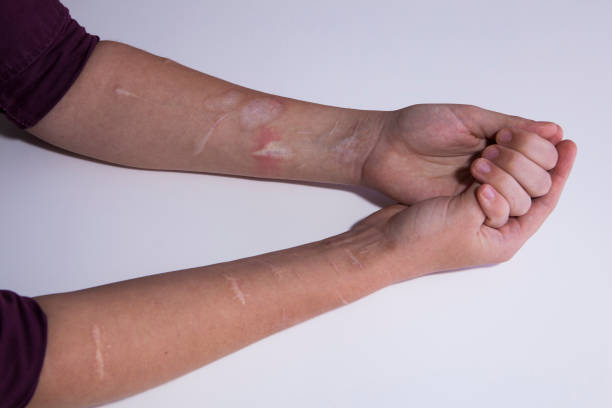
- Unexplained cuts, scratches, burns, or bruises, often in areas that are easy to cover
- Wearing long sleeves or pants even in warm weather, especially around the house
- Increased secrecy about their body, avoiding changing clothes in front of others
- Sharp mood swings, irritability, or withdrawal from family and friends
- Sudden drop in interest in hobbies, sports, or school activities they used to enjoy
- Finding sharp objects, such as razors or blades, in unusual places like backpacks or bathrooms
Behavioral Shifts That Often Come First
Before physical signs appear, many teens show behavioral changes: spending more time alone, avoiding eye contact, changes in sleep or appetite, or becoming defensive when asked simple questions. These shifts are worth paying attention to even if you haven’t seen direct physical evidence yet.
Common Triggers: Stress, Social Pressure, and Mental Health Conditions
Self-injury rarely comes from a single cause. It’s usually the result of layered stressors building up over time.
Academic and Social Pressure
In competitive academic environments, teens can feel immense pressure to perform, both in the classroom and socially. Comparison culture on social media adds another layer, making it easy for teens to feel like they’re constantly falling short compared to curated versions of their peers’ lives.
Underlying Mental Health Conditions
Self-injury is frequently linked to underlying conditions such as depression, anxiety, or trauma-related disorders. In some cases, it can also occur alongside eating disorders or difficulties with emotional regulation. Addressing the root cause, rather than just the behavior itself, is essential for lasting change.
Family and Life Transitions
Divorce, moving, changing schools, friendship breakups, or family conflict can all act as triggers, especially when a teen doesn’t yet have healthy tools to process big emotional shifts. Even positive changes, like starting at a new school or joining a competitive team, can create hidden stress if a teen feels pressure to fit in or perform right away.
How to Start a Conversation With Your Teen
Opening this conversation is uncomfortable, but avoiding it can leave a teen feeling more isolated. Choose a private, low-pressure moment, during a car ride or a quiet evening at home often works better than a face-to-face confrontation.
Lead With Curiosity, Not Alarm
Start with open-ended, non-judgmental language such as, “I’ve noticed you seem more stressed lately, and I want to understand what’s going on.” This invites conversation rather than triggering defensiveness.
Stay Calm, Even If You’re Scared
Teens are highly attuned to parental reactions. If you respond with panic or anger, they may shut down or hide things further. A steady, non-reactive tone signals that it’s safe to keep talking.
What NOT to Say (and What Helps Instead)
Certain responses, even well-intentioned ones, can unintentionally shut down communication.
Phrases to Avoid
Avoid statements like “Just stop doing that,” “You’re doing this for attention,” or “How could you do this to me?” These responses center the parent’s feelings rather than the teen’s pain, and they often increase shame and secrecy.
What Genuinely Helps
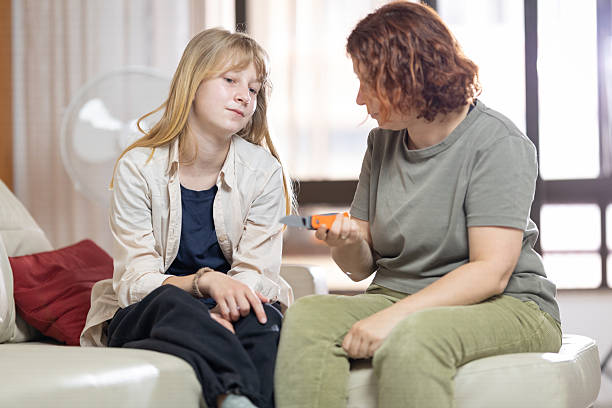
Instead, try validating language: “That sounds really hard,” or “I’m glad you told me, even though it wasn’t easy.” Reassure your teen that they aren’t in trouble for sharing, and that your goal is to understand and support them, not to punish them.
When Self-Injury Requires Professional Support
Any instance of self-injury warrants a conversation with a mental health provider, even if it seems minor or infrequent. Professional support becomes especially urgent if self-injury is escalating in frequency or severity, if your teen expresses hopelessness, or if you’re worried about their immediate safety.
Getting an Evaluation
A licensed provider can assess whether an underlying condition, such as depression or anxiety, is driving the behavior and can recommend an appropriate combination of therapy, family support, and, when clinically appropriate, medication.
If your teen is in immediate danger or expressing thoughts of suicide, call or text 988 to reach the Suicide & Crisis Lifeline, or go to the nearest emergency room. This information is important for any family navigating this topic, regardless of where you are in the process.
How Mighty Mental Health Supports Teens and Families in Summerlin
Self-injury in Summerlin teens is a complex issue, but it’s also a treatable one. With the right support, teens can learn healthier ways to manage overwhelming emotions, and families can rebuild trust and open communication. At Mighty Mental Health, we work closely with teens and their parents to understand what’s really driving the behavior, rather than focusing on the behavior alone. Our Psychiatric Nurse Practitioner, Barbra Scheirer, develops individualized treatment plans that may include medication management, therapy referrals, and ongoing family collaboration, all built around your teen’s specific needs.
As a psychiatry and medication management office serving Las Vegas and Summerlin, NV, we offer both telehealth visits and in-office consultations, so your family can choose the format that feels most comfortable. We also accept Nevada Medicaid, CareSource, Silver Summit, Health Plan of Nevada, Molina, and Anthem, helping make quality psychiatric care accessible to more families in our community. If you’re concerned about self-injury in your teen, don’t wait for things to escalate, contact us today at 702-479-1600 or through our online contact form to schedule an evaluation.

Frequently Asked Questions
Why do teenagers self-harm?
Teens often self-harm as a way to cope with intense emotions they don’t yet know how to process, such as anxiety, sadness, or emotional numbness, rather than as an attempt to seek attention.
How should parents talk to a teen about self-harm?
Approach the conversation calmly and privately, lead with curiosity rather than judgment, and reassure your teen that they won’t be punished for opening up.
Is self-injury a sign of a bigger mental health issue?
It can be. Self-injury is frequently connected to underlying conditions like depression, anxiety, or trauma, which is why a professional evaluation is important.
When should a teen see a mental health provider for self-harm?
Any occurrence of self-injury is worth discussing with a provider, especially if it’s happening repeatedly, increasing in severity, or paired with hopelessness or safety concerns.
References
- National Institute of Mental Health (NIMH) — Non-Suicidal Self-Injury
- American Academy of Child and Adolescent Psychiatry (AACAP) — Self-Harm
- Mayo Clinic — Self-Injury/Cutting: Symptoms and Causes
- Cleveland Clinic — Self-Harm: Signs, Causes, and Treatment
- 988 Suicide & Crisis Lifeline — 988lifeline.org