

Teenage years are often filled with milestones, social growth, and self-discovery. It is a period when young people navigate friendships, academics, extracurricular activities, and social media presence, all while learning to form their personal identity. However, for some teens, these experiences can trigger overwhelming fear, self-doubt, and avoidance. In communities like Summerlin, Nevada, where social life and academic performance are emphasized, social anxiety in Summerlin teens is an increasingly recognized concern among parents, educators, and healthcare providers.
Social anxiety is more than shyness. It can significantly affect a teen’s day-to-day life, self-esteem, and overall well-being. Understanding this condition, recognizing the warning signs, and knowing how to respond can help parents support their teen in building confidence and developing healthy social skills.
Understanding Social Anxiety in Teens
Social anxiety disorder, sometimes called social phobia, is a persistent and intense fear of social or performance situations where an individual worries about being judged, embarrassed, or rejected. For teens, this fear can manifest in many areas of life: giving presentations, participating in class, attending parties, or interacting with peers in informal settings.
Unlike temporary nervousness, social anxiety often leads to physical symptoms such as sweating, a racing heartbeat, nausea, or even panic attacks. Teens may also experience persistent self-conscious thoughts, replaying social interactions and imagining negative outcomes long after they occur.
Experts estimate that approximately 9% of teenagers in the United States experience social anxiety, often beginning in early adolescence around age 13. Recognizing and addressing it early is critical, as untreated social anxiety can persist into adulthood and interfere with educational, social, and career opportunities.

Why Social Anxiety Is Common Among Summerlin Teens
While social anxiety can affect any teen, certain factors make it particularly prevalent in Summerlin. This community is known for its vibrant social life, competitive schools, and active recreational and extracurricular programs. While these opportunities are beneficial for personal growth, they can also create environments where some teens feel constant pressure to perform and fit in.
Several factors contribute to social anxiety in Summerlin teens:
High academic and social expectations:
Teens may feel pressured to excel in school, participate in clubs, or achieve athletic success. The fear of failure or embarrassment can intensify anxiety in social or performance situations.
Social media influence:
Constant exposure to curated images, likes, and online validation can heighten self-consciousness. Many teens compare themselves to peers, amplifying fears of judgment and rejection.
Rapid community growth and diversity:
Summerlin’s expanding population can lead to frequent transitions, new schools, and shifting social circles, creating challenges for teens who struggle with change or social adaptation.
Parental expectations:
Even well-intentioned parents may inadvertently increase anxiety by emphasizing achievement, competitiveness, or perfectionism.
While these factors do not directly cause social anxiety, they can exacerbate underlying vulnerabilities in teens, making symptoms more noticeable or severe.

Recognizing the Signs of Social Anxiety
Identifying social anxiety in teens can be challenging because it often looks similar to shyness or moodiness. However, the impact on daily life distinguishes social anxiety from typical adolescent behavior.
Signs parents should watch for include:
- Avoidance of social situations: Skipping school events, refusing to participate in sports or group projects, or avoiding gatherings with peers.
- Extreme self-consciousness: Worrying excessively about appearance, speech, or behavior in public settings.
- Physical symptoms: Trembling, sweating, stomachaches, headaches, or a racing heartbeat in social situations.
- Negative self-talk: Replaying social interactions and imagining worst-case scenarios (“They think I’m weird” or “I embarrassed myself”).
- Isolation from friends: Preferring solitary activities, withdrawing from social groups, or showing reluctance to meet new people.
- Academic impact: Declining grades due to fear of speaking up, participating in group work, or attending school.
If these behaviors are persistent and interfere with your teen’s ability to engage in normal activities, professional guidance should be sought. Early recognition and intervention are essential to prevent long-term emotional and social consequences.

How Social Anxiety Affects Teen Life and Development
Social anxiety can have wide-ranging effects on a teen’s growth, relationships, and future opportunities. If left untreated, it can impact academic performance, social development, and emotional health.
1. Lower self-esteem:
Constant worry about social interactions can erode confidence, leading teens to believe they are inadequate or incapable.
2. Social isolation:
Avoiding social situations can result in fewer friendships and limited emotional support, which can exacerbate feelings of loneliness and depression.
3. Academic struggles:
Fear of participation, presentations, or peer interactions can hinder school performance and limit engagement in educational opportunities.
4. Increased risk of depression or other mental health conditions:
Persistent anxiety can contribute to mood disorders, low motivation, and sometimes substance use as a coping mechanism.
However, social anxiety is treatable. Teens who receive the right support can manage symptoms effectively and lead fulfilling, socially active lives.
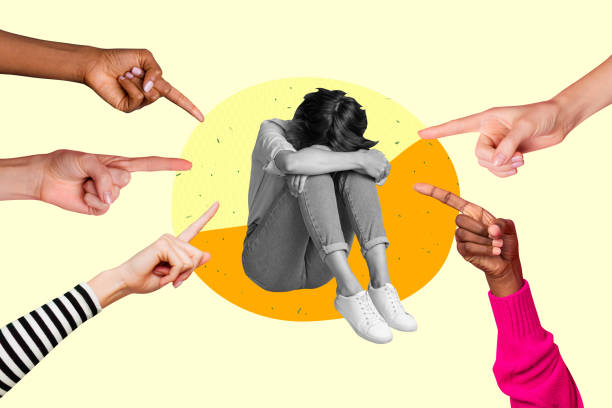
What Parents Can Do to Support Their Teen
Parents play a crucial role in helping teens navigate social anxiety in Summerlin teens. A supportive approach can empower teens to face fears gradually and build resilience.
Here are actionable strategies for parents:
Listen and validate feelings:
Create a safe environment where your teen can share their fears without judgment. Acknowledge that their anxiety is real and significant.
Encourage gradual exposure:
Help your teen face feared situations slowly, starting with small, manageable steps. Celebrate each success, no matter how minor.
Model coping strategies:
Demonstrate healthy ways to manage stress, including deep breathing, mindfulness, and problem-solving.
Maintain realistic expectations:
Avoid pressuring teens to “just get over it.” Recovery takes time, patience, and consistent support.
Encourage social connection:
Support friendships and extracurricular involvement in ways that feel safe and achievable for your teen.
Seek professional help when necessary:
If anxiety is affecting school attendance, friendships, or family life, a mental health professional can provide guidance and treatment.
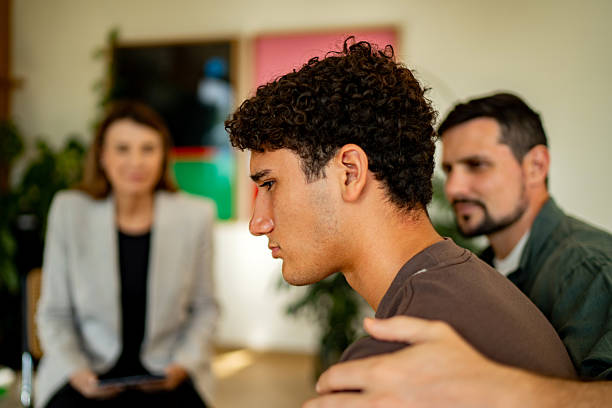
How Psychiatry and Therapy Can Help Teens Overcome Social Anxiety
Professional treatment is highly effective in helping teens manage social anxiety. A mental health provider can develop individualized plans that include therapy, medication, or both, depending on the severity of symptoms.
- Cognitive Behavioral Therapy (CBT): Helps teens identify and challenge negative thoughts, replacing them with healthier perspectives. CBT often includes exposure exercises to gradually reduce avoidance.
- Exposure therapy: Teaches teens to face social situations in a controlled, supportive way to build confidence and reduce fear.
- Medication management: In some cases, psychiatric medications may be recommended to help regulate anxiety and improve daily functioning.
- Family counseling: Equips parents with tools to support their teen, improve communication, and foster a safe, understanding home environment.
With consistent care, teens can regain confidence, develop healthy coping skills, and actively engage in social and academic life.

Teen Mental Health Support in Summerlin
Parents in Summerlin don’t have to face social anxiety in Summerlin teens alone. At Mighty Mental Health, we provide specialized, evidence-based care for teens struggling with anxiety, depression, and other mental health concerns.
Our Psychiatric Nurse Practitioner, Barbra Scheirer, develops comprehensive treatment plans tailored to each teen’s unique needs. Plans may include therapy recommendations, medication management, lifestyle strategies, or a combination of approaches for well-rounded care.
We accept Insurances like Nevada Medicaid, Silver Summit, Health Plan of Nevada, Molina, and Anthem, making it easier for families to access high-quality mental health care. Mighty Mental Health is a trusted psychiatry and medication management office in Las Vegas and Summerlin, NV, offering both in-office consultations and Telehealth visits for convenience and accessibility.
If your teen is experiencing social anxiety, early intervention can help them develop the skills and confidence needed to thrive socially, academically, and emotionally. Contact Mighty Mental Health today at 702-479-1600 or submit a request through our contact form to schedule a confidential consultation.
Together, we can support your teen in overcoming social anxiety, building resilience, and achieving a happier, healthier adolescence.

Frequently Asked Questions
How is social anxiety different from normal teenage shyness?
Shyness is temporary discomfort in social situations, while social anxiety is persistent fear that interferes with daily life. Teens with social anxiety may avoid interactions, experience physical symptoms like nausea, or have extreme self-consciousness.
When should I consider seeing a psychiatrist or therapist for my teen?
If anxiety interferes with school, friendships, or normal activities, it’s time to seek professional help. Early intervention improves outcomes and helps prevent long-term emotional and social difficulties.
Where can I find help for teen social anxiety in Summerlin?
Mighty Mental Health provides comprehensive support for social anxiety in Summerlin teens, including therapy, medication management, and individualized care plans. Contact our Las Vegas or Summerlin office to schedule an appointment.