
Medically reviewed by: Barbra Scheirer, PMHNP-BC
Psychiatric Mental Health Nurse Practitioner
Mighty Mental Health
Last medically reviewed: June 2026
Switching from Suboxone to Sublocade can provide consistent medication, reduce daily dosing, and support long-term opioid recovery when guided by an experienced provider.
Recovery from opioid use disorder is not a one-size-fits-all journey. While many people achieve stability with Suboxone, others reach a point where a monthly injectable medication like Sublocade may better suit their lifestyle, treatment goals, or recovery plan. If you’re considering switching from Suboxone to Sublocade, it’s natural to have questions about safety, effectiveness, timing, and what the transition involves.
Both medications contain buprenorphine, a partial opioid agonist that helps reduce cravings and withdrawal symptoms while lowering the risk of misuse compared to full opioid agonists. The biggest difference is how the medication is delivered. Suboxone is taken daily as a sublingual film or tablet, while Sublocade is administered as a once-monthly injection by a healthcare provider.
For many people, changing medications isn’t about finding a “better” option, it’s about finding the treatment that best supports long-term recovery. Some appreciate the flexibility of daily medication, while others prefer the convenience and consistency of monthly injections.
Healthcare providers typically evaluate several factors before recommending switching from Suboxone to Sublocade, including how long you’ve been stable on Suboxone, whether withdrawal symptoms are controlled, your history of adherence, and your overall recovery progress. A carefully planned transition can improve treatment consistency while reducing the burden of remembering daily doses.
Understanding what happens during this process can help you make informed decisions alongside your provider.
Suboxone vs Sublocade for Opioid Addiction
Although both medications contain buprenorphine, they work differently in day-to-day treatment.
How Suboxone Works
Suboxone combines buprenorphine with naloxone. The medication dissolves under the tongue each day, where buprenorphine binds to opioid receptors and helps reduce withdrawal symptoms and cravings without producing the intense euphoria associated with opioids.
Daily dosing gives patients flexibility because adjustments can be made relatively quickly if needed. However, taking medication every day also requires consistency and may become challenging for individuals with busy schedules or difficulty maintaining routines.
How Sublocade Works
Sublocade contains only extended-release buprenorphine. Instead of daily dosing, it is injected under the skin once each month by a trained healthcare provider. After the injection, the medication forms a small depot that gradually releases buprenorphine over several weeks, helping maintain steady medication levels.
Because Sublocade must be administered in a medical setting, patients do not need to remember daily doses or store medication at home.
Who May Benefit Most?
Suboxone may be ideal for patients who:
- Need dose adjustments during early recovery.
- Prefer daily control over their medication.
- Are beginning medication-assisted treatment.
Sublocade may be appropriate for patients who:
- Have achieved stability on Suboxone.
- Want to reduce the responsibility of daily medication.
- Prefer consistent medication levels throughout the month.
- Have difficulty remembering daily doses.
- Want a treatment with lower diversion potential.
Rather than viewing one medication as superior, clinicians consider each person’s recovery goals, medical history, and treatment response.
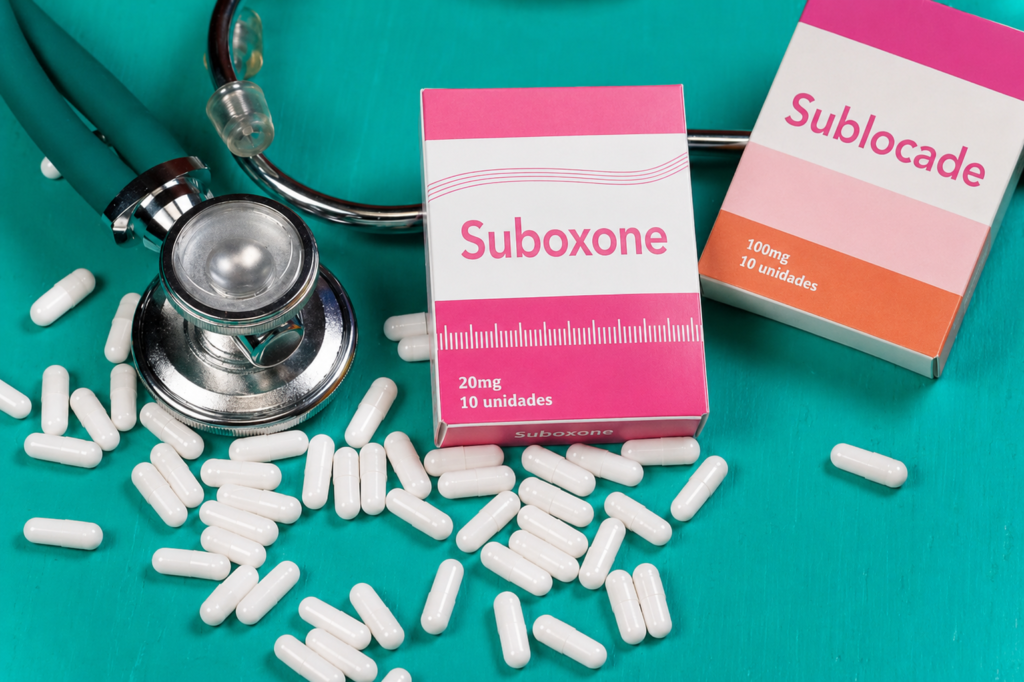
Suboxone vs Sublocade: The Benefits and Drawbacks
Every medication offers advantages and limitations. Understanding both helps patients make realistic expectations before switching from Suboxone to Sublocade.
Benefits of Suboxone
Suboxone has been used successfully for many years and remains one of the most established treatments for opioid use disorder.
Benefits include:
- Flexible daily dosing
- Easier dose adjustments
- Proven effectiveness
- Widely available
- Can often be taken at home
Some patients appreciate the sense of control that daily medication provides, especially during the early stages of recovery.
Drawbacks of Suboxone
Daily medication can become inconvenient over time. Missing doses may increase cravings or withdrawal symptoms, and some patients find that remembering medication every morning becomes mentally exhausting.
There is also the possibility of misplaced medication or accidental access by others if it is not stored securely.
Benefits of Sublocade
Many patients appreciate the convenience of monthly treatment.
Potential benefits include:
- No daily medication routine
- Consistent medication levels
- Reduced fluctuations throughout the day
- Lower risk of missed doses
- No need to carry medication while traveling
- Reduced diversion risk because injections are administered only by healthcare professionals
Some individuals also report that removing the daily reminder of medication allows them to focus more fully on rebuilding their lives.
Drawbacks of Sublocade
Sublocade requires scheduled office visits every month. Once administered, the medication cannot simply be stopped or adjusted immediately because it continues releasing buprenorphine over several weeks.
Patients may also experience temporary injection-site reactions such as soreness, swelling, or redness, although these are often mild and resolve within several days.
Is Switching Safe and Effective?
For appropriately selected patients, switching from Suboxone to Sublocade is generally considered both safe and effective when supervised by an experienced healthcare provider.
Safety begins with stability. Before recommending Sublocade, providers typically ensure that patients have been taking Suboxone consistently and are comfortable on an appropriate maintenance dose. This reduces the likelihood of withdrawal symptoms during the transition and helps confirm that buprenorphine is already working well for the individual.
Why Medical Supervision Matters
Although both medications contain buprenorphine, the transition still requires clinical judgment. Providers assess current symptoms, medication adherence, other health conditions, and any medications that could affect treatment. They also discuss recovery goals, lifestyle, and whether monthly injections fit the patient’s needs.
Regular follow-up appointments remain important after the first injection. These visits allow clinicians to monitor symptom control, address side effects, evaluate cravings, and determine whether additional behavioral health support may strengthen recovery.
Many patients report that after switching, they appreciate the freedom of not needing to think about medication every day. Others continue to prefer Suboxone because they value daily flexibility. Neither experience is wrong. The best treatment is the one that supports long-term stability, reduces relapse risk, and helps patients maintain meaningful progress in recovery.
How to Transition from Suboxone to Sublocade
Transitioning successfully begins with a conversation between you and your healthcare provider. Rather than changing medications abruptly, providers follow established prescribing guidelines to help ensure the safest and most effective outcome.
Confirm Stability on Suboxone
Before receiving the first Sublocade injection, most patients should already be stable on a daily dose of transmucosal buprenorphine, such as Suboxone. Stability generally means withdrawal symptoms are well controlled, cravings are manageable, and the medication is being taken consistently without significant problems.
Being stable helps your provider determine that buprenorphine is already working effectively before switching to the extended-release injectable form.
Schedule Your First Injection
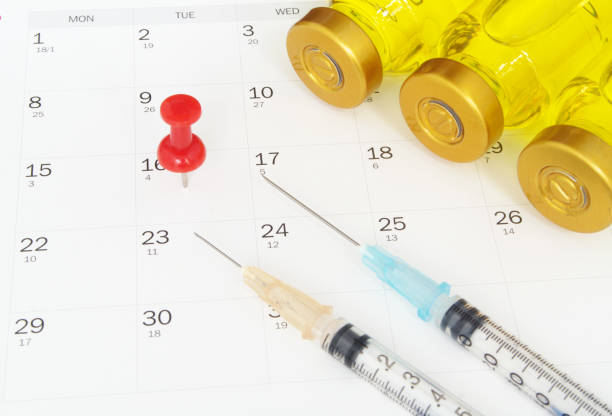
Once your provider determines you’re an appropriate candidate, you’ll schedule an office appointment for your first Sublocade injection. Unlike Suboxone, Sublocade cannot be taken at home. It is administered by a trained healthcare professional as a subcutaneous injection into the abdominal area.
The medication gradually forms a small depot beneath the skin, releasing buprenorphine steadily throughout the month.
Monitor Your Response
Most people continue normal daily activities after the injection, although mild soreness, swelling, or tenderness at the injection site may occur for a few days.
Your healthcare provider will monitor:
- Withdrawal symptoms
- Cravings
- Medication effectiveness
- Side effects
- Overall recovery progress
Follow-up appointments remain an essential part of treatment, allowing adjustments to your overall recovery plan if necessary.
Continue Comprehensive Recovery Support
Medication works best when paired with evidence-based behavioral healthcare. Many individuals benefit from combining medication-assisted treatment with psychotherapy, counseling, peer support groups, stress management techniques, and treatment for co-occurring mental health conditions such as anxiety, depression, or PTSD.
Recovery involves much more than preventing withdrawal, it also includes rebuilding healthy routines, relationships, coping skills, and long-term wellness.
How Long Should Someone Be on Suboxone Before Sublocade?
One of the most common questions about switching from Suboxone to Sublocade is how long someone should remain on Suboxone before making the transition.
There is no single timeline that applies to everyone. Instead of focusing only on the number of weeks or months, healthcare providers evaluate whether the patient has reached a stable maintenance phase. In many cases, this means consistently taking Suboxone as prescribed, experiencing minimal withdrawal symptoms, and having cravings that are well controlled.
Your provider may also consider factors such as:
- Overall physical and mental health
- Progress in recovery
- Previous relapse history
- Lifestyle and daily routine
- Ability to attend monthly appointments
- Personal treatment goals
For some individuals, transitioning after achieving stability may be appropriate relatively early in treatment. Others may remain on Suboxone for a longer period before deciding that monthly injections better fit their recovery plan.
The decision should always be individualized. Rather than rushing the process, your provider will recommend the timing that offers the greatest likelihood of long-term success while minimizing unnecessary risks.
Ready to Discuss Whether Sublocade Is Right for You?
If you’re considering switching from Suboxone to Sublocade, having an experienced mental health and medication management team by your side can make the process smoother and more reassuring. Every person’s recovery journey is unique, and the right treatment plan depends on your medical history, current stability, lifestyle, and long-term recovery goals.
At Mighty Mental Health, we believe medication-assisted treatment should always be personalized and supported by compassionate, evidence-based care. Our experienced Psychiatric Nurse Practitioner, Barbra Scheirer, works closely with patients to determine whether Sublocade, Suboxone, or another treatment approach is the best fit. Your care plan may include medication management, therapy recommendations, ongoing monitoring, and regular follow-up visits to help support lasting recovery.
As a trusted psychiatry and medication management practice serving Las Vegas and Summerlin, Nevada, Mighty Mental Health offers both Telehealth Visits and In-Office Consultations for your convenience. We proudly accept Nevada Medicaid, CareSource, Silver Summit, Health Plan of Nevada, Molina, and Anthem, making quality mental health and addiction treatment more accessible for individuals throughout the community.
If you have questions about your treatment options or want to learn whether Sublocade is appropriate for you, contact Mighty Mental Health today at 702-479-1600 or complete our online contact form to schedule an appointment. Our team is here to help you take the next step toward a healthier, more stable future.

Frequently Asked Questions
Can I switch directly from Suboxone to Sublocade?
Not immediately in every situation. Most patients first need to demonstrate stability on Suboxone before receiving their first Sublocade injection. Your provider will determine whether you’ve reached the appropriate stage for transitioning safely.
How long does it take to adjust to Sublocade?
Many patients adjust within the first month, although individual experiences vary. Your healthcare provider will monitor withdrawal symptoms, cravings, medication response, and any side effects during follow-up visits to ensure the treatment is working effectively.
Will I experience withdrawal symptoms after switching?
Most patients who transition appropriately under medical supervision experience little or no significant withdrawal. Following your provider’s recommendations and remaining stable on Suboxone before the switch greatly reduces the likelihood of withdrawal symptoms.
Is Sublocade more effective than Suboxone?
Neither medication is universally better. Both contain buprenorphine and are highly effective for treating opioid use disorder. The better choice depends on your treatment goals, lifestyle, medical history, and ability to maintain consistent treatment. For some patients, monthly injections improve adherence and convenience, while others continue to do well with daily Suboxone.
References
- Substance Abuse and Mental Health Services Administration (SAMHSA). Medications for Opioid Use Disorder: Treatment Improvement Protocol (TIP) 63. Updated 2023. https://store.samhsa.gov/
- Substance Abuse and Mental Health Services Administration (SAMHSA). Buprenorphine. https://www.samhsa.gov/medication-assisted-treatment/medications-counseling-related-conditions/buprenorphine
- U.S. Food and Drug Administration (FDA). SUBLOCADE (buprenorphine extended-release) Injection Prescribing Information. https://www.accessdata.fda.gov/
- U.S. Food and Drug Administration (FDA). Suboxone (buprenorphine and naloxone) Prescribing Information. https://www.accessdata.fda.gov/
- Indivior Inc. SUBLOCADE® (buprenorphine extended-release) Official Prescribing Information. https://www.sublocade.com/
- Indivior Inc. SUBOXONE® (buprenorphine and naloxone) Official Website. https://www.suboxone.com/