
The best treatment for opioid use disorder blends medication, therapy, and support, addressing both physical dependence and behavioral health for lasting recovery.
Opioid use disorder (OUD) is more than just struggling with pills or heroin, it’s a complex condition that affects the brain, emotions, relationships, and day-to-day life. When people ask, “what is the best treatment for opioid use disorder?”, it’s important to understand that there isn’t a one-size-fits-all answer.
The most effective treatments are personalized, combining medication, therapy, and ongoing support. Successful recovery isn’t just about stopping opioid use; it’s about regaining stability, managing cravings, building healthy routines, and learning coping strategies that prevent relapse.
In this article, we’ll break down the various treatment options, explain how they work, and provide practical insights on finding the approach that fits you or your loved one best.
Understanding Opioid Use Disorder (OUD)
Opioid use disorder happens when someone becomes physically or psychologically dependent on opioids. This can include prescription painkillers like oxycodone and hydrocodone, or illegal substances like heroin.
OUD isn’t a moral failing; it’s a chronic, relapsing brain condition. It’s characterized by:
- Intense cravings for opioids
- Inability to control usage despite negative consequences
- Withdrawal symptoms when use is reduced or stopped
Withdrawal can include nausea, muscle aches, anxiety, insomnia, and intense emotional distress. These symptoms make quitting on your own extremely difficult, which is why professional treatment is critical.
Evidence-Based Medications for OUD
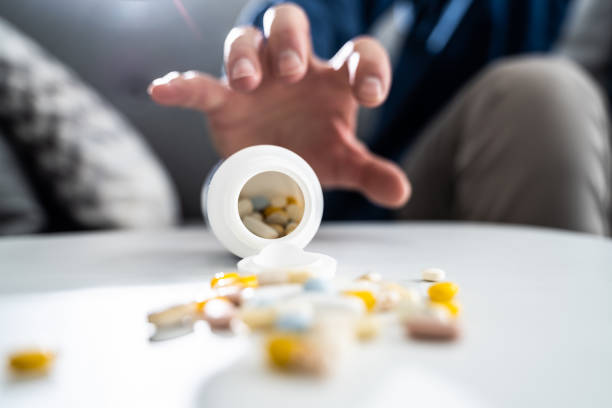
Medications are a cornerstone of treatment because they address the physical dependence that makes relapse so common. The three primary medications for OUD are:
1. Methadone
Methadone is a long-acting opioid that helps reduce cravings and withdrawal symptoms without producing the highs of short-acting opioids. It’s often administered in specialized clinics, allowing patients to stabilize their lives while staying safe.
2. Buprenorphine (Suboxone)
Buprenorphine partially activates opioid receptors to ease cravings and withdrawal. It’s a flexible option because it can be prescribed in-office or via telehealth. Many patients appreciate its accessibility and lower risk of misuse compared to methadone.
3. Naltrexone (Vivitrol)
Naltrexone blocks opioid effects entirely, preventing intoxication if a person relapses. Administered orally or as a monthly injection, it’s non-addictive and effective when paired with counseling and behavioral support.
Research consistently shows that medication-assisted treatment (MAT), using these medications alongside therapy and support, offers the highest rates of sustained recovery.
Behavioral and Psychosocial Therapies
Medications address the physical side of addiction, but behavioral and psychosocial therapies target the habits, thoughts, and emotions that fuel opioid use. Combining therapy with medication is far more effective than relying on medication alone.
Some common therapies include:
- Cognitive Behavioral Therapy (CBT): Helps people identify triggers and develop strategies to cope with cravings.
- Contingency Management: Rewards positive behaviors like attending sessions or staying opioid-free.
- Motivational Interviewing: Encourages reflection and strengthens commitment to recovery.
- Family Therapy: Improves communication and support within the household.
These therapies can be offered individually or in group settings. They equip patients with practical tools to handle stress, manage triggers, and rebuild relationships.

Detox and Withdrawal Management
Detox is often the first step in treatment. During this phase, the body clears opioids, and withdrawal symptoms, ranging from mild discomfort to severe physical and emotional distress, are carefully managed.
Medical supervision during detox is critical. Medications such as methadone or buprenorphine can ease withdrawal symptoms, making the process safer and more tolerable. Detox alone isn’t a complete treatment, it’s a starting point. Without follow-up care, relapse is common.
For example, someone completing detox may feel physically stable, but without therapy and support, the stressors and triggers in everyday life can make them vulnerable to returning to opioid use.
Factors to Consider When Choosing Treatment
When thinking about what is the best treatment for opioid use disorder, it’s important to recognize that personal factors play a huge role. Some key considerations include:
- Severity of Addiction: Chronic or heavy opioid use may require inpatient treatment or long-term MAT.
- Co-Occurring Mental Health Conditions: Anxiety, depression, or PTSD may need concurrent therapy alongside addiction treatment.
- Lifestyle and Preferences: Outpatient programs may suit someone with work or school commitments, while structured inpatient programs may be better for intensive support.
- Access and Support Systems: Proximity to clinics, family support, transportation, and insurance coverage all affect treatment success.
Working with a healthcare provider ensures that the plan fits both medical needs and daily life, which is crucial for long-term recovery.
Which One Is the Best Treatment for Opioid Use Disorder?
There isn’t a single treatment that’s universally best. The most effective approach is comprehensive, personalized, and evidence-based. Combining medication, therapy, and support leads to the most successful outcomes.
For example, someone might stabilize on buprenorphine, attend weekly CBT sessions, and participate in a peer support group. This combination addresses both the physical dependence and the behavioral patterns that contribute to opioid use.
The key takeaway is that successful recovery is multifaceted. It’s not just about stopping use, it’s about building skills, routines, and support networks that make lasting recovery possible.

Finding the Right Treatment Plan
Finding the right treatment plan can feel overwhelming, but you don’t have to do it alone. At Mighty Mental Health, we provide comprehensive care for opioid use disorder in Las Vegas and Summerlin NV. Our psychiatric nurse practitioner, Barbra Scheirer, works closely with patients to design individualized plans that may include:
- Medication-assisted treatment (methadone, buprenorphine, or naltrexone)
- Behavioral therapies like CBT, contingency management, or family counseling
- Ongoing monitoring and support to reduce the risk of relapse
We accept Nevada Medicaid, CareSource, Silver Summit, Health Plan of Nevada, Molina, and Anthem, making quality care accessible. Patients can choose in-office consultations or telehealth visits, depending on what’s most convenient.
Recovery is a journey, not a single event. With the right combination of medical care, therapy, and support, individuals can regain stability, rebuild relationships, and reclaim their lives. Contact us today at 702-479-1600 or through our online contact form to start your personalized treatment plan.
Frequently Asked Questions
How do I know which treatment is right for me or my loved one?
The best treatment depends on factors like severity of opioid use, co-occurring mental health conditions, personal preferences, and access to support. A professional assessment ensures a safe and effective plan tailored to your needs.
Is therapy necessary for opioid addiction treatment?
Yes. While medications manage cravings and withdrawal, therapy addresses the emotional and behavioral components of addiction. Combining therapy with medication is proven to improve long-term outcomes.
Are there support programs after treatment?
Yes. Support programs, including peer groups, follow-up therapy, and community resources, are crucial for maintaining recovery. Ongoing engagement helps prevent relapse and provides accountability and encouragement.