
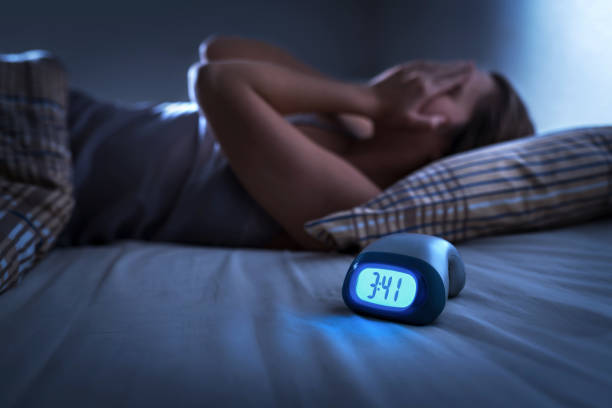
Many Summerlin adults find themselves caught in a frustrating rhythm: long days filled with pressure and constant stimulation followed by nights of restless, low-quality sleep. The two issues feed off each other, creating a cycle that can be surprisingly hard to break. The connection between stress and sleep in Summerlin has become increasingly noticeable as more residents navigate demanding careers, financial pressures, and the fast pace of life in the Las Vegas Valley. While stress disrupts the brain’s ability to relax and rest, poor sleep makes the mind more reactive and less resilient, amplifying stress even further. Understanding how these two forces interact is essential for anyone hoping to reclaim balance and improve both emotional and physical well-being.
Why Stress and Sleep Problems Are Rising Among Summerlin Adults
Summerlin is known for its beautiful master-planned communities, family-friendly environment, and high-achieving culture. Yet beneath the surface, many residents are managing a growing list of responsibilities. The rapid development of the area has brought more opportunities, but also increased expectations. Many adults are working longer hours, balancing hybrid or remote schedules, and navigating busier family routines. This alone places steady pressure on mental health.
In addition, the financial demands of living in a desirable neighborhood can heighten stress. Rising home prices, inflation, and competitive job markets leave many residents feeling stretched. Parents face academic and extracurricular pressures for their children, while professionals often feel they must constantly “perform” to keep up. Even retirees in the area report heightened stress due to health concerns, caregiving responsibilities, or changes in lifestyle.
Environmental factors also play a role. The extreme desert heat can make sleep uncomfortable, disrupt melatonin production, and force people indoors, reducing natural movement. Constant digital connectivity, a hallmark of modern living, adds another layer, late-night emails, social media, and streaming disrupt natural wind-down routines. All these factors together explain why both stress and sleep disturbances have risen noticeably among Summerlin adults.

How Stress Impacts Sleep
Chronic stress affects the body like a stuck accelerator pedal. Instead of slowing down at night, the nervous system remains in high gear. When the stress response system stays activated for long periods, the brain struggles to shift into the deep relaxation required for restorative sleep.
1. Racing Thoughts and Mental Overload
High stress often triggers worry loops: reviewing to-do lists, replaying conversations, or anticipating tomorrow’s challenges. These thoughts keep the brain alert when it should be disengaging.
2. Elevated Cortisol Levels
Stress causes the body to release cortisol, a hormone that keeps you awake and alert. When cortisol remains elevated at night, falling asleep becomes difficult and sleep remains shallow.
3. Muscle Tension and Physical Discomfort
Stress naturally tightens the body. Many Summerlin adults experience jaw clenching, headaches, or back tension, discomfort that makes settling into bed less peaceful.
4. Increased Nighttime Sensitivity
Even mild noises or temperature shifts can wake someone who is stressed. The body stays hyper-aware, scanning for threats even in safe environments.
These combined effects chip away at sleep quality, leaving individuals feeling unrefreshed even if they spent hours in bed.

How Poor Sleep Increases Stress
Poor sleep affects far more than energy levels. It reshapes how the brain processes emotions and responds to challenges. When you’re sleep-deprived, you’re more likely to overreact, feel overwhelmed, or lose patience with situations that normally wouldn’t bother you.
1. Reduced Emotional Regulation
Without adequate sleep, the brain’s prefrontal cortex, responsible for logical decision-making, becomes less active. Meanwhile, the amygdala, which processes fear and stress, becomes more reactive.
2. Lower Stress Resilience
A well-rested body handles stress more gracefully. But with poor sleep, even minor stressors can feel major. This makes daily responsibilities feel heavier and increases feelings of burnout.
3. Higher Cortisol Production
Just as stress increases cortisol, poor sleep does too. The body perceives lack of sleep as a threat, releasing more stress hormones and creating a cycle that’s hard to escape.
4. Impaired Focus and Memory
When sleep suffers, cognitive function declines. This makes tasks take longer, work feel more overwhelming, and everyday challenges feel harder to manage.
This cycle explains why many Summerlin adults feel stuck, tired all day, anxious at night, and unsure where to begin.

Common Stressors Affecting Summerlin Adults Today
Life in Summerlin is rewarding, but it comes with its own set of stressors. Among the most common are:
- Career pressure and long working hours, especially in growing industries like healthcare, education, finance, and hospitality.
- Financial stress, including mortgages, childcare, and rising living costs.
- Family responsibilities, such as supporting children, teens, aging parents, or blended families.
- Health concerns, including chronic fatigue, anxiety, depression, and conditions like ADHD that impact daily functioning.
- Relationship stress, which often intensifies when sleep is disrupted.
- Digital overload, where constant notifications blur the boundary between work and personal life.
- Environmental discomfort, such as excessively hot nights or inconsistent sleep environments.
These stressors accumulate over time, subtly creating sleep problems that may not show up until the cycle is firmly in place.

Practical Strategies to Improve Stress and Sleep for Summerlin Residents
Improving sleep and managing stress doesn’t require dramatic life changes. Often, small and intentional habits create the biggest impact.
1. Establish a Predictable Sleep Routine
Going to bed and waking at the same time stabilizes the internal clock. Even on weekends, consistency helps reset healthy patterns.
2. Create a Relaxing Pre-Bed Ritual
Simple practices, gentle stretching, warm showers, reading, journaling, signal the brain to wind down.
3. Limit Evening Screen Exposure
Phones and tablets emit blue light, which interferes with melatonin and prolongs alertness. Try unplugging an hour before bed.
4. Support Your Body with Movement
Daily walks, fitness classes, yoga, or outdoor activity all reduce stress hormones and promote deeper sleep.
5. Avoid Stimulants Late in the Day
Caffeine, heavy meals, and alcohol can keep your system activated long into the night.
6. Improve Your Bedroom Environment
A cool room, blackout curtains, and comfortable bedding are especially important in Las Vegas heat.
7. Seek Professional Help When Needed
If insomnia or chronic stress persists, professional care can help identify underlying conditions and provide effective treatment.

How Mighty Mental Health Can Help You Break the Stress–Sleep Cycle
Mighty Mental Health specializes in understanding the profound connection between stress and sleep in Summerlin adults. Our approach combines science-based assessment, individualized treatment planning, and compassionate care to help patients finally break the cycle.
Our services include:
✓ Psychiatric Evaluation
A comprehensive evaluation helps us understand your symptoms, medical history, lifestyle habits, and sleep patterns.
✓ Medication Management
When appropriate, targeted medications can ease anxiety, stabilize mood, or treat insomnia safely and effectively.
✓ Therapy Referrals
We connect patients with trusted therapists who offer CBT, EMDR, trauma therapy, and cognitive-behavioral therapy for insomnia (CBT-I).
✓ ADHD Testing
Many adults experience stress and sleep difficulties due to undiagnosed ADHD. Our testing provides clear answers and treatment options.
✓ Insomnia Management
We help patients improve sleep through behavioral strategies, supportive medication options, and personalized care plans.
✓ Telehealth for Summerlin Residents
Convenient, accessible appointments from home make it easier to maintain consistent care.
Under the guidance of Psychiatric Nurse Practitioner Barbra Scheirer, patients receive thoughtful, customized treatment that honors the whole person, not just symptoms.
Final Thoughts
The connection between stress and sleep in Summerlin is more than a coincidence, it’s a cycle that affects emotional stability, physical health, work performance, and overall quality of life. But with the right support, balance is absolutely achievable.
At Mighty Mental Health, we proudly serve the Summerlin and greater Las Vegas community with compassionate psychiatric care. As a psychiatry and medication management office, we accept insurance such as Nevada Medicaid, Silver Summit, Health Plan of Nevada, Molina, and Anthem, making quality care more accessible. Our treatment plans may include therapy referrals, medication, lifestyle strategies, and insomnia management to ensure a well-rounded approach to your well-being.
Whether you prefer telehealth visits or in-office consultations, our team is here to support your journey toward better sleep, reduced stress, and improved mental health.
Contact us today at 702-479-1600 or reach out through our secure contact form. Relief starts with a single step, and we’re here to walk with you.

Frequently Asked Questions
How do psychiatric providers treat stress-related sleep problems?
Providers assess both mental and physical factors contributing to stress and insomnia. Treatment may include medication, CBT-I techniques, therapy referrals, lifestyle changes, or addressing underlying issues like anxiety, depression, or ADHD.
What sleep disorders are commonly mistaken for stress?
Insomnia disorder, sleep apnea, circadian rhythm disorders, and restless legs syndrome are often dismissed as “stress.” Proper evaluation ensures accurate diagnosis and effective treatment.
Does Mighty Mental Health offer treatment for both stress and sleep disorders?
Yes. Mighty Mental Health provides psychiatric evaluations, insomnia management, medication treatment, and therapy referrals to address both stress and sleep disturbances comprehensively.