
Medically reviewed by Barbra Scheirer,
Psychiatric Mental Health Nurse Practitioner at Mighty Mental Health.
Last medically reviewed November 3, 2025
Mental health treatments can be highly effective, with therapy, medication, or both helping reduce symptoms and improve daily functioning when care is personalized and consistent.
Mental health is an essential component of overall wellness, influencing how we think, feel, and behave every day. Despite its importance, mental health conditions often go unrecognized or untreated, leaving many to struggle silently. One of the most common concerns people have is: “how effective is mental health treatment?”
The truth is, mental health treatment has advanced significantly over the past few decades, offering hope and measurable improvement for millions of individuals. Treatment effectiveness depends on multiple factors, including the type of mental health condition, its severity, the treatment approach used, and the individual’s engagement in the process.
It’s important to understand that mental health treatment isn’t about a quick fix. Like physical health, mental wellness requires ongoing care, assessment, and adjustment. While some treatments may produce rapid symptom relief, many require consistent effort over time. Knowing what treatments are available and how they work can empower individuals to make informed decisions and achieve better outcomes.
Knowing the Different Types of Mental Health Treatments
Mental health treatment is diverse, ranging from therapeutic interventions to medications and lifestyle modifications. The choice of treatment depends on an individual’s needs, preferences, and specific condition. Understanding these types can clarify why some treatments work better for certain individuals than others.
1. Psychotherapy (Talk Therapy):
Psychotherapy involves discussing emotions, thoughts, and behaviors with a licensed professional. Cognitive Behavioral Therapy (CBT) helps identify and change negative thought patterns. Dialectical Behavior Therapy (DBT) focuses on emotional regulation and interpersonal effectiveness, while psychodynamic therapy explores the root causes of behavior based on past experiences. Therapy can be provided individually, in groups, or even online via telehealth platforms.
2. Medication Management:
Medications are often essential for managing biochemical imbalances in the brain. Antidepressants, antipsychotics, mood stabilizers, and anxiolytics help reduce symptoms of depression, anxiety, bipolar disorder, and other mental health conditions. Medications are most effective when prescribed by a qualified provider and monitored regularly to ensure safety and efficacy.
3. Telehealth Counseling:
Telehealth has revolutionized mental health care, making it accessible for those who may face barriers such as mobility issues, distance, or scheduling conflicts. Patients can engage in therapy and medication management sessions remotely, without compromising the quality of care.
4. Complementary and Lifestyle Approaches:
Exercise, sleep hygiene, balanced nutrition, meditation, and mindfulness practices can enhance traditional treatments. These approaches often complement therapy and medication, improving overall outcomes and reducing relapse risk.
By combining these treatments or choosing the ones that best fit an individual’s situation, mental health care becomes more personalized and effective.
How Does Mental Health Treatment Work?
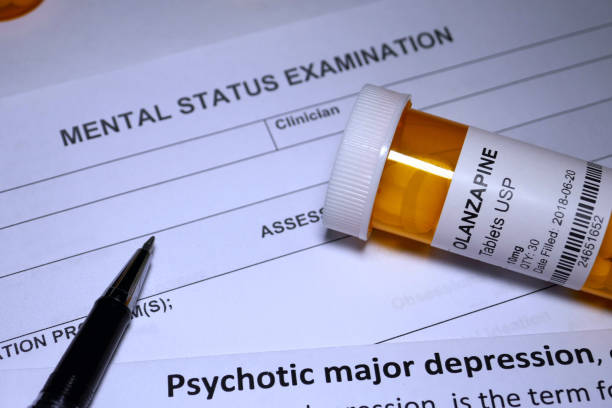
Mental health treatment works by addressing both the symptoms and root causes of mental health conditions. Therapy helps individuals develop coping strategies, recognize unhealthy thought patterns, and cultivate emotional resilience. Medications, when appropriately prescribed, correct chemical imbalances in the brain, helping stabilize mood and improve cognitive function.
The treatment process generally begins with a comprehensive evaluation. A qualified mental health professional reviews a patient’s history, current symptoms, lifestyle factors, and personal goals. This evaluation forms the basis of a tailored treatment plan, which may include weekly therapy sessions, a medication regimen, or recommendations for lifestyle changes.
An important part of treatment is monitoring and adjustment. Mental health professionals track progress, assess side effects, and modify the plan as needed to ensure the highest level of effectiveness. This iterative process makes mental health treatment dynamic and responsive to individual needs.
What Factors Influence the Effectiveness of Mental Health Treatment?
The question of how effective is mental health treatment cannot be answered in isolation. Several factors influence outcomes, and understanding them can help set realistic expectations:
1. Severity of the Condition:
Individuals with mild anxiety or depression may respond quickly to therapy or lifestyle changes, while those with severe or chronic conditions may require more intensive treatment.
2. Type of Treatment:
Some disorders respond better to specific approaches. For example, CBT is particularly effective for anxiety and depression, while medications may be necessary for bipolar disorder or schizophrenia.
3. Patient Engagement and Consistency:
Active participation in therapy sessions, adherence to prescribed medication, and commitment to lifestyle changes greatly increase the likelihood of success.
4. Quality of the Therapeutic Relationship:
Trust, rapport, and communication between patient and provider are critical. Patients who feel understood and supported are more likely to engage in the treatment process fully.
5. Support Systems:
Family, friends, and peer support networks can reinforce positive change, provide encouragement, and help maintain accountability.
6. Coexisting Conditions:
The presence of other health issues, such as chronic illnesses or substance use disorders, can influence treatment effectiveness. Addressing these conditions alongside mental health concerns often improves outcomes.
Recognizing these factors emphasizes that mental health treatment is not only about the interventions themselves but also about the environment and context in which care occurs.

How Effective Are Mental Health Treatments?
Research consistently demonstrates that mental health treatments are highly effective when appropriately applied. Therapy has been shown to significantly reduce symptoms of depression, anxiety, PTSD, and other disorders. Cognitive Behavioral Therapy, in particular, has strong evidence for helping patients develop lasting coping mechanisms.
Medications also play a crucial role. Antidepressants, mood stabilizers, and antipsychotics can bring dramatic relief to individuals with mood disorders or psychosis. Importantly, combining therapy and medication often yields the best results, particularly for moderate to severe cases.
Effectiveness, however, is not solely determined by the treatment type. Individualized care, treatment adherence, and consistent follow-up significantly influence outcomes. Mental health treatment works best when it addresses the whole person, emotions, thoughts, behaviors, and environment, rather than focusing on symptoms alone.
It’s also worth noting that some patients experience improvement faster than others. Some may notice changes within weeks, while others may need months of consistent treatment to experience significant progress. Patience, persistence, and open communication with providers are key components of successful treatment.
When to Seek Professional Help
Early intervention in mental health can prevent conditions from worsening and improve long-term outcomes. It’s important to seek professional help if you experience:
- Persistent feelings of sadness, hopelessness, or anxiety
- Difficulty completing daily tasks or responsibilities
- Mood swings, irritability, or sudden changes in behavior
- Thoughts of self-harm or suicidal ideation
- Severe stress impacting work, school, or personal relationships
Recognizing the signs and seeking timely support can dramatically improve the effectiveness of treatment and help individuals regain control over their mental health.

Finding the Right Treatment Plan for Your Mental Health Needs
Finding the right mental health treatment plan involves personalized care. Psychiatric professionals evaluate symptoms, medical history, and patient goals to create an individualized approach. This may include therapy, medication, lifestyle modifications, or a combination of these treatments.
At Mighty Mental Health, we specialize in psychiatry and medication management, offering comprehensive treatment plans tailored to each patient’s needs. Our Psychiatric Nurse Practitioner, Barbra Scheirer, works closely with patients to develop plans that may include therapy, medication, or both, ensuring a well-rounded approach to care.
We proudly serve Las Vegas and Summerlin, NV, providing telehealth visits and in-office consultations. We accept Nevada Medicaid, Caresource, Silver Summit, Health Plan of Nevada, Molina, and Anthem, making quality mental health care accessible. By focusing on both medical and therapeutic interventions, our goal is to answer the question, “how effective is mental health treatment?” with real, measurable results.
If you or a loved one are seeking effective mental health care, contact us today at 702-479-1600 or through our contact form to schedule a consultation and start your journey toward mental wellness. Contact us now!

Frequently Asked Questions
How long does it take for mental health treatment to show results?
Results vary depending on the treatment type and individual condition. Therapy may take weeks or months to show significant progress, while some medications can provide relief in days to weeks. Consistent engagement is key.
Can mental health treatments work without medication?
Yes, some mental health conditions respond well to therapy, lifestyle changes, and supportive interventions alone. However, for moderate to severe conditions, medications may be necessary to achieve optimal outcomes.
What can I do to make mental health treatment more effective?
Engagement, consistency, and open communication with your provider are essential. Attending therapy sessions, following prescribed medication regimens, maintaining healthy habits, and seeking support from loved ones all enhance treatment effectiveness.
References
- National Institute of Mental Health (NIMH) — Mental health conditions, psychotherapy, and treatment information
- U.S. Food and Drug Administration (FDA) — Psychiatric medications and medication safety information
- World Health Organization (WHO) — Evidence-based mental health treatment and psychological intervention information
- American Psychiatric Association — Psychiatric care, treatment, and mental health resources
- Mighty Mental Health — Psychiatric care and medication management resources