
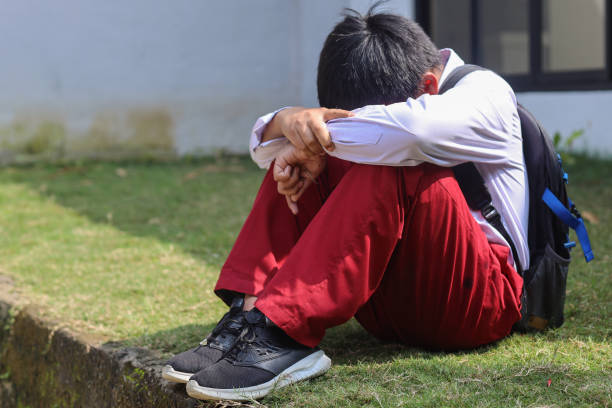
Back-to-school anxiety in Summerlin often emerges as children face new teachers, unfamiliar routines, academic pressure, and shifting social dynamics as the school year begins. It may show up as worry, irritability, sleep problems, or physical symptoms like stomachaches. By offering structure, reassurance, and emotional support, and seeking professional care when needed, Summerlin parents can help their kids transition into the new school year with confidence and a greater sense of emotional safety.
Understanding Back-to-School Anxiety
The start of a new school year brings excitement, but it can also create uncertainty, especially for children whose thoughts and emotions tend to run ahead of them. Back-to-school anxiety is a common experience, and in a community like Summerlin, where academic performance, extracurricular involvement, and social circles can play significant roles in a child’s daily life, the transition can feel especially overwhelming.
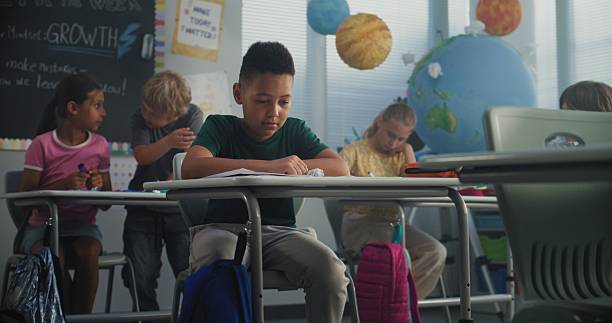
Children may worry about a variety of things:
• Will I make friends?
• Will my new teacher like me?
• What if the work is too hard?
• What if no one wants to sit with me at lunch?
For some kids, these questions pass quickly. For others, they snowball into persistent fear or discomfort. Children might feel uncertain about expectations they haven’t yet experienced, or they may carry memories from the previous school year, academic challenges, friendship conflicts, or even bullying, that make them nervous to begin again.
Back-to-school anxiety in Summerlin often starts subtly. Parents may notice their child becoming more withdrawn, more dependent, or more irritable as the first day approaches. Even confident kids can feel uneasy about shifting from a relaxed summer schedule into a structured environment filled with responsibilities. Understanding this anxiety is the first step toward easing it; when parents know what their child is experiencing, they can respond with empathy and strategy rather than frustration or dismissiveness.

Signs Your Child May Be Experiencing Anxiety
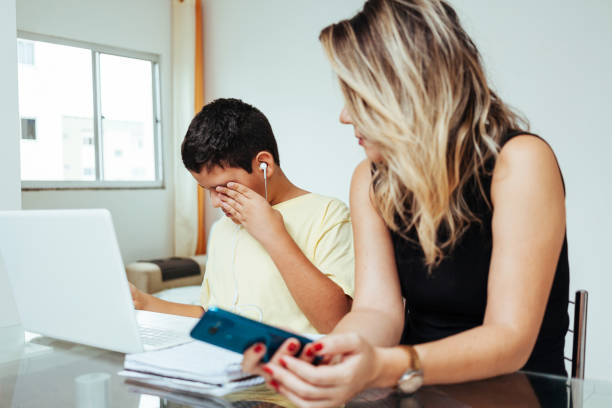
Anxiety doesn’t always look like fear. Children rarely say, “I’m anxious.” Instead, they show it through behaviors, physical reactions, or changes in personality. Recognizing the signs early can help parents intervene before anxiety becomes overwhelming or interferes with daily functioning.
Emotional Indicators
Some children may express constant worry, asking repeated questions about school or imagining worst-case scenarios. Others may become tearful without a clear reason or express dread when discussing the upcoming school year. You may notice:
- Heightened irritability or sensitivity
- Emotional outbursts over small triggers
- Negative self-talk, such as “I’m not smart enough” or “Nobody will like me”
Behavioral Indicators
Anxiety often appears through actions rather than words. Watch for:
- Avoiding school-related activities like shopping for supplies or attending orientation
- Procrastinating when preparing for school routines
- Difficulty focusing on tasks they normally handle with ease
- Increased clinginess or reluctance to separate from caregivers
Some children may suddenly insist they can’t sleep alone, want to stay unusually close to their parents, or fear being away from the house, even for activities they typically enjoy.
Physical Indicators
Children experiencing back-to-school anxiety in Summerlin frequently report physical symptoms that seem unrelated to illness:
- Morning stomachaches
- Headaches
- Nausea or loss of appetite
- Muscle tension or fatigue
These symptoms often disappear on weekends or during breaks, resurfacing as soon as school is mentioned or the first day comes closer.
While occasional worry is normal, consistent patterns, especially those interfering with sleep, appetite, or social engagement, may suggest your child needs additional support.
How Parents Can Help Their Kids Cope
Helping a child through back-to-school anxiety requires patience, consistency, and understanding. Parents play a central role in shaping how children perceive stress, and with the right approach, you can make the transition far easier and more emotionally manageable.
Start Routines Ahead of Time
Children thrive on predictability. A week or two before school begins, begin adjusting bedtimes, wake-up times, and meal schedules. Slowly reintroduce morning routines, homework time, or quiet reading periods, giving your child’s mind and body enough time to adjust.
Initiate Gentle, Open Conversations
Instead of asking, “Are you nervous?” try asking open-ended questions like:
- “What are you most curious about for this school year?”
- “What part of school feels tricky for you?”
- “Is there something you wish you could change to feel more comfortable?”
These questions help shift the conversation from anxiety to problem-solving. Listen without rushing to reassure. Sometimes simply being heard is enough to lower a child’s anxiety.
Validate Their Feelings
Children need to know it’s okay to feel nervous. Avoid saying things like “There’s nothing to worry about.” Instead, say:
- “It makes sense that you feel this way.”
- “Starting something new can feel hard.”
- “Let’s figure this out together.”
Validation creates safety and reinforces that emotions, even uncomfortable ones, are manageable.
Create Familiarity Before the First Day
If possible, visit the school ahead of time. Walk the halls, find the classroom, practice drop-off routes, or explore the playground. Familiarity reduces the fear of the unknown and helps kids picture themselves navigating their day with confidence.
Practice Relaxation Skills
Teach your child simple coping tools they can use at home or school, such as:
- Slow, deep breathing
- Counting exercises
- Gentle stretching
- Squeezing a stress ball
- Using grounding techniques (like the 5-4-3-2-1 method)
These strategies empower children to manage anxiety independently.
Reduce Overcommitment
Summerlin families often keep packed schedules, but during the first few weeks of school, it may help to reduce extracurricular load. Children need time to adjust to their new environment before taking on additional responsibilities.
Be a Model of Calm Behavior
Children look to their parents for cues. When you remain calm and confident, they absorb that energy. Showing visible stress or frustration can heighten your child’s anxiety, even if you don’t intend it.
With steady guidance, children can learn resilience and emotional flexibility, skills that benefit them throughout life.
When to Seek Professional Help
If your child’s anxiety begins interfering with daily life, it may be time to seek professional support. Consider reaching out for help if you notice:
- Persistent physical complaints that aren’t explained by illness
- School refusal or extreme difficulty separating from caregivers
- Intense fear that lasts beyond the first few weeks of school
- Sudden changes in mood, appetite, sleep, or academic performance
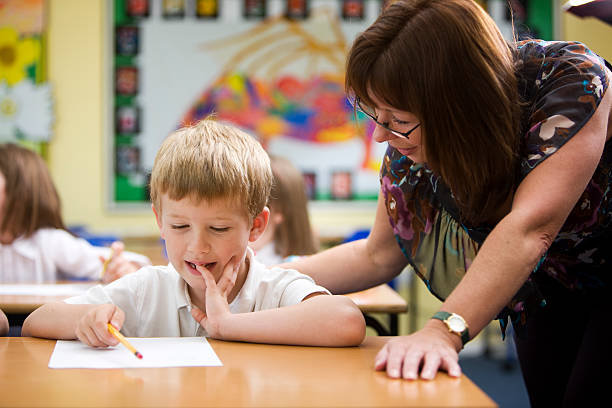
Early intervention can prevent anxiety from worsening or becoming entrenched. Mental health care allows children to express feelings, learn coping tools, and reframe anxious thoughts in a supportive environment.
Book a Consultation Today!
Back-to-school anxiety in Summerlin can feel overwhelming for both children and parents, but you don’t have to navigate it alone. Mighty Mental Health offers compassionate, evidence-based support for children experiencing school-related anxiety, emotional challenges, or adjustment difficulties. We accept Nevada Medicaid, Silver Summit, Health Plan of Nevada, Molina, and Anthem, and create individualized treatment plans that may include therapy referrals, supportive guidance, or medication management when needed.
Our Psychiatric Nurse Practitioner, Barbra Scheirer, provides thoughtful, family-centered care to help children build confidence, reduce anxiety, and strengthen emotional resilience.
Mighty Mental Health is a trusted psychiatry and medication management office in Las Vegas and Summerlin, NV, offering Telehealth visits and in-office consultations to fit your family’s needs.
Call us today at 702-479-1600 or connect through our online contact form to schedule your child’s consultation.
Your child deserves a supported, confident start to the school year, and we’re here to help.

Frequently Asked Questions
What is back-to-school anxiety and is it normal?
Back-to-school anxiety is a stress reaction children feel before returning to school. It is extremely common and often connected to routine changes, academic pressure, or social uncertainty. While normal, consistent or severe symptoms may require additional support.
What are some quick strategies to reduce anxiety at home?
Breathing exercises, grounding techniques, predictable routines, evening wind-down rituals, and practicing school-related tasks (like organizing backpacks) can help reduce anxiety quickly and effectively.
How can I tell if my child’s anxiety is serious?
If your child’s worry affects sleep, appetite, behavior, or school attendance, or if they express fear that doesn’t improve with reassurance, it may be time to consult a mental health professional for further evaluation and guidance.