

Medically reviewed by Barbra Scheirer,
PMHNP-BC, Psychiatric Mental Health Nurse Practitioner at Mighty Mental Health Last
medically reviewed: July 27, 2026
Mild, situational sadness often improves on its own, but clinical depression usually needs treatment. Without it, symptoms typically persist, worsen, or return, rather than resolving on their own.
It is a question almost everyone asks themselves at some point, usually alone, late at night, after weeks of feeling like nothing quite lifts. Can depression go away on its own without treatment? It is a fair question, and an understandable one. Sometimes low moods do pass. Sometimes a rough patch really is just a rough patch. But clinical depression behaves differently than an ordinary bad stretch, and understanding that difference matters more than it might seem at first.
This article walks through what depression actually is, what tends to happen when it goes untreated, the signs that suggest professional support is needed, and what real treatment looks like when someone is ready for it.
Why People Wait Before Asking for Help
Part of the reason this question comes up so often is that depression can be quiet. It does not always look like crying or visible distress. Sometimes it looks like exhaustion that sleep does not fix, or a slow disappearance of interest in things that used to matter. That quietness is exactly why so many people wonder whether it will just resolve if they wait it out.
Understanding Depression: More Than Just Sadness
It Is a Clinical Condition, Not a Mood
Sadness is a temporary emotional response to something specific, a loss, a disappointment, a hard week. Clinical depression is different. It is a diagnosable condition that affects mood, energy, sleep, appetite, concentration, and motivation, often without a single clear cause. It can show up even when life circumstances look fine from the outside, which is part of what makes it confusing for both the person experiencing it and the people around them.
Common Symptoms Beyond Low Mood
Persistent fatigue, changes in appetite or weight, difficulty concentrating, sleeping too much or too little, and a loss of interest in activities that once felt enjoyable are all common markers. Physical symptoms, like unexplained aches or a general sense of heaviness, are also frequently part of the picture, even though depression is often talked about purely in emotional terms.
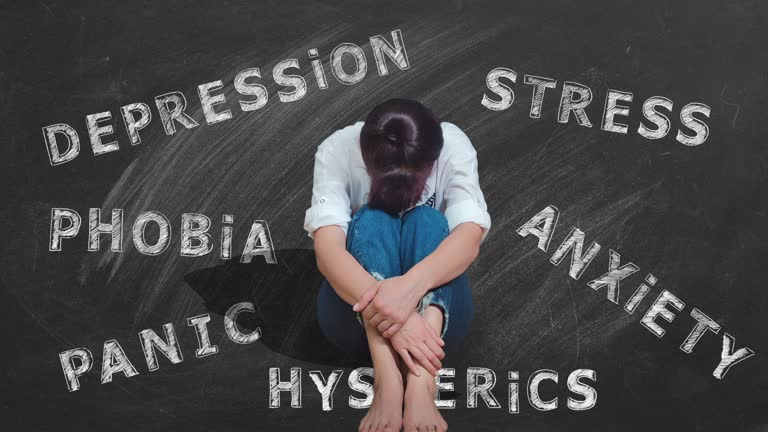
Can Depression Go Away on Its Own Without Treatment?
The Honest, Nuanced Answer
For very mild or situational low mood, tied clearly to a specific stressor, improvement without formal treatment does sometimes happen, particularly once the triggering circumstance resolves. But for clinical depression, meaning symptoms that persist most of the day, nearly every day, for two weeks or longer, the honest answer is that it usually does not simply resolve on its own. Many people ask whether depression can just go away on its own hoping the answer is a simple yes, but the research and clinical experience both point toward a more complicated reality.
Why This Question Gets Complicated
Depression can genuinely have periods where it feels lighter, which understandably leads people to believe it has resolved. But without addressing the underlying factors, whether that means brain chemistry, unresolved stressors, or ingrained thought patterns, those lighter periods are often temporary rather than a true recovery.
Why Untreated Depression Often Persists or Worsens
The Cycle That Keeps It Going
Depression tends to reduce the very things that would normally help someone feel better, motivation, social connection, and energy for self-care. That creates a cycle: the less someone does, the worse they tend to feel, and the worse they feel, the harder it becomes to do the things that might help. Without intervention, this cycle often deepens rather than breaking on its own.
Brain Chemistry Does Not Always Self-Correct
Depression is associated with disruptions in neurotransmitter activity and stress-response systems in the brain. In some cases, these systems can shift back toward balance with time, rest, and improved circumstances. In many others, particularly with moderate to severe depression, professional treatment is what actually helps regulate that imbalance rather than time alone.
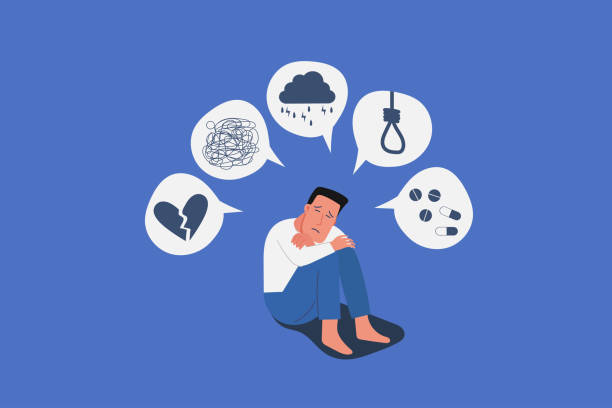
Signs Depression Needs Professional Support
Duration and Intensity Matter
If a low mood has lasted more than two weeks, affecting your ability to work, maintain relationships, or care for yourself, that is a strong signal that this has moved beyond an ordinary rough patch and into something that benefits from professional evaluation.
Watch for These Specific Signs
- Loss of interest in nearly everything you used to enjoy
- Sleep or appetite changes that persist for weeks
- Difficulty concentrating on basic daily tasks
- Withdrawing from friends, family, or usual routines
- Feeling hopeless, worthless, or persistently numb
Any one of these on its own might not mean much, but several occurring together, especially for an extended stretch, is worth bringing to a professional rather than waiting to see if it passes.
Risks of Waiting to Seek Treatment
Symptoms Can Deepen Over Time
Untreated depression does not tend to stay static. It often intensifies, spreading into more areas of daily life, work performance, relationships, physical health, the longer it goes unaddressed.
Physical Health Consequences
Depression has documented links to sleep disruption, weakened immune response, and increased risk for other chronic health conditions. The mind and body are not separate systems, and prolonged untreated depression tends to show up physically as well as emotionally.
The Longer It Goes On, the Harder Recovery Can Feel
This is not meant to create pressure, but it is worth naming honestly: the longer depression goes untreated, the more entrenched the patterns around it can become, which sometimes makes the path back to feeling better feel longer than it needed to be.

What Effective Depression Treatment Looks Like
There is no one-size-fits-all approach to treating depression. The most effective treatment plan depends on each person’s symptoms, medical history, lifestyle, and treatment goals.
Comprehensive Psychiatric Evaluation
Treatment typically begins with a thorough psychiatric assessment that explores:
- Current symptoms
- Medical history
- Family history
- Previous treatments
- Stressors
- Sleep patterns
- Physical health
- Medication history
This evaluation helps identify the most appropriate treatment options.
Medication Management
For moderate to severe depression, antidepressant medications may be recommended.
These medications help regulate brain chemicals involved in mood, emotion, and stress response. While antidepressants generally take several weeks to reach their full effect, they can significantly reduce symptoms for many individuals.
Medication decisions should always be individualized and monitored by a qualified psychiatric provider.
Evidence-Based Therapy
Psychotherapy remains one of the most effective treatments for depression.
Approaches such as Cognitive Behavioral Therapy (CBT), interpersonal therapy, and other evidence-based counseling methods help patients:
- Recognize negative thinking patterns
- Develop healthier coping strategies
- Improve emotional resilience
- Strengthen relationships
- Prevent future depressive episodes
For many individuals, combining therapy with medication produces the best long-term outcomes.

Healthy Lifestyle Habits Support Recovery
Lifestyle changes alone may not completely treat clinical depression, but they play an important supporting role.
Helpful habits include:
- Regular physical activity
- Consistent sleep routines
- Balanced nutrition
- Mindfulness practices
- Stress reduction techniques
- Strong social support
- Limiting alcohol and recreational drug use
These strategies work best when incorporated into a comprehensive treatment plan designed by a mental health professional.
Schedule a Consultation with Our Team Today
So, can depression go away on its own? For milder, situational low moods, sometimes. For clinical depression, the more accurate and useful answer is that treatment gives people a far more reliable path forward than simply waiting it out. Recognizing the difference early, and reaching out for support when symptoms persist, can make a meaningful difference in how long recovery takes and how it feels along the way.
At Mighty Mental Health, our Psychiatric Nurse Practitioner, Barbra Scheirer, works with patients to build a treatment plan suited to their specific symptoms and history, whether that means medication management, a therapy referral, or both as part of a well-rounded approach to care. We accept Nevada Medicaid, CareSource, Silver Summit, Health Plan of Nevada, Molina, and Anthem, and we offer both telehealth visits and in-office consultations at our Las Vegas and Summerlin, NV locations. If you are ready to talk through your options, contact our office today at 702-479-1600 or through our online contact form.

Frequently Asked Questions
How long can depression last if untreated?
Untreated depression can last months or even years, and episodes often recur if the underlying causes are never addressed, though the exact duration varies widely from person to person.
What’s the difference between sadness and clinical depression?
Sadness is typically tied to a specific event and tends to lift with time. Clinical depression persists most of the day, nearly every day, for two weeks or longer, and affects sleep, appetite, concentration, and daily functioning beyond just mood.
Is it normal for depression to come and go?
Depression can fluctuate in intensity, with periods that feel lighter, but that pattern does not necessarily mean it has resolved. Persistent or recurring symptoms are worth discussing with a professional rather than assuming they will stay away.
Can lifestyle changes alone treat depression?
Exercise, sleep, and social connection can meaningfully support recovery, but for moderate to severe depression, lifestyle changes alone are often not enough. Combining them with professional treatment tends to produce more reliable, lasting results.
References