

Vyvanse and Ritalin are ADHD medications that differ in duration, effects, and side effects; the best choice depends on your daily needs and guidance from a healthcare professional.
If you or someone you care about has ADHD, you’ve probably heard about Vyvanse and Ritalin. They’re two of the most commonly prescribed medications for managing ADHD symptoms, but they aren’t exactly the same. Choosing the right one isn’t just about picking a name from a list, it’s about finding a medication that fits your lifestyle, your body chemistry, and the way your ADHD shows up in everyday life.
Some people need medication that lasts all day so they can focus from morning to night, while others need something that kicks in quickly for bursts of attention during school or work. Understanding the differences between Vyvanse vs Ritalin helps you make an informed choice, so you’re not just guessing what might work best. In this article, we’ll break down everything you need to know in a clear, practical way.
What Is Vyvanse?
Vyvanse (lisdexamfetamine) is a stimulant medication designed to help manage ADHD symptoms in children, teens, and adults.. What makes Vyvanse a little different is that it’s a prodrug. This means it’s inactive until your body metabolizes it, releasing the active ingredient gradually. Think of it like a slow-release energy drink, rather than spiking your system all at once, it provides a steady boost throughout the day.
Most people take Vyvanse once in the morning. Its effects can last up to 14 hours, which makes it especially helpful for adults or kids who need coverage for school or work without worrying about taking a second dose mid-day.
Common side effects include:
- Mild insomnia
- Decreased appetite
- Dry mouth
- Slight stomach upset
In rare cases, Vyvanse can affect heart rate or blood pressure, which is why regular monitoring by a healthcare professional is important. Many people report that the gradual effect of Vyvanse feels smoother and more manageable than shorter-acting ADHD medications, without the abrupt “crash” that some experience.
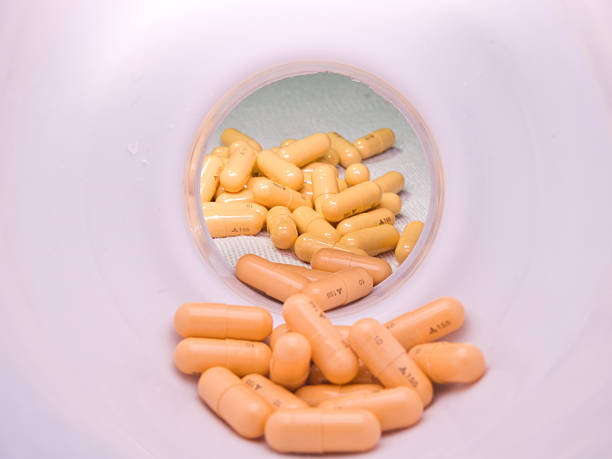
What Is Ritalin?
Ritalin (methylphenidate) is another stimulant commonly prescribed for ADHD. Unlike Vyvanse, it starts working quickly, often within 30 to 60 minutes, making it ideal for situations where immediate focus is needed.
Ritalin comes in both immediate-release (IR) and extended-release (ER) forms. The IR version typically lasts 3–4 hours, while ER versions can last up to 8 hours. This means some people may need multiple doses throughout the day, which can be a bit less convenient than a once-daily option like Vyvanse.
Side effects of Ritalin are similar to Vyvanse and can include:
- Loss of appetite
- Trouble sleeping
- Nervousness or jitteriness
- Mild increases in heart rate or blood pressure
Some people like Ritalin because it gives noticeable effects quickly, making it easier to adjust timing and doses depending on their schedule.
Key Differences Between Vyvanse and Ritalin
When comparing Vyvanse vs Ritalin, a few key differences stand out:
- Duration of Effect: Vyvanse typically lasts 10–14 hours, while Ritalin’s effect ranges from 3–8 hours depending on the formulation.
- Onset of Action: Ritalin works fast, which can be useful if you need focus right away. Vyvanse has a slower onset but a smoother effect over time.
- Dosing Frequency: Vyvanse is usually once daily, while Ritalin may require multiple doses, especially the immediate-release form.
- Abuse Potential: Vyvanse’s prodrug design makes it less likely to be misused compared to some forms of Ritalin.
- Side Effect Profile: Both medications can cause similar side effects, but individual reactions vary, some people tolerate one better than the other.
It’s important to remember that these differences aren’t about which drug is “better” in general, they’re about which fits a person’s unique needs. ADHD symptoms aren’t one-size-fits-all, so medication choice should be personalized.
Effectiveness and Side Effects of Vyvanse and Ritalin
Both Vyvanse and Ritalin are effective for improving focus, reducing impulsivity, and helping manage daily ADHD challenges. However, the way they affect people can differ based on individual factors like metabolism, lifestyle, and coexisting health conditions.
Vyvanse Effectiveness:
Many patients find Vyvanse helps them maintain consistent focus and energy throughout the day. Its extended release means fewer “ups and downs,” making it easier to stay on task for longer periods. This is especially helpful for adults managing work tasks or children navigating a full school day.
Ritalin Effectiveness:
Ritalin works quickly, which can be an advantage when immediate focus is needed. Extended-release Ritalin can cover a significant portion of the day, but some may need an extra dose in the afternoon to maintain attention.
Side Effects Comparison:
- Both medications can cause insomnia, decreased appetite, headaches, or stomach upset.
- Vyvanse tends to produce smoother energy levels with less jitteriness.
- Ritalin’s faster onset can occasionally lead to short-term irritability or a “rebound” effect when it wears off.
Ultimately, the right medication is about balancing effectiveness with tolerability. What works well for one person might not for another, so monitoring symptoms and side effects with a healthcare provider is essential.

Is Vyvanse Better Than Ritalin for Treating ADHD?
There’s no universal answer to this question. Whether Vyvanse vs Ritalin is better depends on individual needs.
Vyvanse might be better for:
- People who prefer once-daily dosing
- Those who need long-lasting, consistent focus
- Individuals concerned about the potential for misuse
Ritalin might be better for:
- People who need fast-acting medication for short periods
- Situations like exams or work deadlines
- Those who benefit from flexible dosing throughout the day
It’s all about fit. Some people may try both medications at different points in their treatment journey to see which aligns best with their daily routines, symptom patterns, and personal preferences.
When to Consult a Mental Health Professional
Even with detailed information, choosing the right ADHD medication requires professional guidance. Consider talking to a mental health professional if:
- You notice persistent difficulty managing focus, attention, or impulses
- You experience side effects that interfere with daily life
- You have concerns about medication misuse
- You’re exploring ADHD treatment for the first time
A qualified clinician can evaluate your symptoms, medical history, and lifestyle to recommend the most effective, safe medication. They can also integrate other therapies, behavioral strategies, counseling, or lifestyle adjustments, into a comprehensive ADHD management plan.
Struggling to Decide Which ADHD Medication Is Right for You?
Choosing between Vyvanse vs Ritalin doesn’t have to be overwhelming. At Mighty Mental Health, we provide personalized ADHD care for both children and adults in Las Vegas and Summerlin NV. Our psychiatric nurse practitioner, Barbra Scheirer, works closely with patients to create comprehensive treatment plans that may include prescribing the right medication, recommending therapy, or a combination of both.
We accept Nevada Medicaid, CareSource, Silver Summit, Health Plan of Nevada, Molina, and Anthem, making quality care accessible. Whether you prefer telehealth visits from the comfort of your home or in-office consultations, Mighty Mental Health provides the support you need to manage ADHD effectively.
If you’re ready to explore your options, schedule a consultation with us today by calling 702-479-1600 or through our online contact form.

Frequently Asked Questions
How do Vyvanse and Ritalin work for ADHD?
Both medications are stimulants that increase dopamine and norepinephrine in the brain, improving focus, attention, and impulse control. Vyvanse works gradually for long-lasting effects, while Ritalin acts quickly but may require multiple doses to maintain coverage.
Which medication lasts longer?
Vyvanse typically provides coverage for 10–14 hours, making it suitable for all-day symptom management. Ritalin’s duration depends on the formulation: 3–4 hours for immediate-release and up to 8 hours for extended-release.
How should I choose between Vyvanse and Ritalin?
Choosing depends on your daily schedule, symptom patterns, tolerance for side effects, and risk of misuse. Consulting a mental health professional ensures a tailored recommendation for your unique needs.