
When most people hear the name Suboxone, they immediately associate it with treatment for opioid addiction. It’s one of the most recognized medications in helping individuals manage opioid withdrawal and cravings. But a question that often arises is, is Suboxone used for alcohol addiction?
Alcohol addiction, or alcohol use disorder (AUD), affects millions of people every year. As research into addiction treatment continues to grow, experts are constantly looking for new ways to improve recovery outcomes. Suboxone, a medication known for its effectiveness in treating opioid use disorder (OUD), has sparked interest among some healthcare professionals who wonder if it could also help people struggling with alcohol dependence.
To answer that question, it’s important to understand how Suboxone works, its intended use, and what current research says about its potential role in treating alcohol addiction.
What is Suboxone Treatment?
Suboxone is a combination medication containing buprenorphine and naloxone. It was specifically developed to help individuals recover from opioid use disorder by reducing withdrawal symptoms and curbing cravings.
Buprenorphine is a partial opioid agonist, which means it activates the same receptors in the brain as opioids like heroin or oxycodone but produces a much milder effect. This helps relieve cravings and withdrawal without causing the intense euphoria associated with opioid misuse. Naloxone, on the other hand, is an opioid antagonist that blocks the effects of opioids, discouraging misuse and preventing relapse.
When taken as prescribed under medical supervision, Suboxone allows individuals to stabilize their brain chemistry, focus on therapy, and rebuild their lives. It’s typically used as part of a comprehensive treatment plan that may include counseling, behavioral therapy, and regular monitoring.
While Suboxone is highly effective for opioid dependence, its effects on alcohol addiction are less clear. Because both alcohol and opioids affect the brain’s reward system, researchers have explored whether Suboxone might also reduce alcohol cravings or help those struggling with alcohol use disorder.
Does Suboxone Help with Alcohol Cravings?
There has been increasing curiosity among clinicians and patients about whether Suboxone can help reduce alcohol cravings. This idea comes from the understanding that both alcohol and opioids influence the brain’s endorphin and dopamine systems, the very pathways associated with pleasure, motivation, and reward.
Buprenorphine, one of Suboxone’s main ingredients, interacts with the same opioid receptors involved in alcohol’s pleasurable effects. Because of this, some researchers have hypothesized that Suboxone might blunt the reinforcing effects of alcohol, potentially leading to reduced drinking.
However, clinical research on this topic remains limited. While a few small studies have suggested possible benefits, Suboxone is not currently approved by the FDA for treating alcohol addiction. Its effects on alcohol cravings appear inconsistent and may depend on individual brain chemistry, drinking patterns, and co-occurring substance use issues.
That said, some individuals with dual addictions, to both opioids and alcohol, have reported that Suboxone indirectly helped them control their drinking, possibly because it stabilized their overall mood and reduced stress. But these observations are anecdotal, and more evidence is needed before Suboxone can be confidently recommended for alcohol use disorder.
Does Suboxone Help Treat Alcohol Addiction?
While Suboxone is a powerful medication for opioid addiction, its role in alcohol addiction treatment is not well established. Currently, the FDA has approved Suboxone only for opioid use disorder, not for alcohol use.
Nonetheless, Suboxone may play an indirect role in helping individuals who struggle with both substances. Many people battling addiction use more than one substance, and the presence of co-occurring disorders can make recovery more complicated. In cases where someone is dependent on both opioids and alcohol, Suboxone might serve as one component of an overall treatment plan.
For example, by reducing opioid cravings and withdrawal symptoms, Suboxone can help individuals focus more effectively on addressing their alcohol use through therapy or other medications designed for alcohol dependence. However, Suboxone alone is not considered a substitute for approved alcohol addiction treatments.
It’s also essential to understand that addiction recovery is highly individualized. What works for one person may not work for another. This is why working closely with a qualified healthcare provider, such as a psychiatrist, addiction specialist, or psychiatric nurse practitioner, is vital to determine the safest and most effective treatment plan.
Risks of Mixing Suboxone and Alcohol
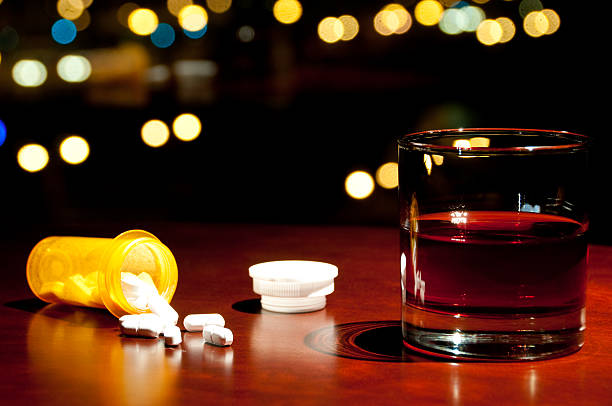
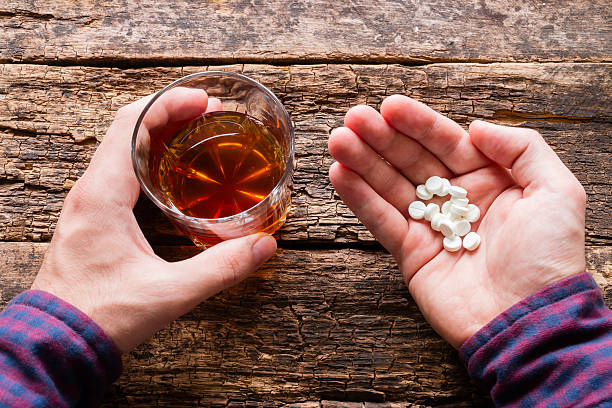
One of the most important things to understand about Suboxone and alcohol is that they should never be used together. Both substances are central nervous system depressants, meaning they slow down brain activity, breathing, and heart rate. When combined, the effects can be dangerous and even life-threatening.
Mixing Suboxone and alcohol increases the risk of:
- Severe drowsiness or loss of consciousness
- Respiratory depression (slowed or stopped breathing)
- Dangerous drops in blood pressure
- Coma or death
Additionally, alcohol can interfere with how Suboxone works in the body, reducing its effectiveness and increasing side effects. Long-term combined use can also cause liver damage, especially in people with pre-existing liver conditions.
Anyone prescribed Suboxone should discuss their alcohol use openly with their healthcare provider. Medical professionals can help adjust treatment plans safely, recommend alternative therapies, or offer additional support to address alcohol-related challenges without jeopardizing health.
Medications for Alcohol Use Disorder
While Suboxone is not used for alcohol addiction, there are several FDA-approved medications that have been scientifically proven to help individuals recover from alcohol dependence. These include:
1. Naltrexone (Revia or Vivitrol):
This medication blocks the euphoric effects of alcohol and helps reduce cravings. Interestingly, it acts on the same opioid receptors as buprenorphine, though in a different way, making it more suitable for alcohol dependence.
2. Acamprosate (Campral):
Helps stabilize the chemical balance in the brain disrupted by long-term alcohol use. It’s particularly effective in maintaining abstinence once someone has stopped drinking.
3. Disulfiram (Antabuse):
Creates an unpleasant physical reaction (such as nausea or headache) when alcohol is consumed, serving as a deterrent for relapse.
These medications are most effective when combined with therapy, counseling, and lifestyle changes. Recovery from alcohol addiction involves addressing both the physical and psychological aspects of dependence. That’s why individualized care plans are essential.
Find Substance Use Disorder Treatment Near Me
If you’re asking, is Suboxone used for alcohol addiction?, the short answer is no, at least not as a primary treatment. But that doesn’t mean you’re out of options. Recovery from alcohol use disorder is possible, especially with the right team and support system.
At Mighty Mental Health, we provide compassionate, evidence-based care for individuals struggling with substance use disorders, alcohol addiction, and co-occurring mental health conditions. Our approach is grounded in personalized treatment planning that considers each patient’s unique history, symptoms, and goals.
Under the care of our Psychiatric Nurse Practitioner, Barbra Scheirer, patients receive a thorough evaluation to determine the most effective treatment options. Whether that involves prescribing safe and appropriate medication or recommending therapy and counseling, our goal is to promote healing and long-term stability.
Mighty Mental Health proudly accepts Nevada Medicaid, Silver Summit, Health Plan of Nevada, Molina, and Anthem, making high-quality care more accessible to those in need. We’re a trusted psychiatry and medication management office based in Las Vegas and Summerlin, NV, offering both Telehealth visits and in-office consultations for your convenience.
If you or someone you love is struggling with alcohol or opioid addiction, don’t wait to seek help. Contact Mighty Mental Health today at 702-479-1600 or fill out our contact form to schedule an appointment. Recovery starts with one step, and we’re here to walk it with you.

Frequently Asked Questions
Is it safe to use Suboxone if I drink alcohol?
No, it’s not safe. Suboxone and alcohol both depress the central nervous system, which can slow breathing and heart rate to dangerous levels. Mixing them can lead to overdose, unconsciousness, or death. Always inform your healthcare provider if you drink alcohol while prescribed Suboxone.
Can Suboxone help with both opioid and alcohol addiction at the same time?
Suboxone is approved to treat opioid addiction, not alcohol addiction. However, in individuals with both conditions, Suboxone may be used to manage opioid dependence while other medications or therapies address alcohol use disorder. Always consult a medical professional for safe, combined treatment.
Should I talk to my doctor before trying Suboxone for alcohol addiction?
Absolutely. Because Suboxone is not approved for alcohol addiction, it should only be used under the guidance of a licensed healthcare provider. Your doctor can recommend approved treatments for alcohol use disorder and design a plan tailored to your specific needs.