
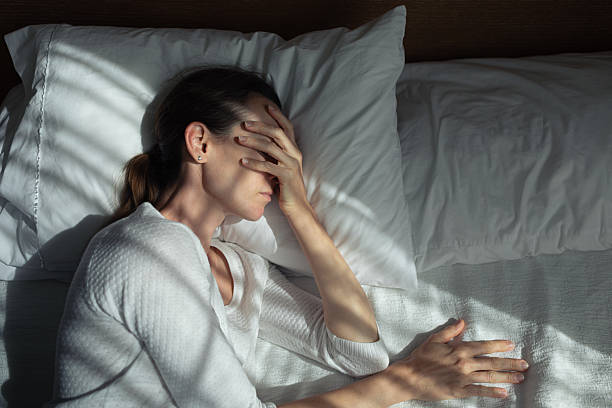
Untreated depression can worsen mental health, increase risk of chronic physical illness, disrupt daily functioning, and raise risk of severe emotional distress if professional care is not received.
Depression is more than just feeling sad or having a bad day. It’s a medical condition that affects how a person thinks, feels, and functions in daily life. When it is not addressed, the condition doesn’t simply stay the same, it often deepens over time.
Understanding the risks of untreated depression is important because many people delay seeking help, hoping symptoms will pass on their own. But depression rarely resolves without support. Instead, it can quietly influence sleep, energy levels, relationships, and even physical health.
The challenge is that depression doesn’t always look obvious. Some people continue working, taking care of responsibilities, and appearing “fine” on the outside while struggling internally. This is why awareness of its long-term impact matters so much.
Why Does Depression Go Untreated?
There are several reasons why depression often goes untreated, and most of them are more common than people realize.
Lack of Awareness
Some people don’t recognize that what they’re experiencing is depression. They may think it’s just stress, burnout, or personal weakness.
Stigma and Fear
There is still hesitation around mental health treatment. Some individuals worry about being judged or misunderstood if they seek help.
Gradual Onset
Depression can develop slowly. Because changes happen over time, it’s easy to adapt to symptoms without realizing how much they are affecting daily life.
Access to Care
For others, barriers like cost, time, or availability of mental health services can delay treatment.
When these factors combine, the condition can continue without intervention, increasing the risks of untreated depression.

How Untreated Depression Affects Your Mental Health
Depression primarily impacts mental and emotional well-being, and when left untreated, these effects often become more intense.
Persistent Low Mood
A constant feeling of sadness or emptiness can become the baseline emotional state. Over time, this can make it harder to experience joy or motivation.
Cognitive Changes
Depression can affect concentration, memory, and decision-making. Simple tasks may start to feel overwhelming or mentally exhausting.
Increased Anxiety and Irritability
Many people don’t realize that depression and anxiety often overlap. Untreated depression can lead to heightened worry, irritability, or emotional sensitivity.
Loss of Interest in Life
One of the more noticeable effects is a reduced interest in activities once enjoyed. Hobbies, social interactions, and even relationships can start to feel distant or unimportant.
These mental health changes can gradually reshape how a person sees themselves and the world around them, making recovery feel more difficult if support is delayed.
Physical Health Risks of Untreated Depression
Depression doesn’t only affect the mind, it also impacts the body in very real ways.
Sleep Disruptions
People may experience insomnia or excessive sleeping. Poor sleep quality can worsen fatigue and emotional instability.
Changes in Appetite and Weight
Some individuals eat significantly more, while others lose their appetite entirely. These shifts can lead to weight gain, weight loss, and nutritional imbalances.
Chronic Fatigue
Low energy is one of the most common symptoms. Over time, this can affect work performance, motivation, and physical activity levels.
Weakened Immune System
Research suggests that long-term depression may affect immune response, making the body more vulnerable to illness.
Increased Risk of Chronic Conditions
The risks of untreated depression may also include a higher likelihood of developing conditions like heart disease, high blood pressure, and diabetes, especially when combined with stress and lifestyle changes.
These physical effects often reinforce emotional symptoms, creating a cycle that becomes harder to break without treatment.

Can Untreated Depression Get Worse Over Time?
Yes, depression can worsen if it is not addressed. It does not typically remain static.
Escalation of Symptoms
What begins as mild sadness or fatigue can progress into more severe emotional distress, including feelings of hopelessness or emotional numbness.
Impact on Daily Functioning
Over time, it may become harder to maintain work responsibilities, relationships, or self-care routines. Even basic daily tasks can feel exhausting.
Increased Risk of Crisis Situations
In severe cases, untreated depression can lead to thoughts of self-harm or feelings of wanting to escape emotional pain. This is why early intervention is so important.
Development of Co-Occurring Conditions
Depression can also increase the likelihood of developing anxiety disorders or substance use issues as individuals try to cope with ongoing distress.
Understanding the risks of untreated depression highlights why early support matters, not just for recovery, but for preventing long-term complications.
Talk to a Mental Health Professional and Start Your Recovery
The good news is that depression is treatable, and many people recover with the right support. You don’t have to wait until symptoms become severe before reaching out for help.
At Mighty Mental Health, we understand the real-life impact of depression and the importance of timely, compassionate care. We are a psychiatry and medication management office located in Las Vegas and Summerlin, Nevada, offering both in-office consultations and convenient telehealth visits.
We accept Nevada Medicaid, CareSource, Silver Summit, Health Plan of Nevada, Molina, and Anthem, making treatment more accessible for individuals and families.
Our care approach is personalized and may include therapy recommendations, lifestyle support, and medication management when appropriate. Under the guidance of our Psychiatric Nurse Practitioner, Barbra Scheirer, patients receive thoughtful, evidence-based treatment designed to support long-term emotional stability.
If you are experiencing symptoms or concerned about the risks of untreated depression, reaching out can be the first step toward feeling better. Contact us today at 702-479-1600 or use our contact form to get started.

Frequently Asked Questions
What happens if depression is left untreated for years?
If depression is left untreated for years, symptoms often become more severe and persistent. It can affect relationships, work performance, physical health, and overall quality of life, making recovery more complex over time.
Can depression cause physical illness?
Yes, depression can contribute to physical health problems such as sleep disturbances, weakened immunity, heart disease, and chronic fatigue. Mental and physical health are closely connected.
Can you recover from depression without treatment?
Some mild cases may improve temporarily, but most depression does not fully resolve without treatment. Professional support significantly improves recovery outcomes and helps prevent relapse.